

Discover the Treasures of Iran
Great Museum of Khorasan
Khorasan Heritage, Timurid To Modern Treasures
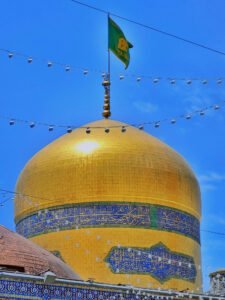
- Attractions
- Great Museum of Khorasan
The Great Museum of Khorasan is a regional museum dedicated to the deep, layered story of northeastern Iran, bringing together archaeology, art, and cultural heritage in a single, thoughtfully curated space. It is often introduced as a gateway to Khorasan’s long timeline—where ancient trade routes, dynastic capitals, and living traditions meet—and it helps visitors connect what they see in nearby historic sites with the objects and narratives that shaped them.
Set within an urban cultural precinct, the museum feels like a calm pause from the city: a place designed for slow looking and context. Galleries typically move from earlier periods through later Islamic eras, offering a sense of continuity rather than isolated highlights. The building itself is part of the experience, balancing modern museum standards with a visual language that complements the region’s architectural heritage.
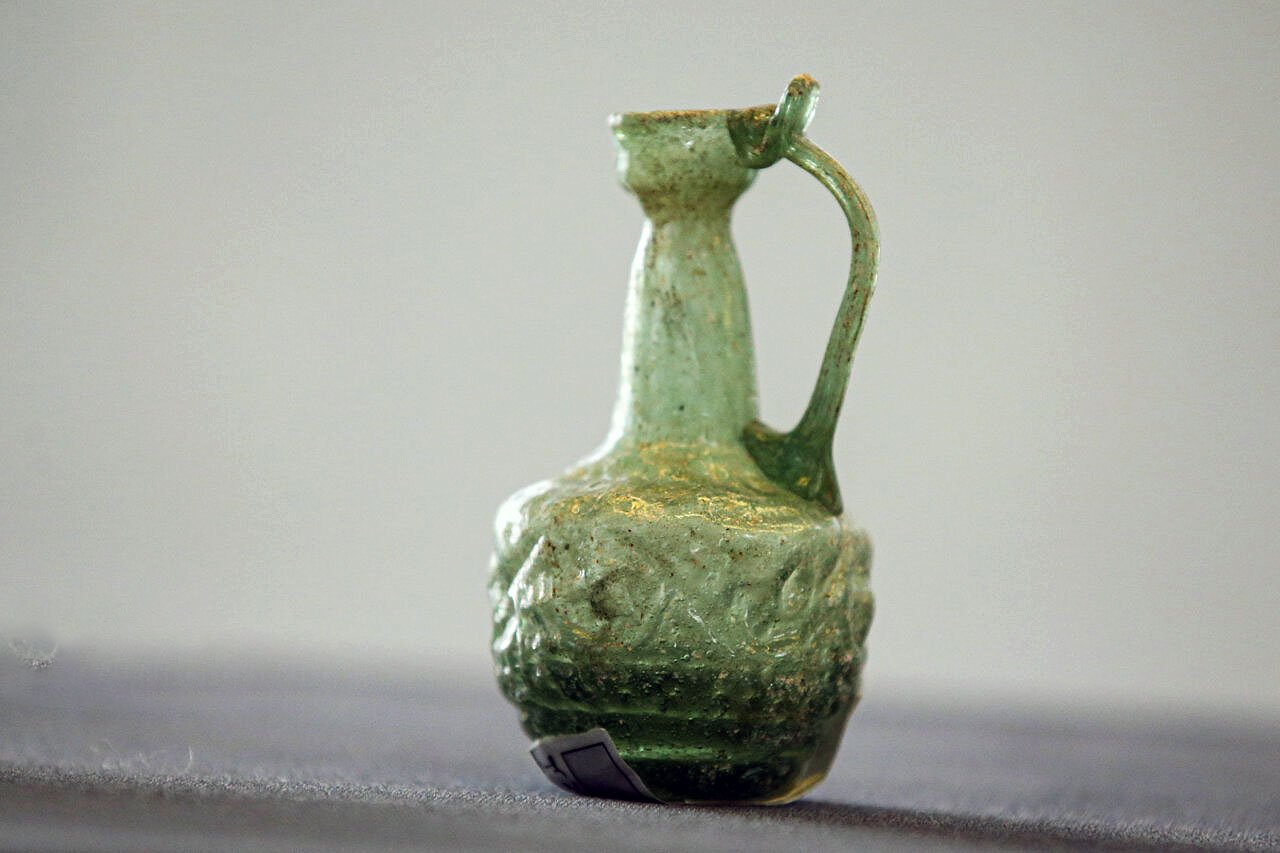
What gives the museum its weight is Khorasan’s historic role as a crossroads of ideas, languages, and craftsmanship. Visitors usually notice the breadth of materials—stone, metal, ceramics, inscriptions, and decorative arts—and how small details reveal big stories: motifs that travel across centuries, scripts that mark shifts in power and belief, and everyday items that make the past feel immediate. Many leave with a clearer understanding of why Khorasan is so central to Iran’s cultural memory, and how its influence radiated far beyond its borders.
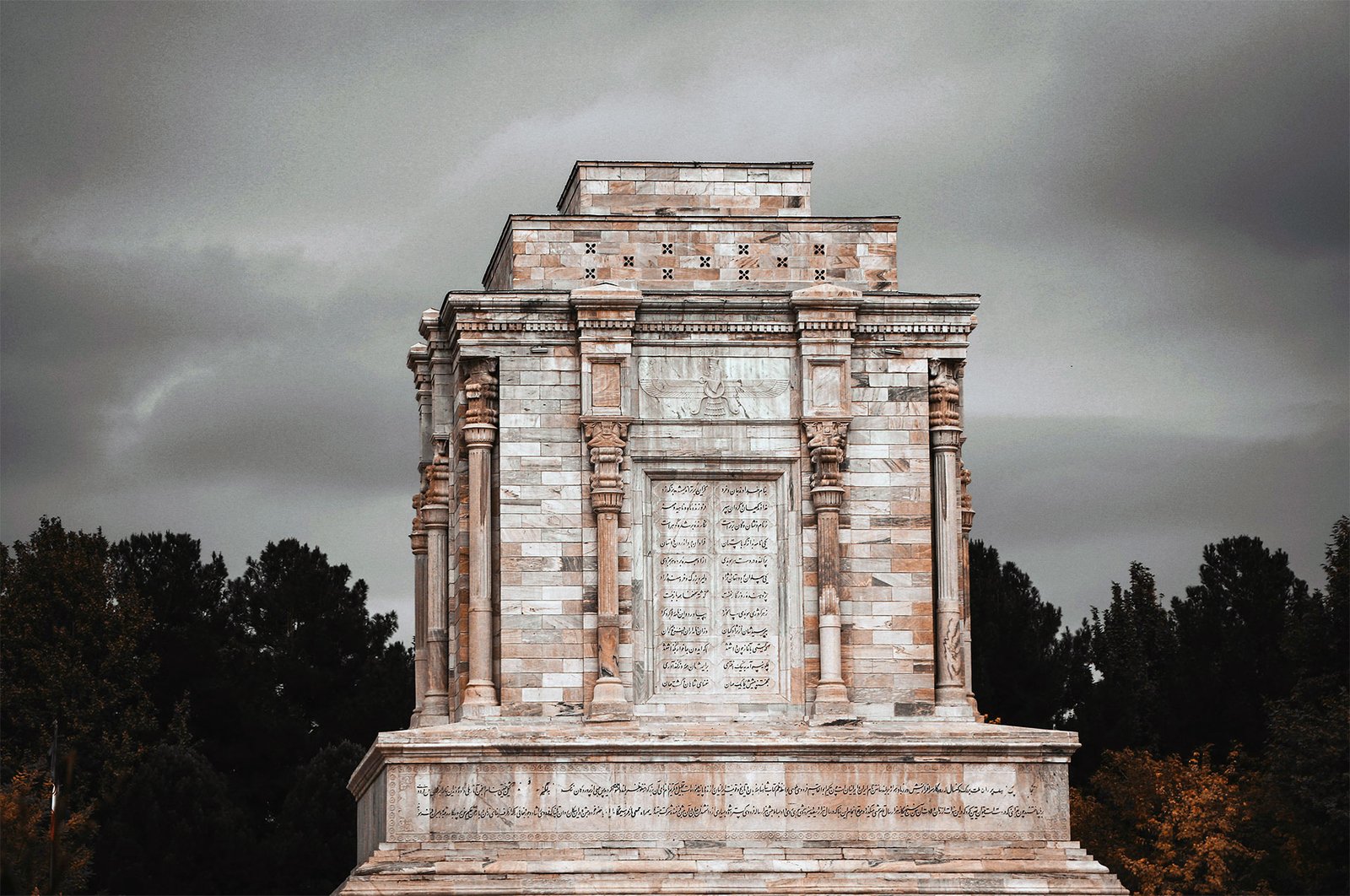
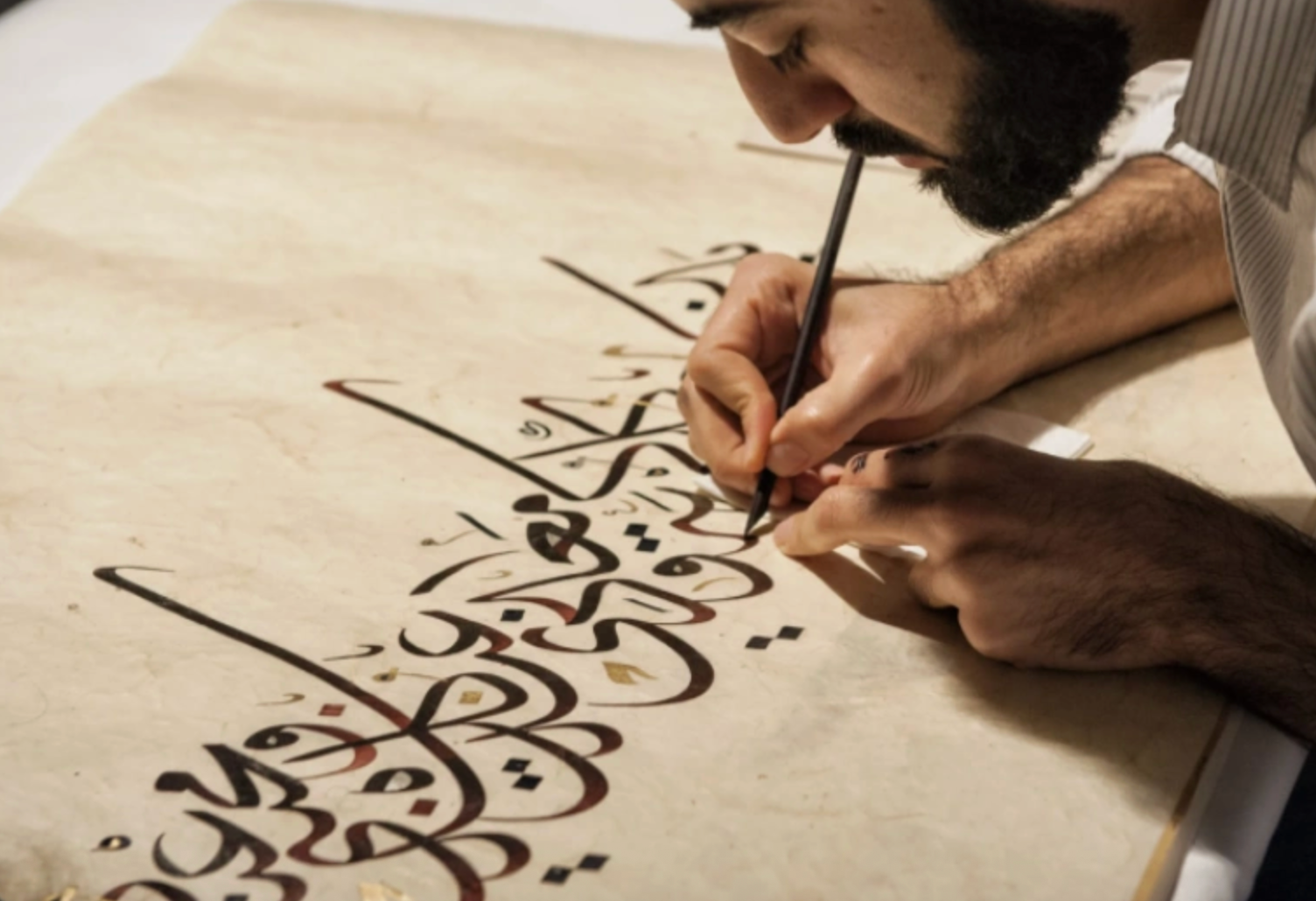


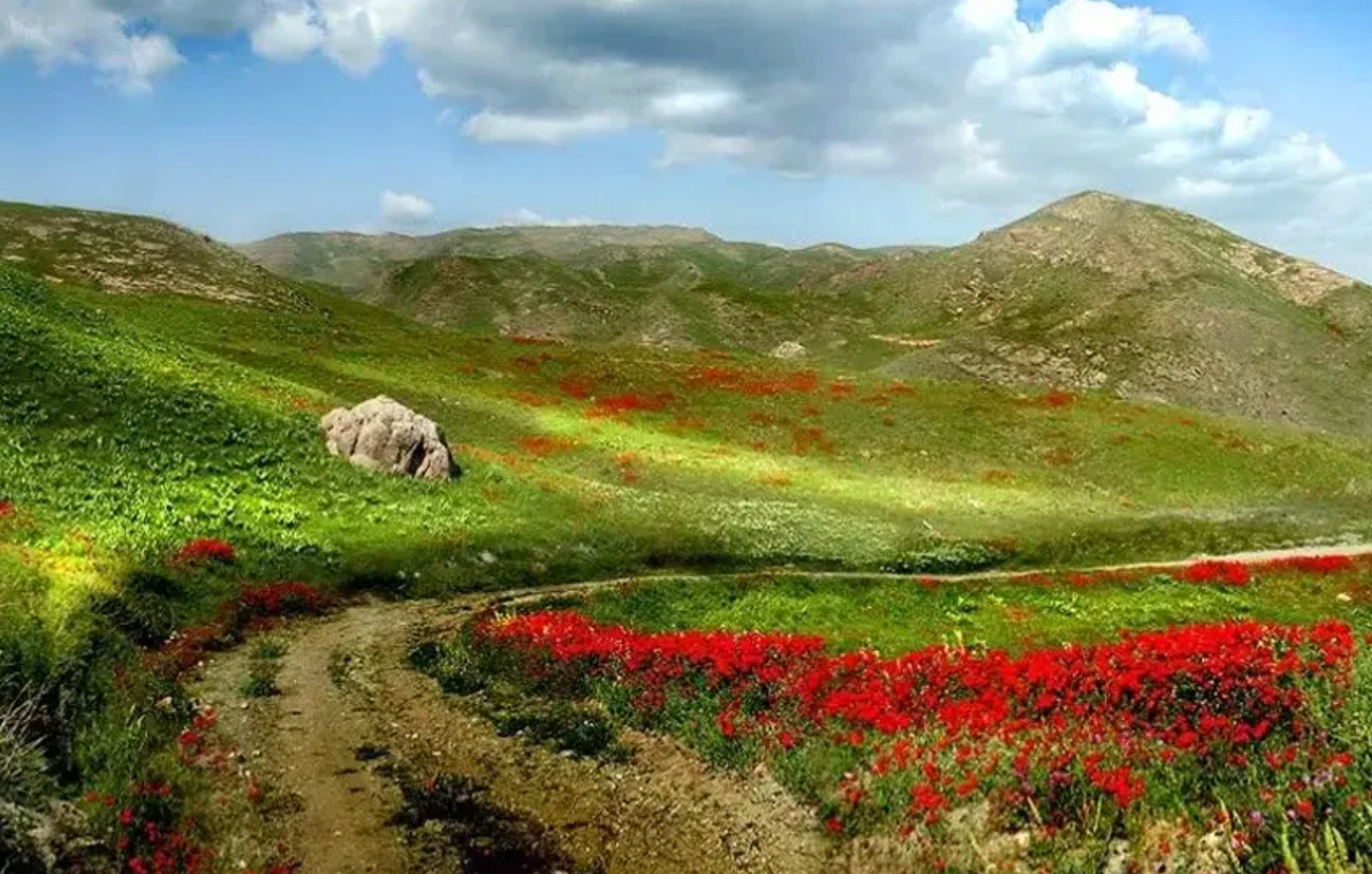
A Glimpse Into Great Museum of Khorasan
See Great Museum of Khorasan Through Moments
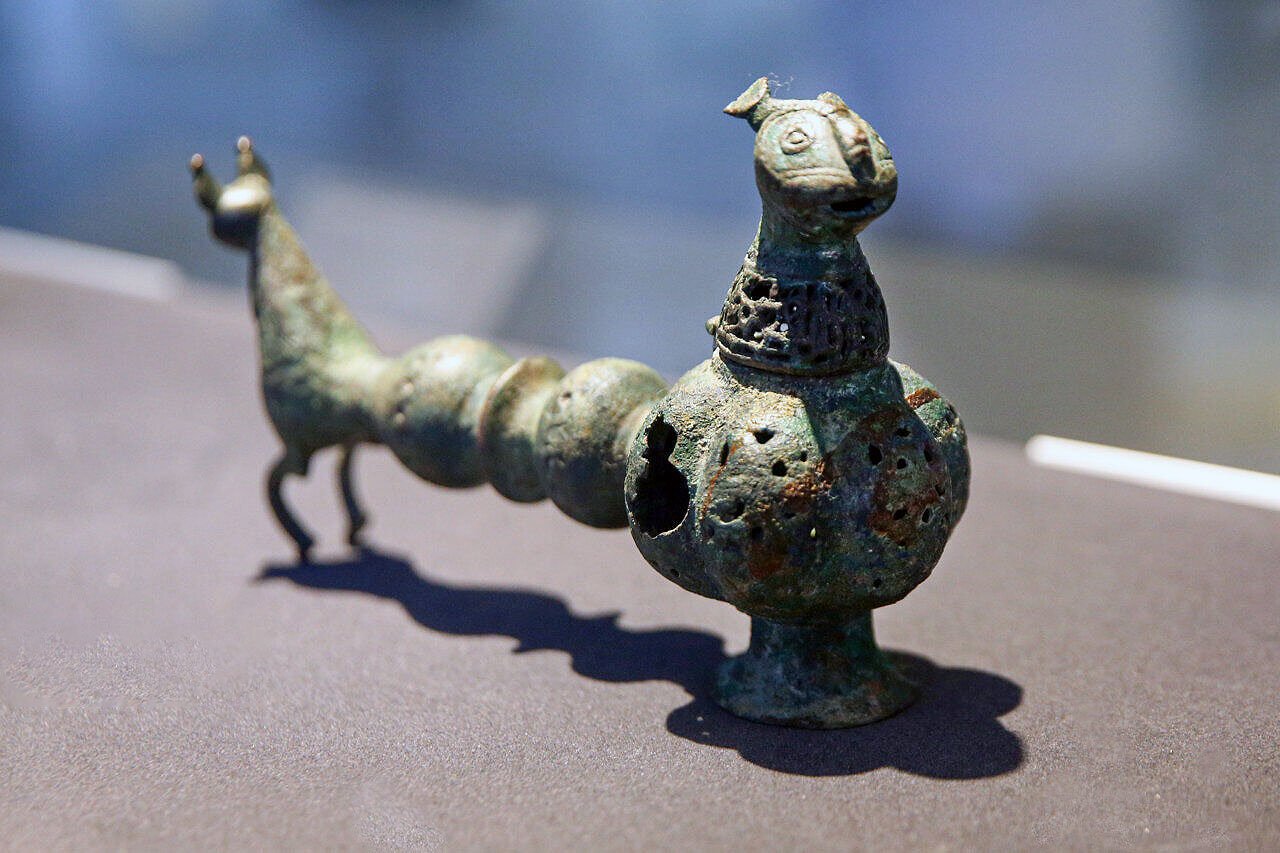
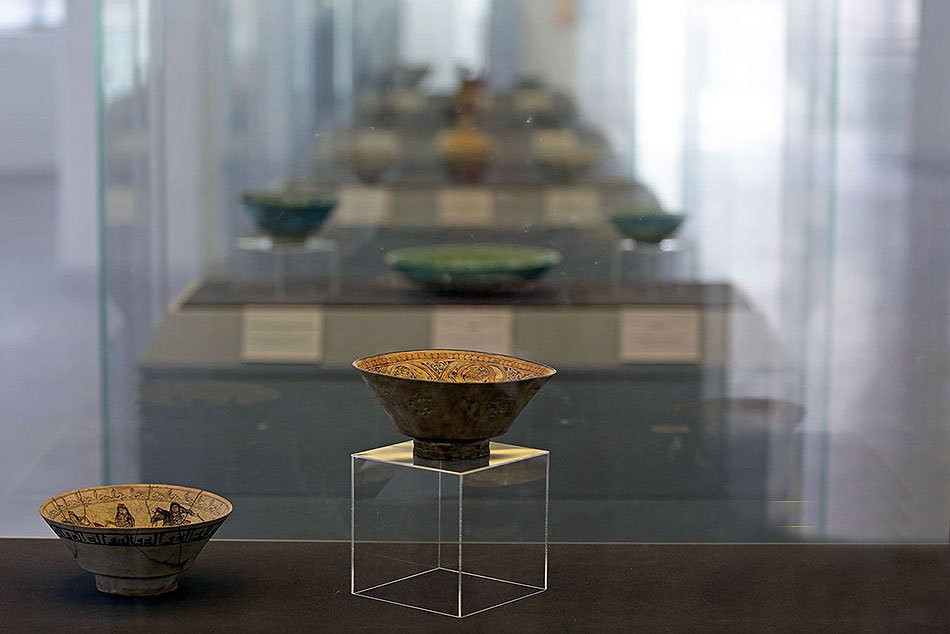
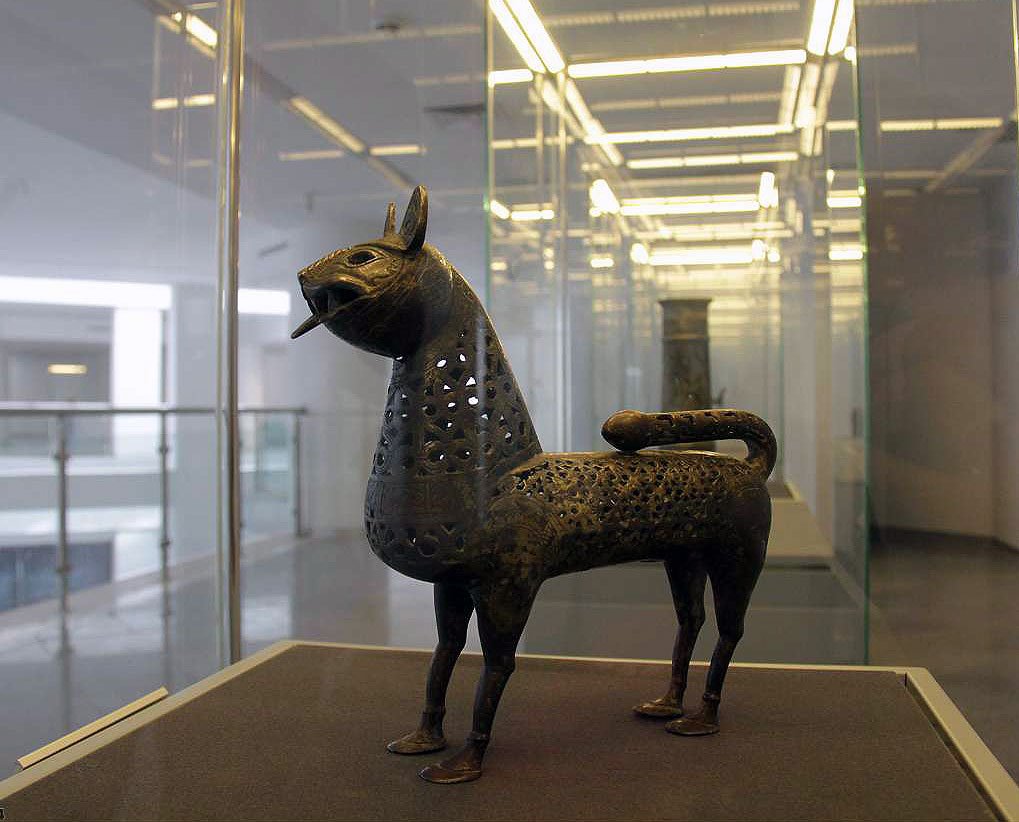
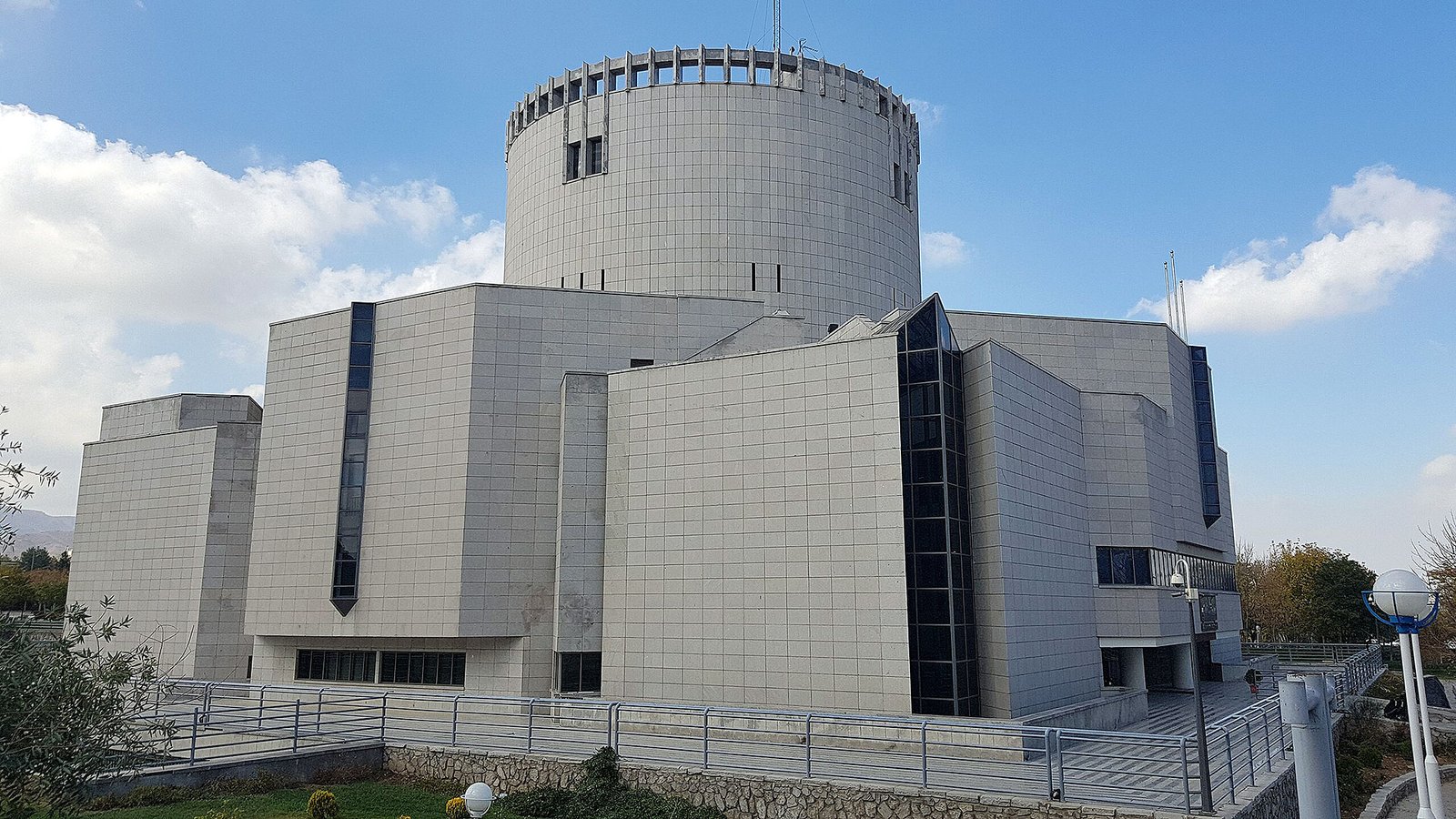
Visitor Information
Essential Information for Visiting Great Museum of Khorasan
Signature Tours including Great Museum of Khorasan
We Believe Your Journey Through Great Museum of Khorasan Should Be Personal.
No results found.
Frequently Asked Questions about Great Museum of Khorasan and Nearby Attractions
Mashhad’s Great Museum of Khorasan rewards a “highlights-first” approach, especially if you’re fitting it around other city sights. Start by scanning the main exhibition areas for the most distinctive regional artifacts—pieces tied to Greater Khorasan’s long history tend to give the clearest sense of place.
If you enjoy visual storytelling, prioritize galleries with well-labeled objects and curated sequences (often the most engaging for first-time visitors). Look for standout items such as ceremonial objects, everyday tools, and craftwork that show how life, trade, and belief evolved across the region.
For a smoother visit, walk the museum in one direction rather than bouncing between floors or wings; it helps you follow the timeline and reduces backtracking. Photography policies and gallery access can vary by exhibit, so check signage or ask staff before taking close-up shots or using flash.
In Mashhad, the Imam Reza Shrine is an active religious site and one of the city’s most important places of worship. Plan your visit with a respectful mindset and allow extra time, as entry routes and crowd levels can vary by day and season.
Dress modestly and follow on-site guidance closely. Some areas may have separate entrances or sections by gender, and you may be asked to use provided coverings; it’s best to comply without debate. Keep your voice low, avoid intrusive photography, and don’t photograph people at prayer without clear permission.
For a smoother experience, carry only essentials and be prepared for security checks. Large bags may be restricted or require storage, and rules around cameras, tripods, and phones can change—ask staff or look for posted signs. If you’re unsure where visitors may go, start at the main courtyards, observe the flow, and follow the directions of volunteers or guards.
If you’re visiting at peak times (holidays, evenings, or weekends), arrive earlier than you think you need. Practical details like access points and visiting times can shift, so confirm locally with your accommodation or official signage on arrival.
Mashhad is a pilgrimage city, and respectful etiquette at religious sites is taken seriously, even for first-time visitors. Planning your clothing and on-site behavior in advance helps you feel comfortable and avoids awkward moments at entrances or security checks.
Aim for modest, non-revealing clothing: long sleeves, long trousers or skirts, and muted outfits that don’t draw attention. Women are generally expected to cover their hair with a scarf; many major shrines and religious complexes provide or rent chadors near entrances, but availability and procedures can vary, so it’s wise to bring your own scarf just in case.
Inside, keep your voice low, move calmly with the flow of worshippers, and follow posted signs about where to stand, sit, or queue. Photography rules can differ by courtyard and interior area—when in doubt, don’t film, and ask staff or look for signage. If you’re unsure about which entrance to use or which section is appropriate for visitors, ask a volunteer guide or attendant; they’re often accustomed to helping non-local travelers.
In Mashhad, the Imam Reza Shrine is both a major religious site and a large, multi-entrance complex, so a little planning makes your visit calmer and more respectful. Aim to arrive with extra time for security checks and orientation, especially around prayer times, weekends, and religious holidays when crowds can be heavier.
Choose a clear meeting point if you’re traveling with others, as courtyards and corridors can look similar and phone signals may be inconsistent in dense areas. Keep valuables minimal and easy to secure, and carry only what you need—bags may be screened, and some items can be restricted inside certain sections.
If you want a quieter experience for contemplation or photography of architecture (where permitted), consider visiting outside peak periods and follow posted signs about where cameras are allowed. For guidance on permitted areas, visitor flow, or facilities like restrooms and water points, ask on-site staff or information desks; procedures can change, so it’s wise to confirm locally on the day.
In Mashhad, the Imam Reza Shrine complex is vast and can feel maze-like on a first visit, especially around peak prayer times. A simple plan—choosing one main entrance, one meeting point, and one exit—will save you time and stress.
Start by identifying the courtyard (sahn) or landmark you’ll use as your anchor, then take a photo of the nearest gate name/signage so you can retrace your route. If you’re visiting with a group, agree on a fixed rendezvous spot outside the busiest flow areas; crowds can make phone reception and visibility unreliable.
Expect separate entrances or screening lanes in some areas, and be prepared for brief bag checks. To reduce delays, carry fewer loose items and keep essentials easy to reach; if you have religious items or gifts, pack them neatly so they’re quick to inspect.
Inside, move with the direction of foot traffic and avoid stopping in narrow passageways. If you’re unsure where a corridor leads, ask a staff member or volunteer guide on-site; they’re often stationed near major gates, and local advice beats guessing.
In Mashhad, the Imam Reza Shrine is a major religious site and can feel very different depending on when you arrive. For a calmer experience, many travelers aim for earlier daytime visits, when courtyards and corridors often feel easier to navigate and you can orient yourself without pressure.
Evenings—especially around prayer times and on weekends or religious occasions—tend to draw larger local crowds and a more intense devotional atmosphere. That can be deeply meaningful, but it may also mean slower movement, longer waits at entrances, and less space to pause.
If you want both clarity and atmosphere, consider a two-part plan: a daytime visit to learn the layout (courtyards, entrances, facilities), then a shorter evening return for the ambience. Conditions can change quickly during holidays and special commemorations, so it’s wise to confirm on-site signage and follow staff guidance.
In Mashhad, the most reliable way to arrange a guide—especially if you plan to visit religious sites like the Imam Reza Shrine district—is to book through your hotel concierge or a well-established local travel agency. These channels tend to be easier to verify, and they can match you with a guide who understands respectful routing, crowd dynamics, and language needs.
Before confirming, ask what the tour specifically includes: walking vs. vehicle time, whether the guide can help with orientation around major courtyards and nearby bazaars, and what level of religious-site etiquette guidance they provide. It’s also reasonable to request a clear meeting point, a written itinerary, and the guide’s ID or agency details.
If you’re approached by freelance guides near busy areas, treat it as a screening opportunity rather than an automatic “no.” Agree on the scope (hours, stops, language) upfront, avoid handing over passports or original documents, and consider paying in stages for longer services. For any special access claims or “guaranteed” entry promises, assume these are not reliable and confirm locally with official staff or your accommodation.