

Discover the Treasures of Iran
Golestan Palace
Qajar masterpiece of Persian art in Mirrors and Marble
- Attractions
- Golestan Palace
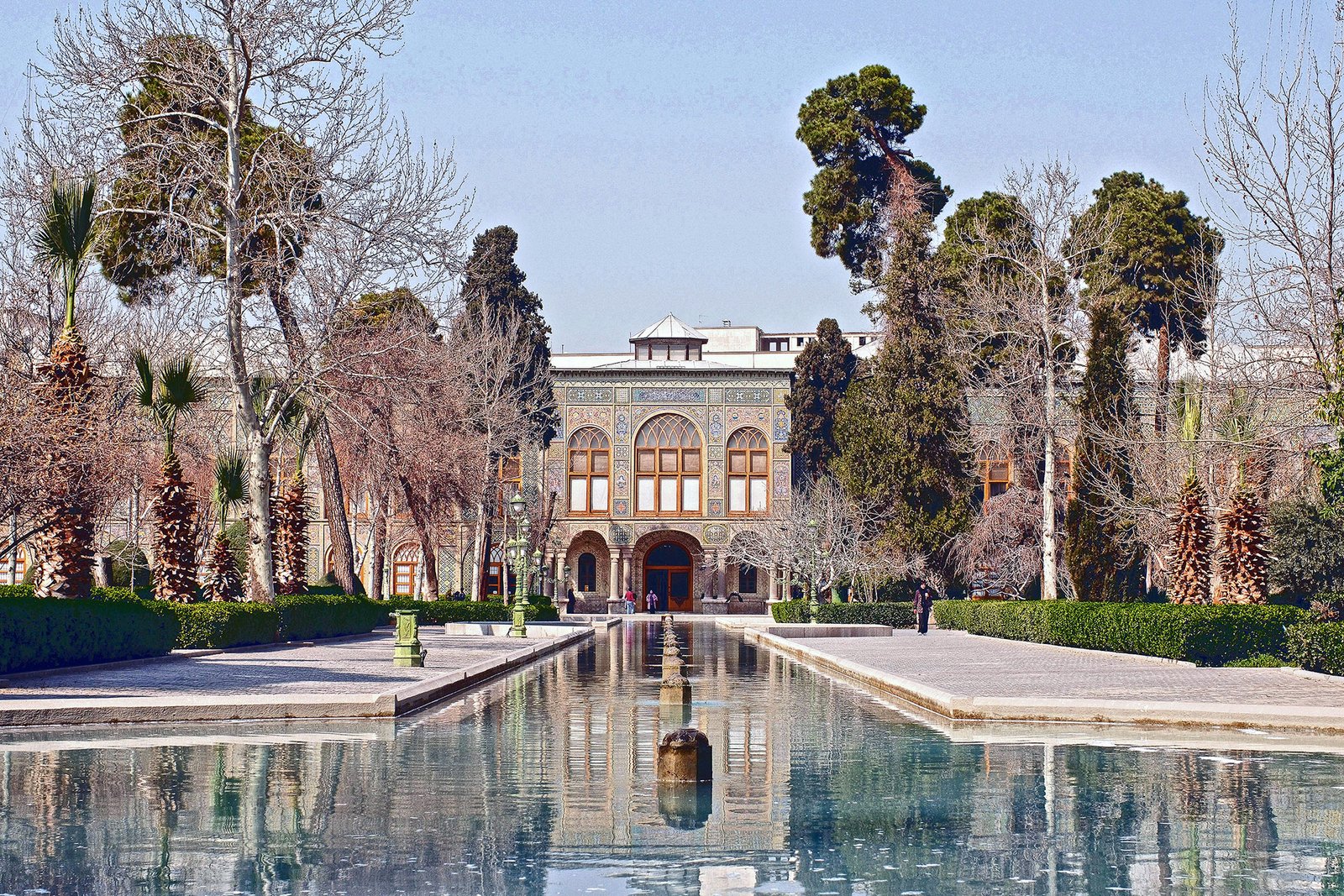
Golestan Palace is one of Tehran’s most celebrated royal complexes, a UNESCO-listed ensemble of courtyards, halls, and gardens that preserves the ceremonial heart of the Qajar era. Rather than a single building, it unfolds as a sequence of spaces where architecture, landscape, and courtly art were designed to impress—then and now.
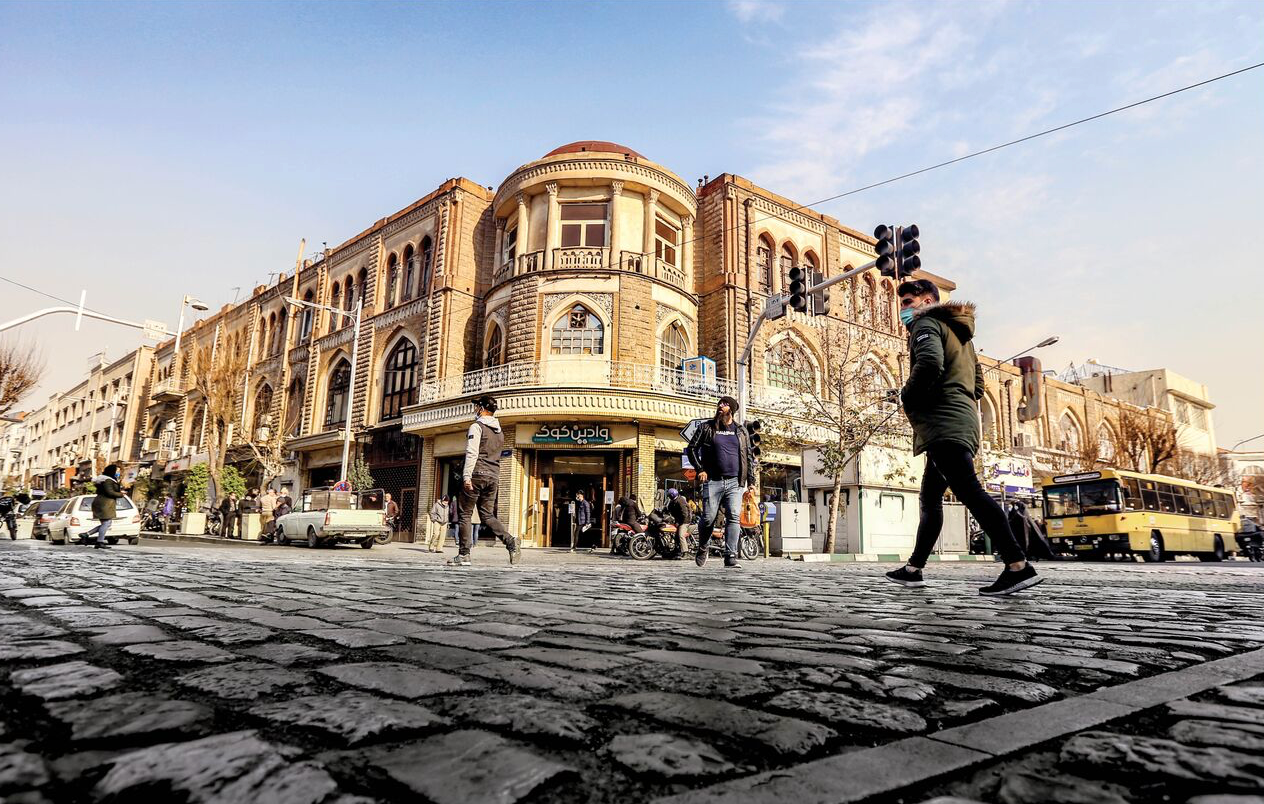
Set in the historic core of Tehran, the palace sits amid the city’s older bazaar district, where modern streets still echo the rhythms of commerce and tradition. Behind its gates, the atmosphere shifts: tiled façades, shaded garden paths, and reflective pools create a calmer world that feels distinct from the surrounding urban energy.
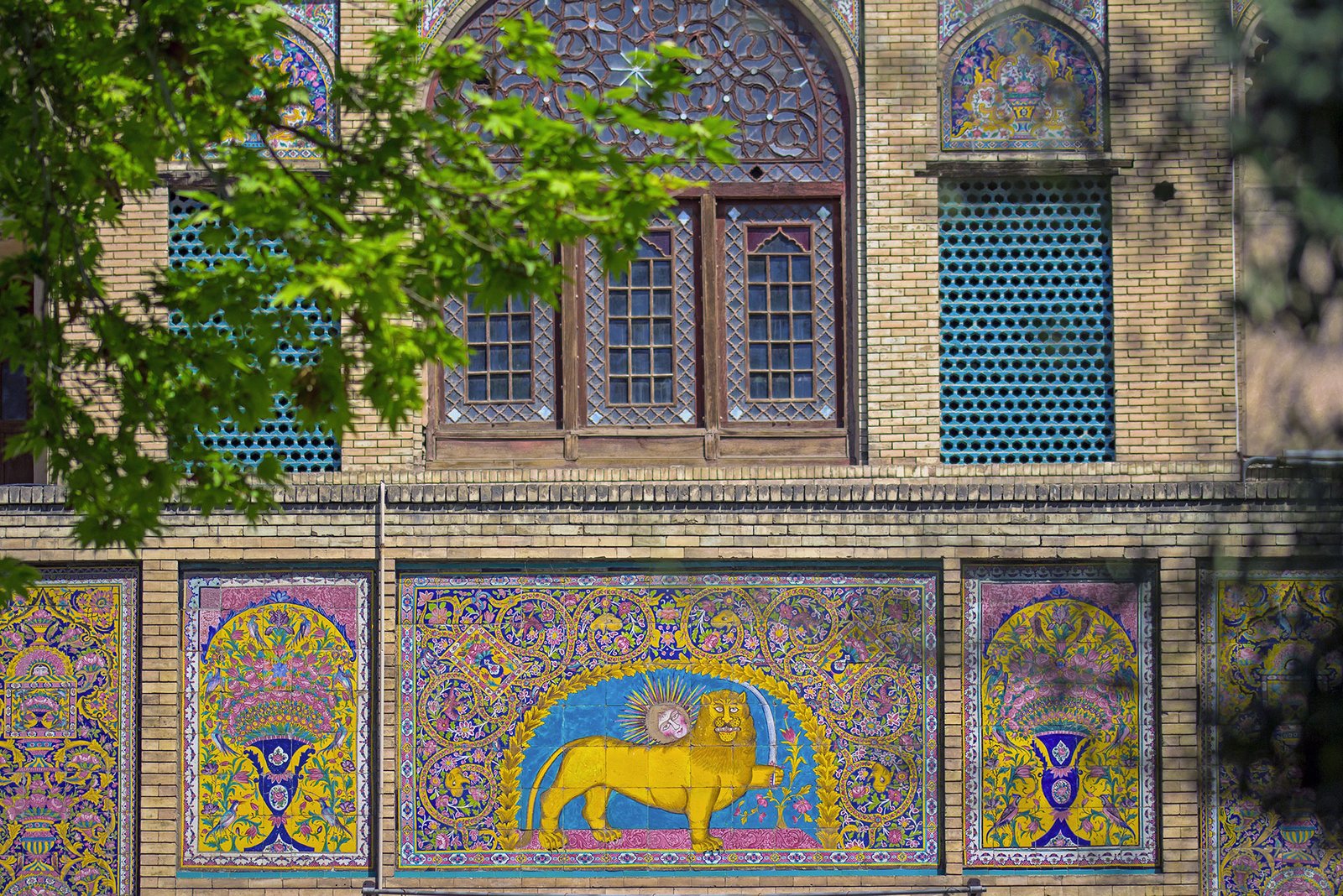
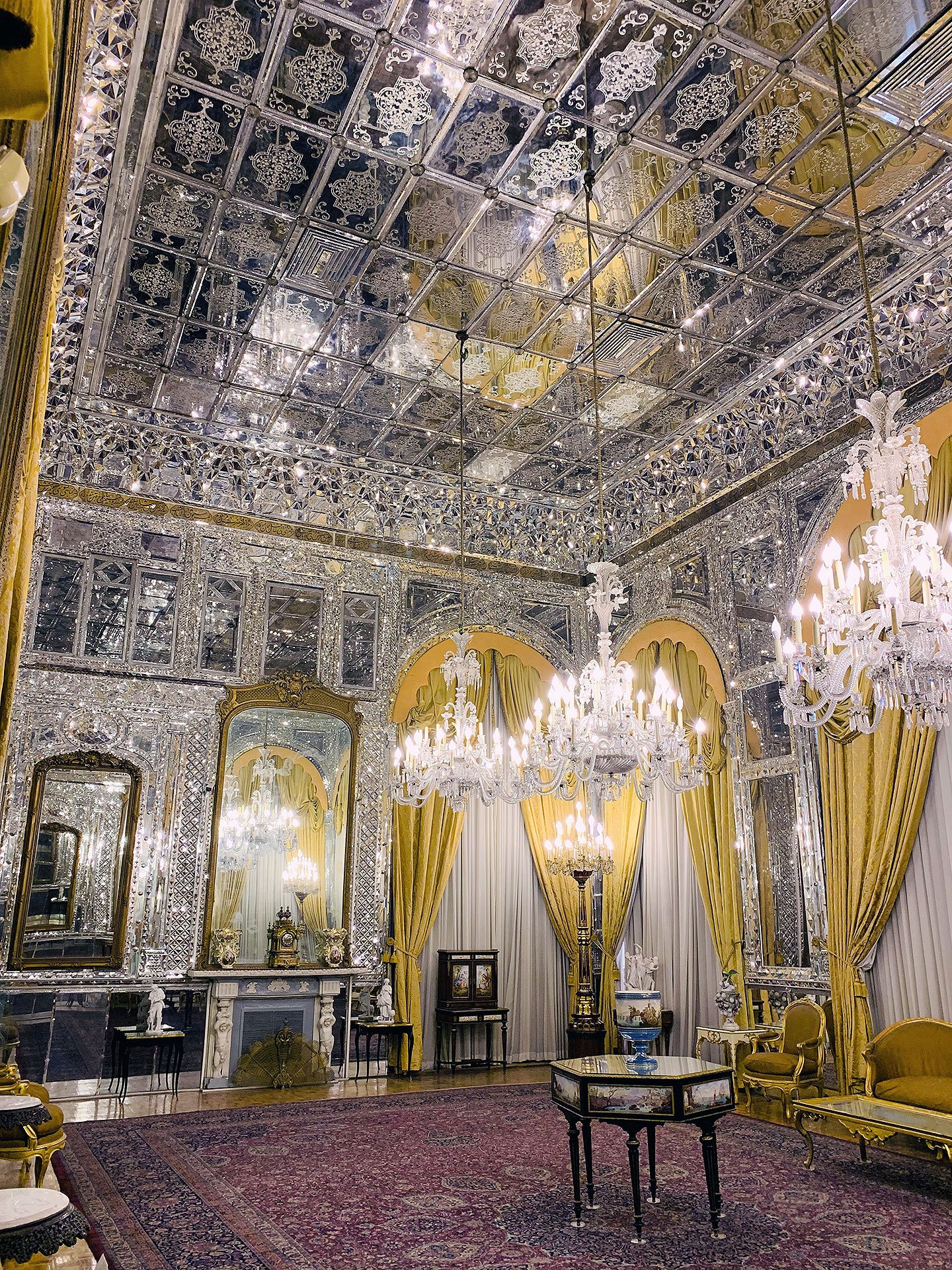
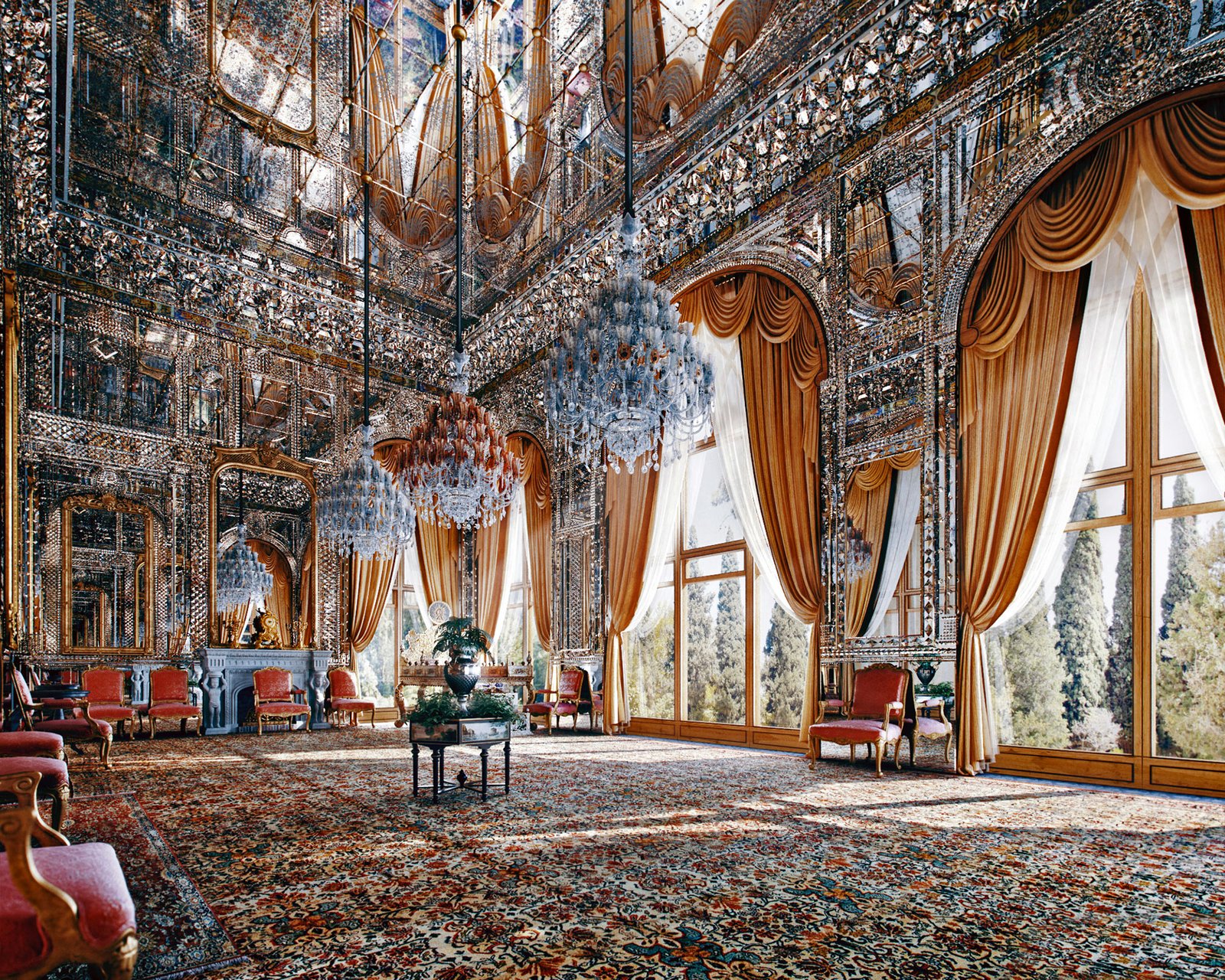
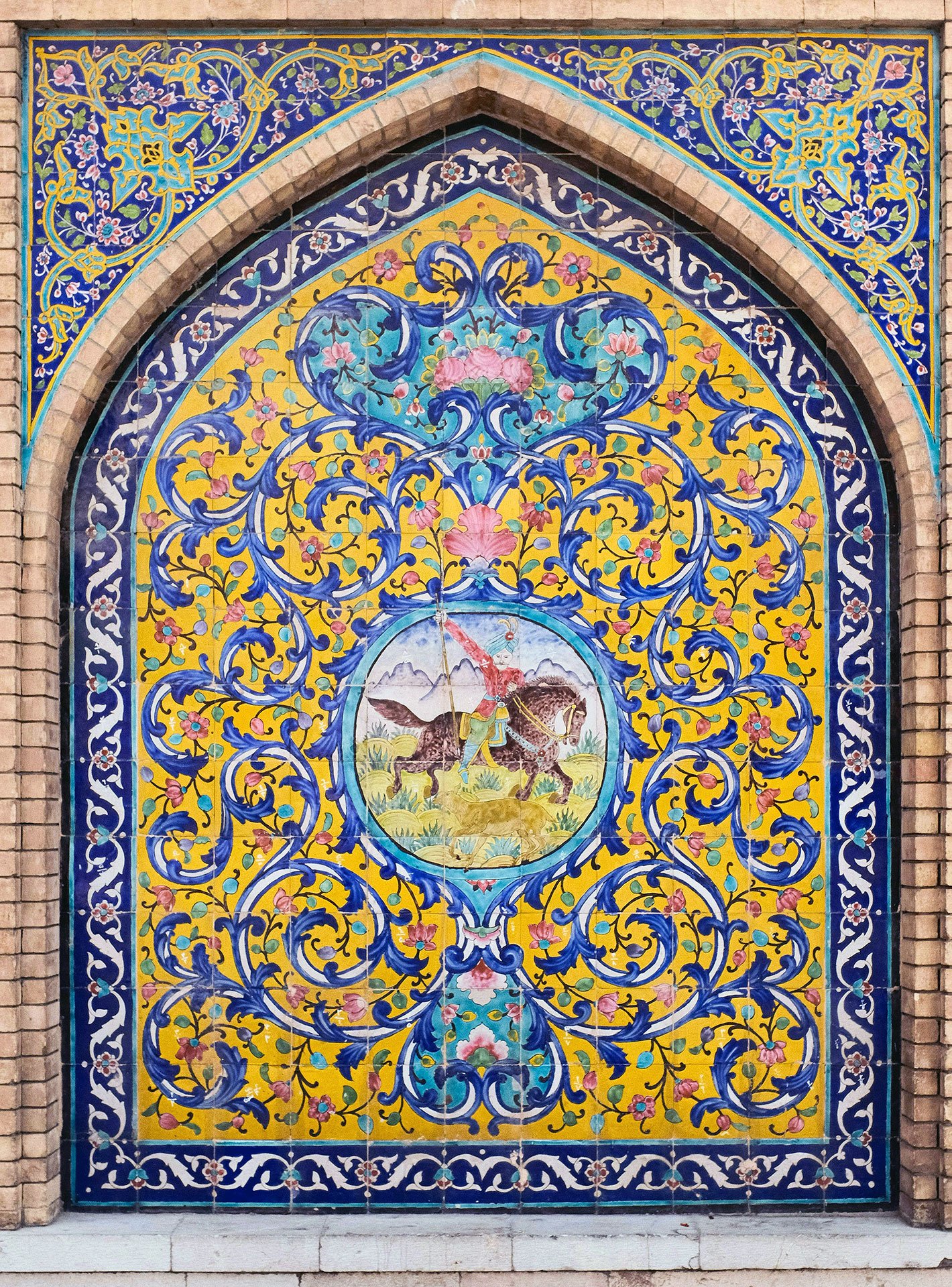
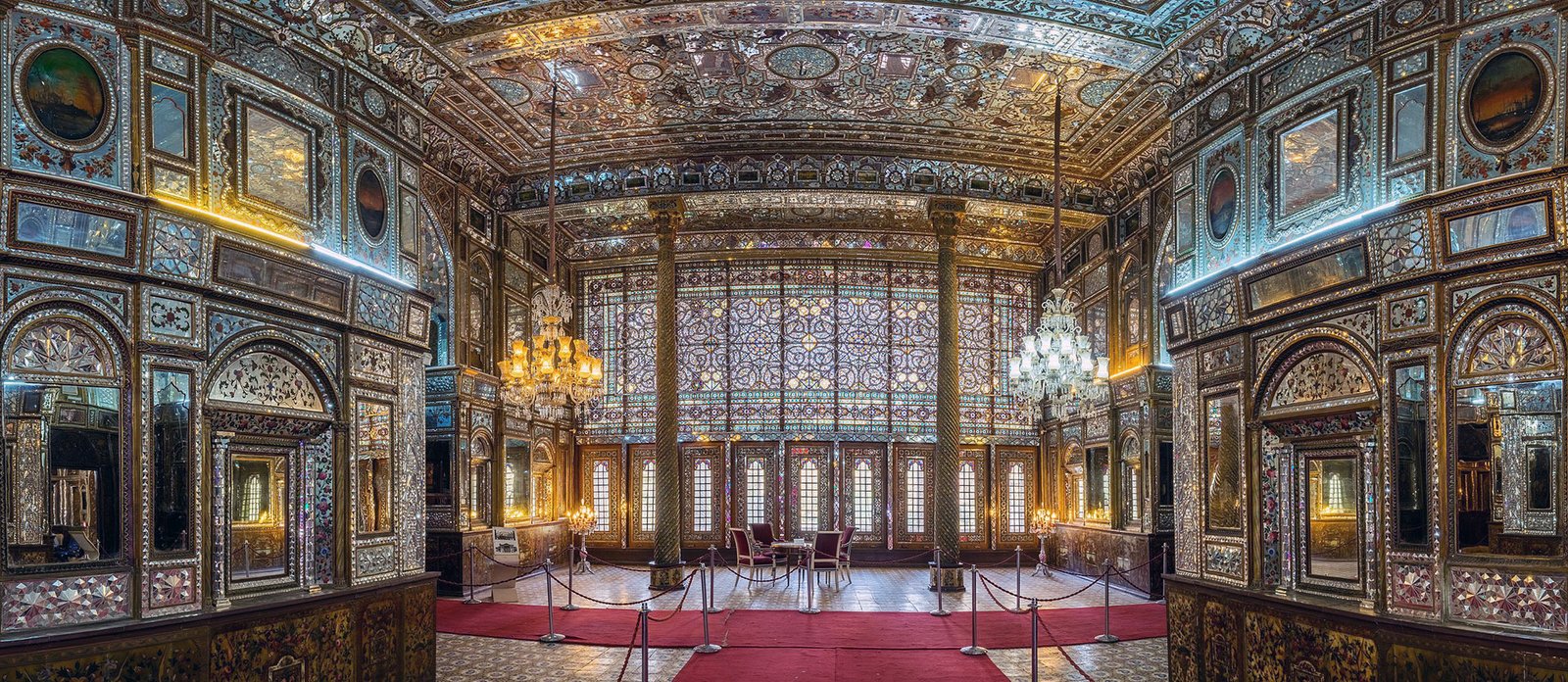
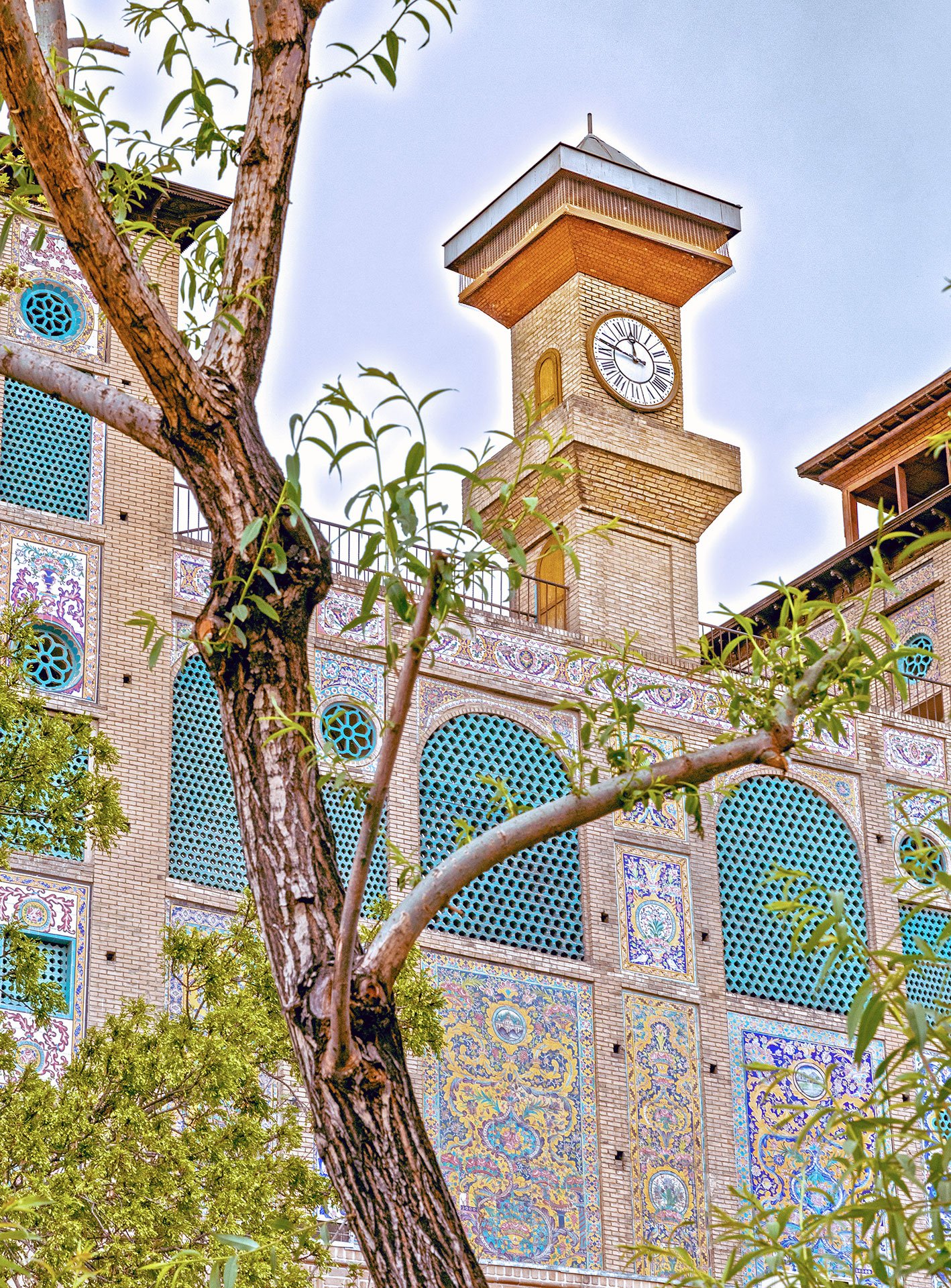
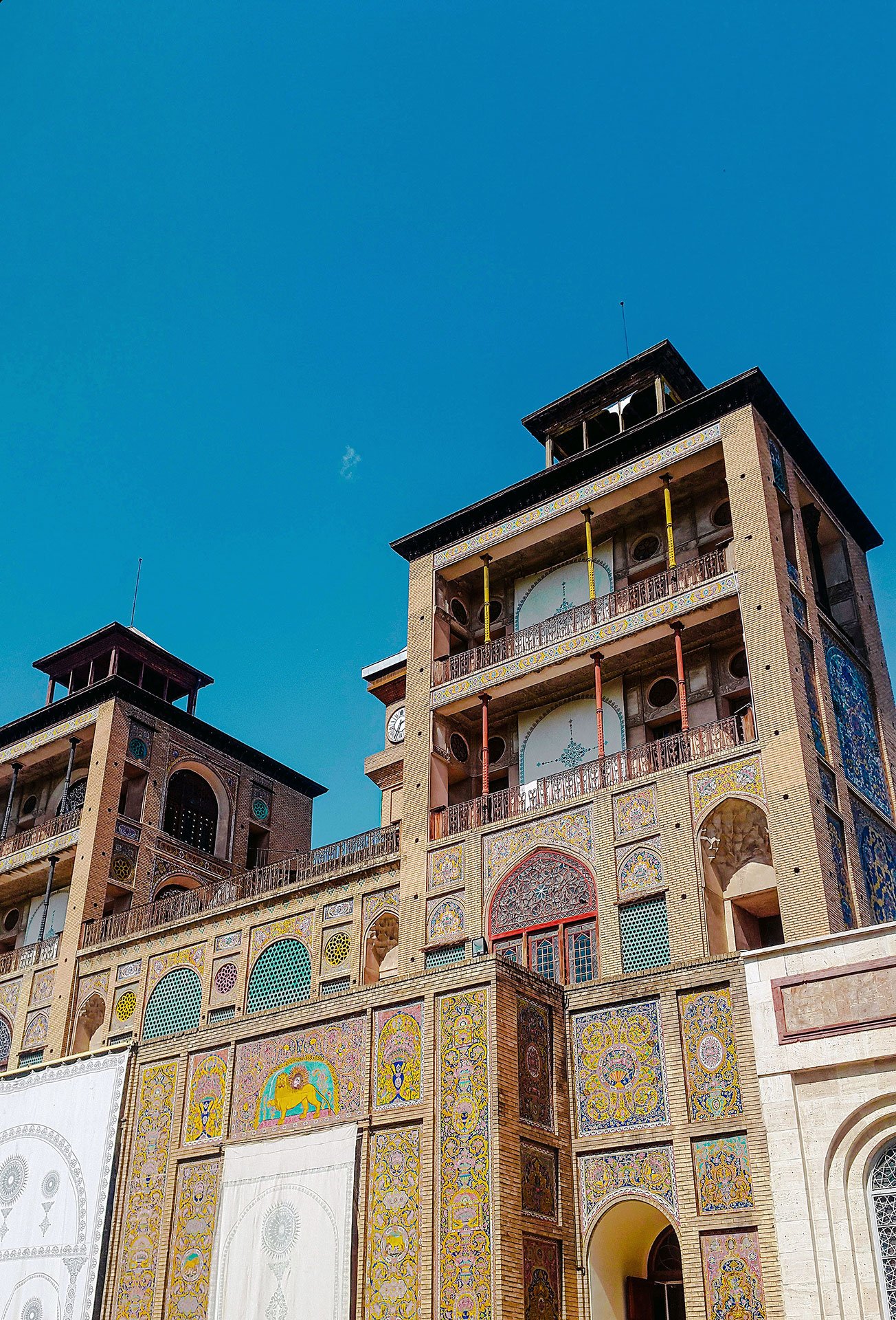
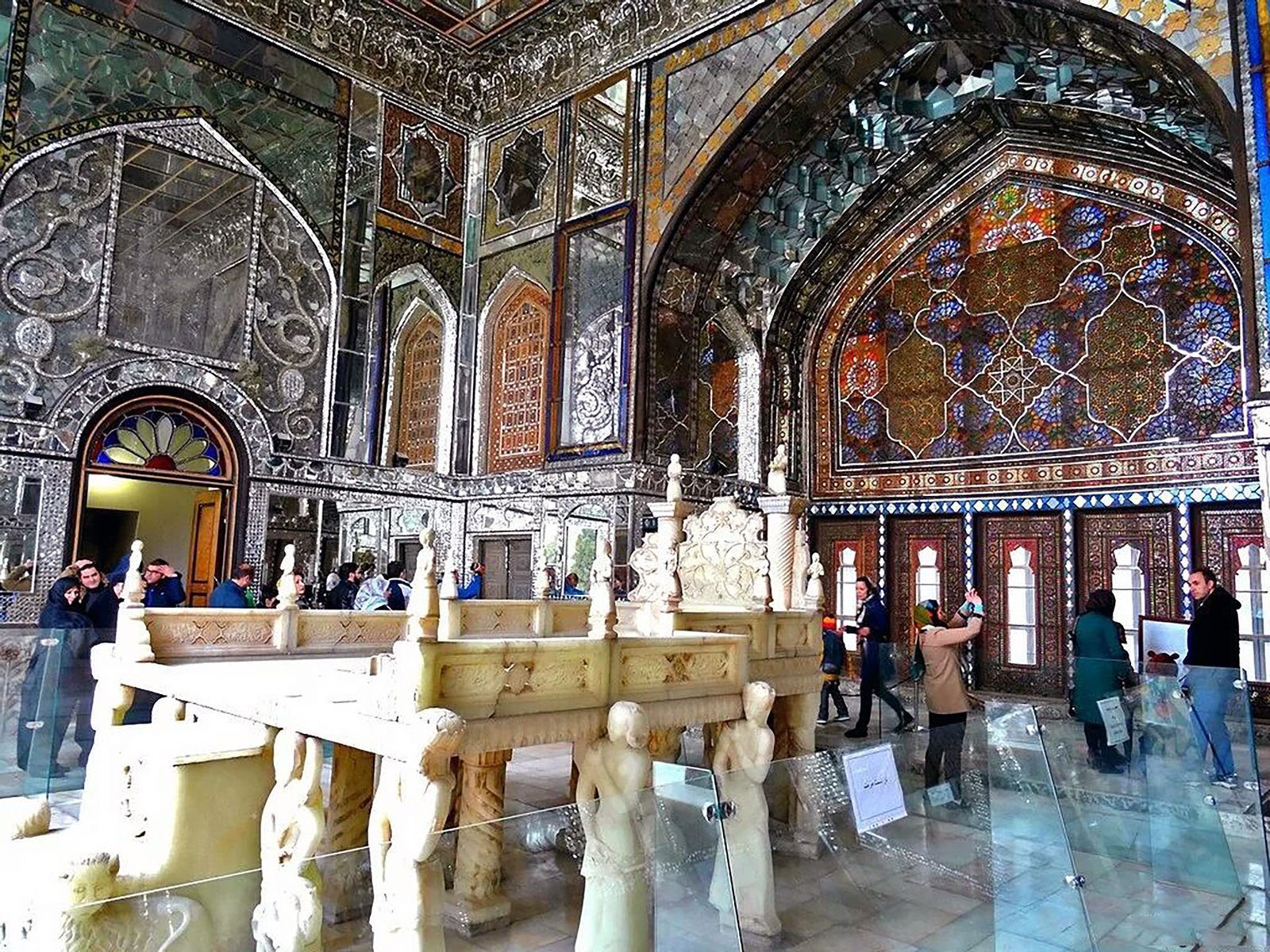
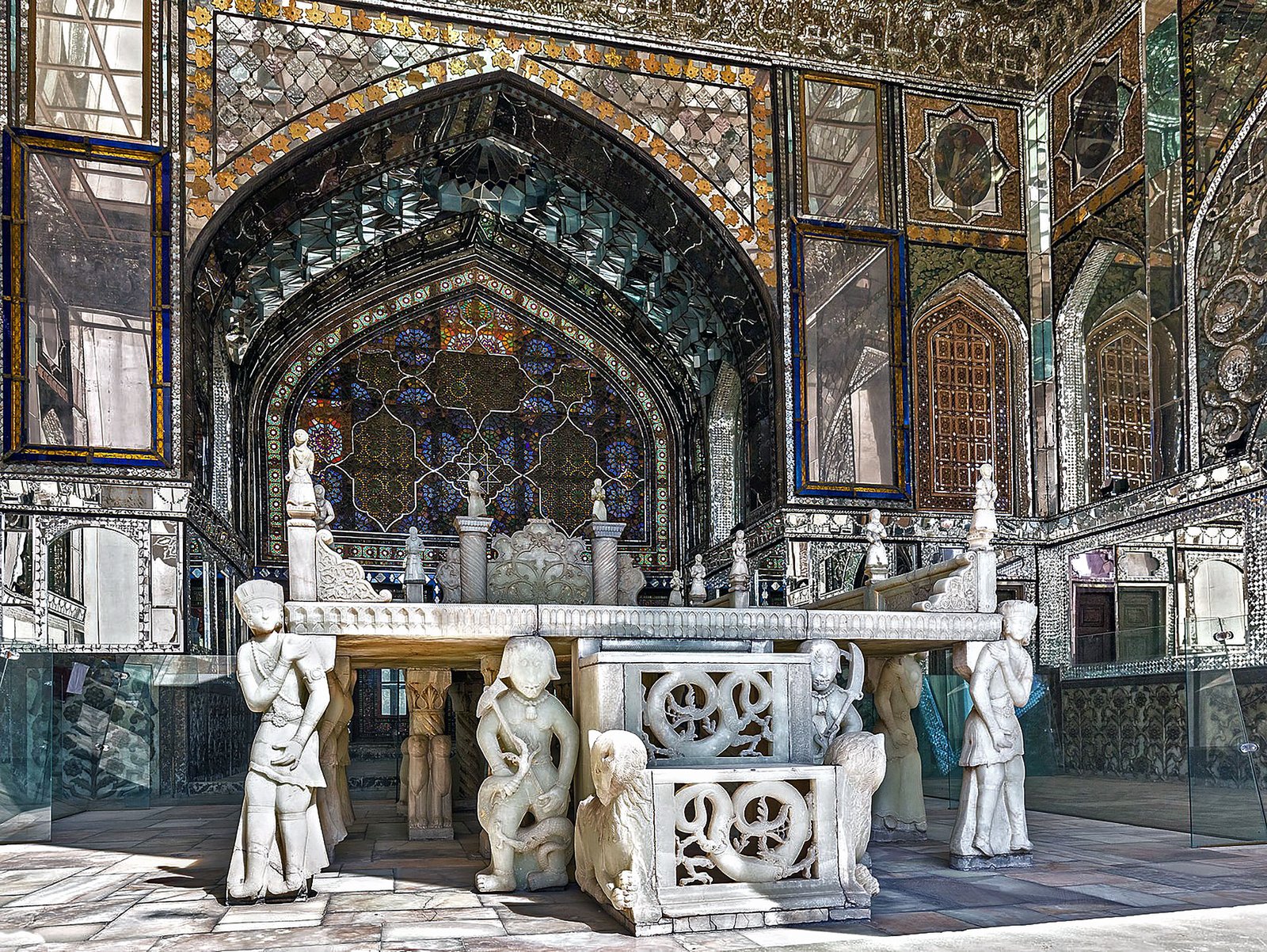
Culturally, Golestan is a key place to understand how Iran’s rulers negotiated identity and modernity. Qajar patrons blended Persian craftsmanship with influences encountered through diplomacy and travel, leaving behind a richly layered visual language. Visitors typically notice the luminous mirrorwork, vivid painted and mosaic tile panels, and the careful choreography of views—balconies, porticos, and windows framing gardens and city skyline. Many also linger over the palace’s museum collections, where objects and interiors together reveal the tastes, ceremonies, and ambitions of a pivotal chapter in Iran’s history.
A Glimpse Into Golestan Palace
See Golestan Palace Through Moments
Visitor Information
Essential Information for Visiting Golestan Palace
Signature Tours including Golestan Palace
We Believe Your Journey Through Golestan Palace Should Be Personal.
Frequently Asked Questions about Golestan Palace and Nearby Attractions
At Golestan Palace, the most relaxed experience is usually earlier in the day, before larger tour groups and school visits build up. If you can, aim to arrive close to opening time and start with the outdoor courtyards to enjoy the tilework and gardens with fewer people.
Midday can feel busier, especially around the most photographed palace buildings and museum entrances. If you find crowds, shift your pace: spend that time in smaller rooms and galleries, then return to the courtyards when foot traffic thins out.
Season and local holidays also make a difference. Weekdays often feel calmer than weekends, but patterns can change around festivals or national events—so it’s smart to ask staff at the gate what they’re expecting that day.
For the best light on façades and courtyard details, late afternoon can be rewarding, though it may depend on the season and when the complex stops admitting visitors. If timing matters, confirm the day’s opening and last-entry times on-site or via the official channels before you go.
Golestan Palace in Tehran can be rewarding for families and many seniors, but it’s best approached with realistic expectations about walking, steps, and uneven surfaces typical of historic palaces.
Most visits involve moving between multiple buildings and courtyards, with occasional stairs and thresholds. If someone in your group has limited mobility, plan a slower pace and prioritize a smaller set of spaces rather than trying to see everything. Staff on-site can often point you toward the most accessible routes, though access may vary by section.
For families, the palace’s courtyards, tilework, and mirror halls tend to keep kids engaged, especially if you treat the visit like a short “treasure hunt” for patterns and colors. Bring water and a small snack for children, and consider taking breaks in the open-air areas between interior rooms.
If you rely on a wheelchair or stroller, confirm accessibility at the entrance before purchasing tickets, as temporary closures, maintenance, or crowd control can affect routes. Arriving earlier in the day often helps you move more comfortably, but it’s wise to verify current conditions locally.
At Golestan Palace, photography rules can vary by section, especially inside museum rooms and richly decorated halls. You may find that courtyard photos are generally easier, while certain interiors restrict cameras, tripods, or flash to protect fragile surfaces and artworks.
Plan for mixed conditions: keep a phone or small camera ready, but don’t rely on being able to shoot everywhere. If you’re carrying a larger camera, ask staff at the entrance of each building before photographing, and look for posted signs—policies sometimes differ from one hall to the next.
To avoid delays, keep your gear minimal and easy to stow, and assume flash is discouraged even where photos are permitted. If you want professional-style images (tripods, lighting, posed shoots), it’s wise to check locally about permits or special arrangements, as these may require prior approval.
At Golestan Palace, entry is typically managed through a main gate and separate ticketing for different palace sections. On busy days, the simplest way to avoid delays is to arrive earlier in the day and decide upfront which halls or museums you most want to see, since you may need to queue more than once.
Bring a payment method that works locally and keep small items (ID, cash/card, phone) easy to access for ticket checks. Security screening is common at major attractions, so pack light and avoid carrying anything that could be restricted (large tripods, sharp objects, or bulky bags), as rules can vary.
If you’re visiting during a holiday period or peak season, consider asking at your hotel or a nearby tourist information desk whether timed entry, combined tickets, or same-day availability has changed. Staff at the entrance can usually clarify what each ticket includes and the best order to visit spaces based on crowd flow, but it’s wise to confirm current procedures on-site.
Golestan Palace is a compact complex, but it’s easy to overlook key rooms if you wander without context. For a first visit, prioritize the palace’s signature ceremonial spaces and museum-like sections that showcase Qajar-era art, architecture, and royal life.
Many travelers start with the most iconic interiors—look for richly mirrored halls, painted ceilings, and formal reception rooms that best represent the palace’s courtly style. If you’re interested in decorative arts, ask staff or check on-site signage for the sections focused on gifts, portraits, or historical objects, as these are often arranged like small museums.
If parts of the complex are ticketed separately, decide what matches your interests (architecture, photography, or historical collections) rather than trying to see everything. Temporary closures and one-way routes can happen, so it’s smart to confirm the day’s accessible areas at the entrance and follow posted guidance to avoid backtracking.
In Tehran, Golestan Palace is best enjoyed with a simple plan: arrive earlier in the day, start with the main palace complex, then slow down for the details—tilework, mirror halls, and courtyard views. Give yourself time to pause; the experience is as much about architecture and atmosphere as it is about “seeing everything.”
If you’re short on time, prioritize the core ceremonial buildings and the main courtyards first, then add smaller museums or specialty rooms if they’re open and you still have energy. Some sections may require separate tickets or have limited access depending on conservation work or staffing, so it’s smart to confirm what’s included at the entrance.
Wear comfortable shoes for stone paths and stairs, and bring a light layer—indoor halls can feel cooler than the sunlit courtyards. Photography rules can vary by room, and tripods or flash may be restricted, so ask before you start shooting. For a calmer visit, avoid peak domestic holiday periods and consider a weekday if your schedule allows.
Tehran has several easy, city-based ways to get a Nature & Wildlife fix, especially along its greener northern edge. Start with Darband or Darakeh valley trails for a quick escape into mountain air, seasonal streams, and birdlife—go early on weekends to avoid crowds.
For a more park-focused outing, head to Jamshidieh Park for rocky paths and viewpoints, or Lavizan Forest Park for shaded walks and a calmer, local feel. If you want a longer, more “wild” day, plan a trip to the Tochal area; conditions can change quickly in the Alborz foothills, so check weather and trail status locally.
Practical tips: wear grippy shoes, bring layers, and carry water even for short hikes. Stick to marked paths, keep noise low for better wildlife spotting, and avoid feeding animals or leaving food scraps. If you’re going beyond popular paths, consider going with a local guide or experienced friend, and confirm access or any seasonal restrictions on arrival.
In Tehran, choosing the right neighborhood can save you hours in traffic and make it easier to fit museums, bazaars, and cafés into the same day. Start by deciding whether you want classic sights, modern shopping and dining, or a quieter residential feel.
For first-time sightseeing, many travelers prefer central areas with straightforward access to major landmarks and the Grand Bazaar. Staying near large metro interchanges can also make day trips across the city simpler, especially if you plan to visit multiple museums and palaces in different districts.
If you’re prioritizing restaurants, galleries, and a more contemporary vibe, look at northern or north-central neighborhoods where evenings tend to be livelier and streets more walkable. These areas can feel calmer and greener, but you may trade off longer travel times to older historic sites.
Before booking, check how your accommodation handles late arrivals, ID requirements, and payment methods, which can vary. It’s also wise to confirm the exact address in Persian (or a map pin) to avoid confusion with similarly named streets.
In Tehran, plan for a cash-first routine and treat card payments as a bonus rather than a certainty. Many everyday purchases (snacks, small shops, market stalls) are easiest with cash, while larger hotels and some modern businesses may be able to process payments.
Bring a mix of small and medium denominations so you can pay exact amounts in busy places like the Grand Bazaar or neighborhood cafés. For exchanging money, official exchange offices are typically the most straightforward option; ask your accommodation where reputable ones are nearby and keep receipts in case you need them.
Tipping in Tehran is generally modest and situational. Rounding up a fare, leaving a small amount for helpful service, or tipping hotel staff for assistance is usually appreciated, but it’s rarely handled with rigid rules—when in doubt, follow local cues and keep it discreet.
Before you go out for the day, set aside a “daily cash envelope” and keep the rest secure. If you’ll rely on a payment app or a specific merchant, confirm at the counter first to avoid awkward surprises at checkout.
In Tehran, the most practical way to move between neighborhoods is to combine the metro for longer hops with taxis (or ride-hailing apps) for the “last mile.” Traffic can be heavy at many times of day, so rail can be the fastest option when your route aligns with a station.
The Tehran Metro is straightforward for major corridors, but stations can be large and transfers may take time—build in a buffer if you’re connecting lines. Keep small cash or a local payment option handy in case ticketing machines or kiosks aren’t convenient, and check signage on platforms to confirm direction before boarding.
For point-to-point trips, app-based rides are usually simpler than hailing on the street, especially if you don’t speak Persian or want an upfront route on your phone. If you take a classic street taxi, agree on the fare (or confirm the meter approach) before you set off, and have your destination written in Persian or pinned on a map.
If you’re visiting popular attractions like the Grand Bazaar or central museums, consider going early to avoid peak traffic and crowds. Conditions can change, so confirm any app availability, station access, and local rules on arrival.