

Discover the Treasures of Iran
Yazd Grand Mosque
Turquoise Minarets, Timurid Tilework Masterpiece
- Attractions
- Yazd Grand Mosque
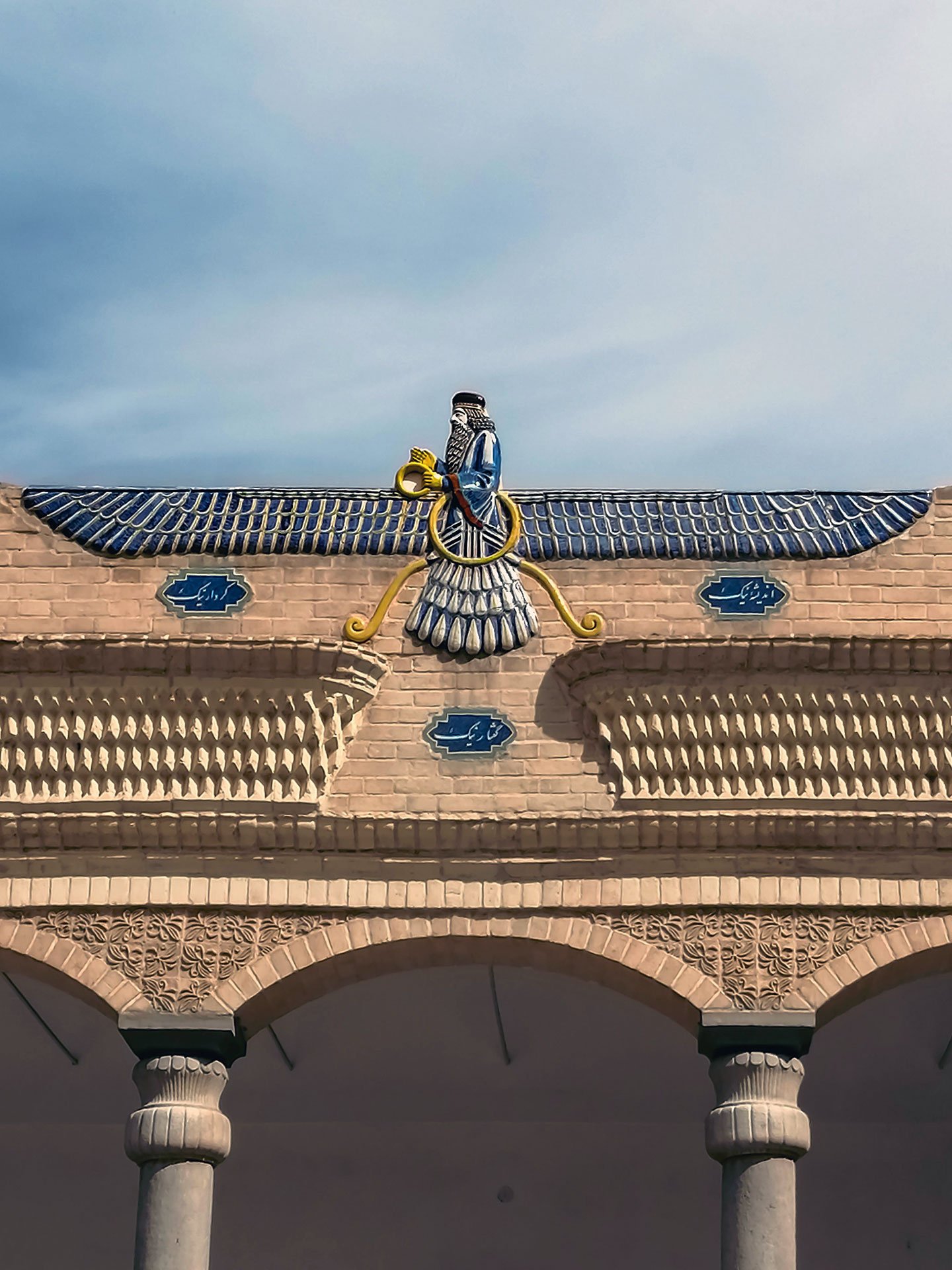
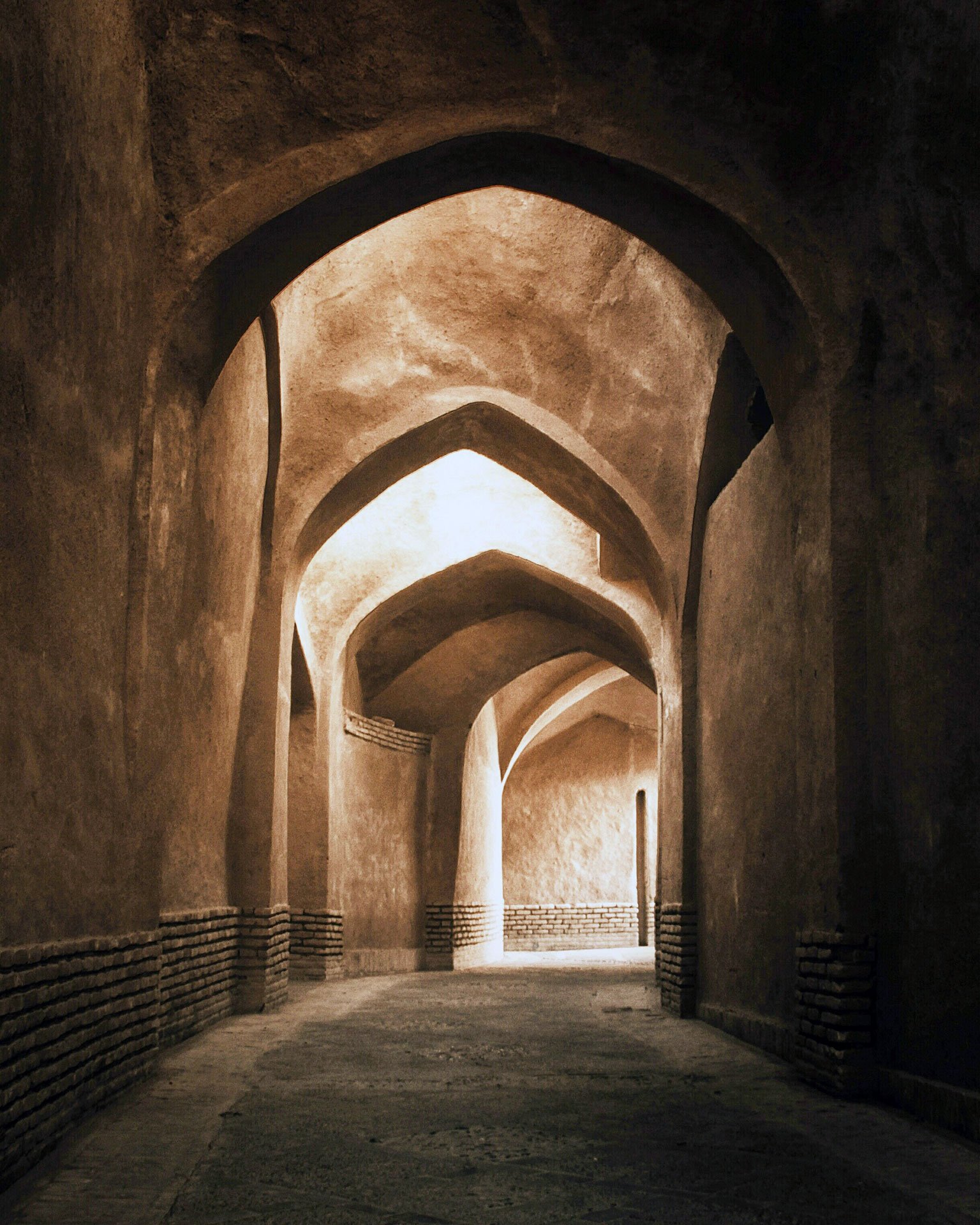
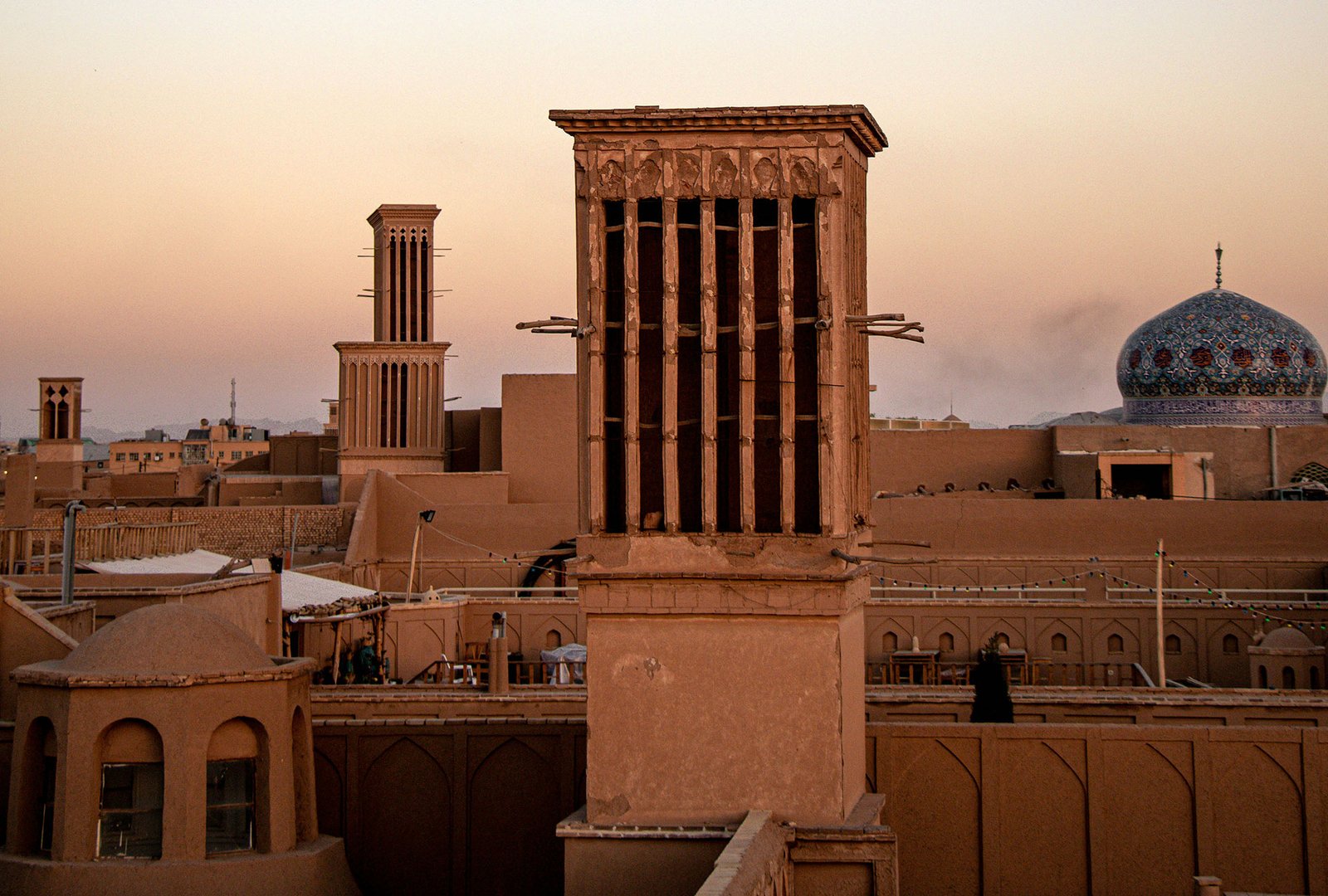
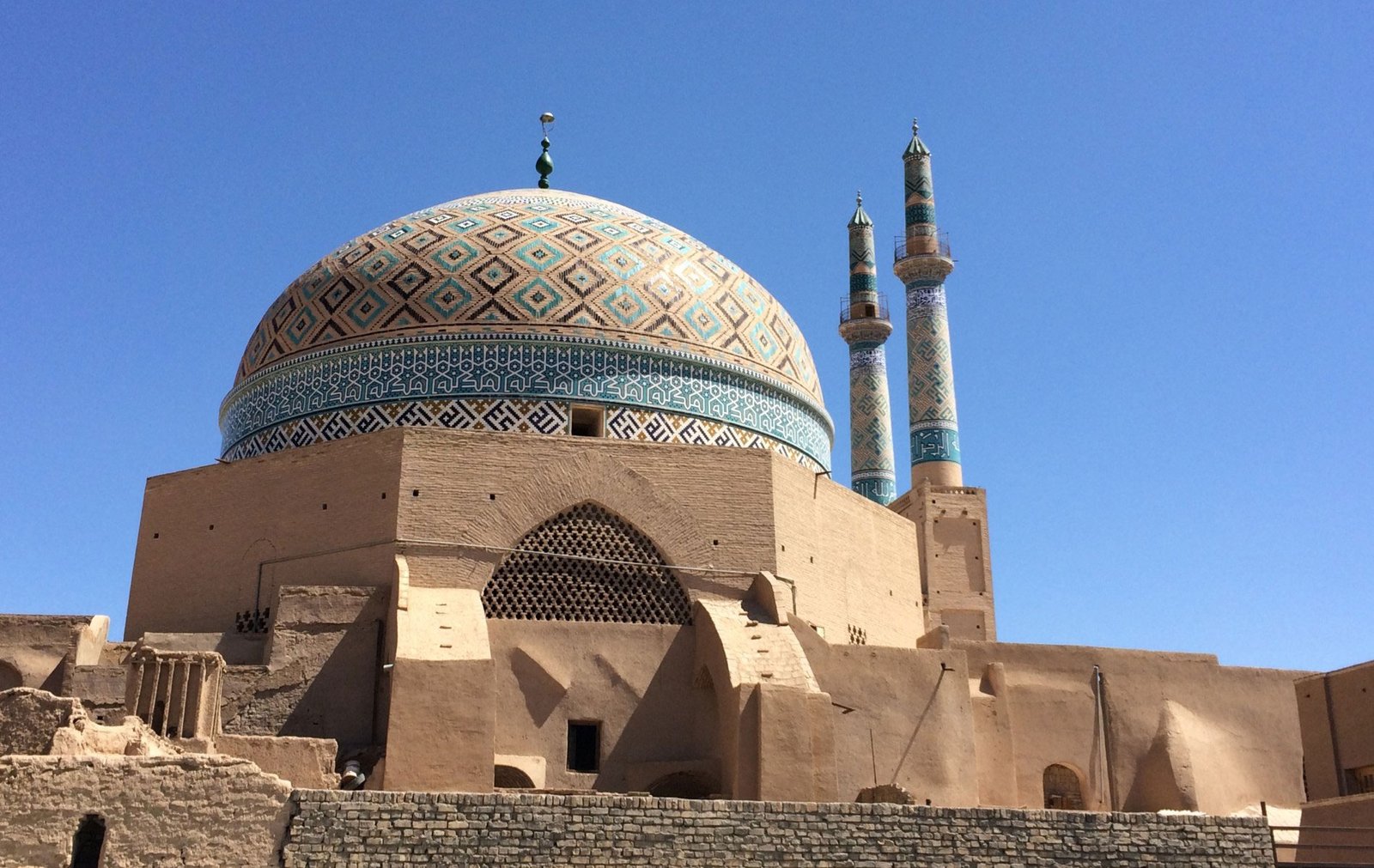
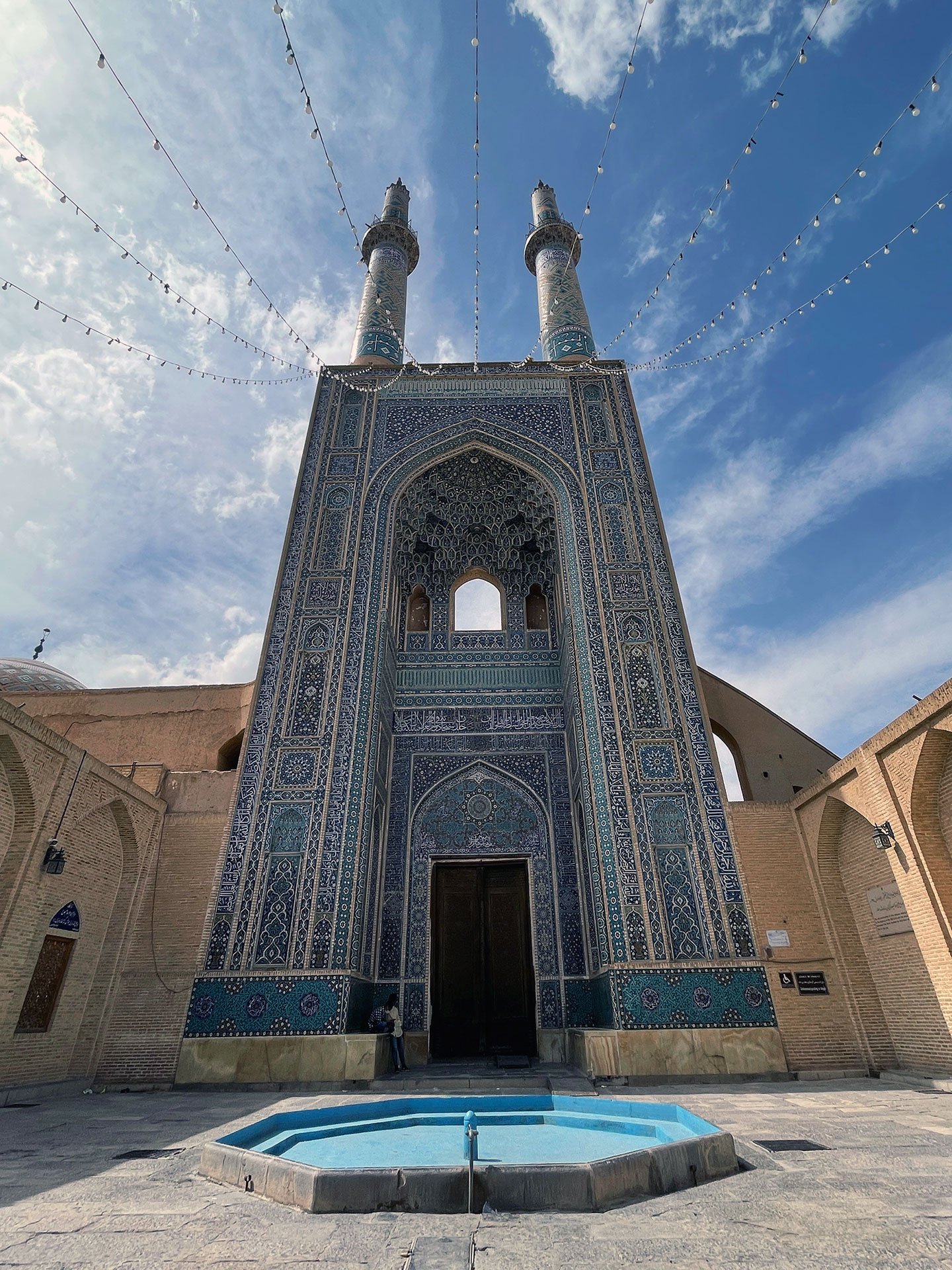
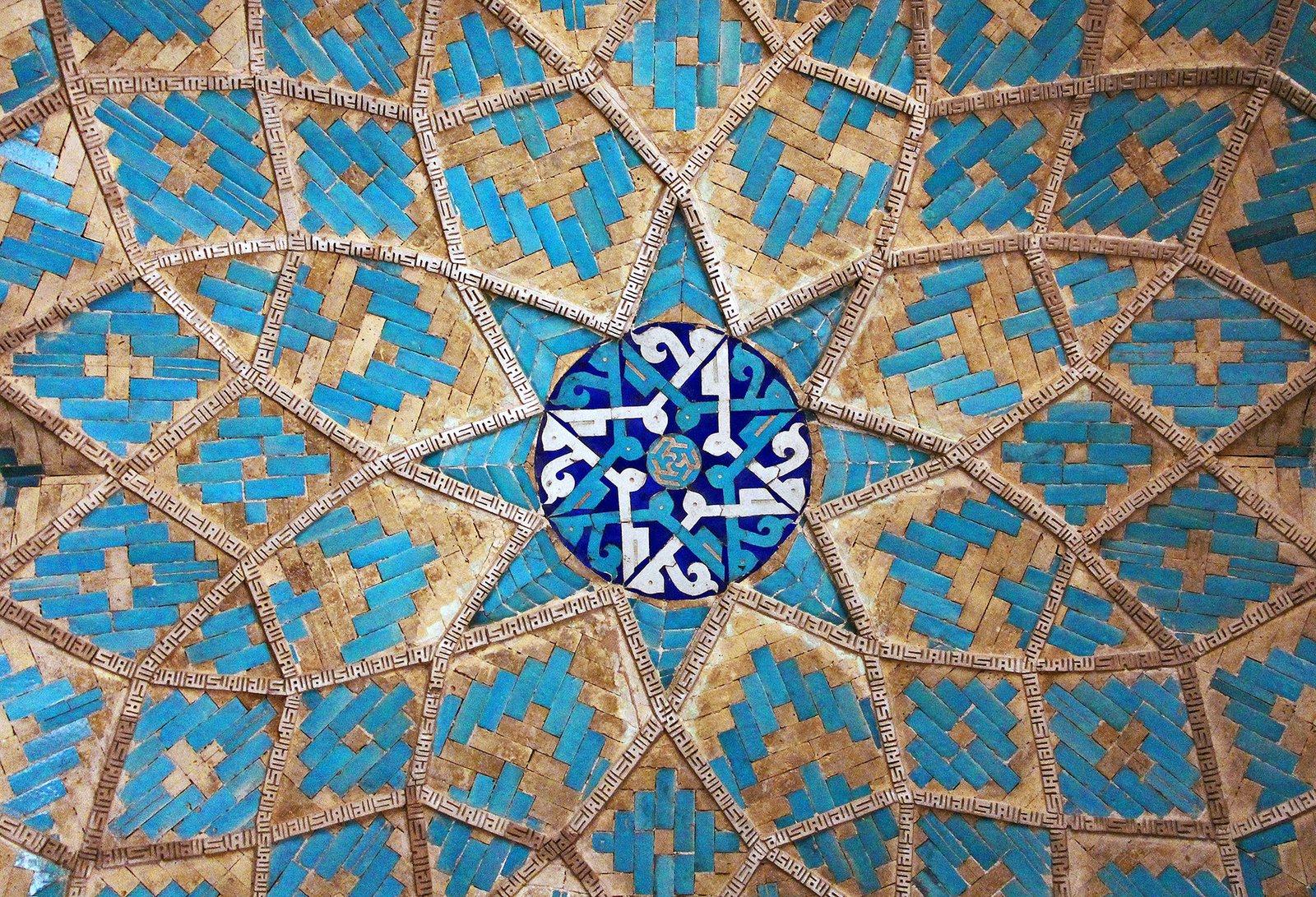
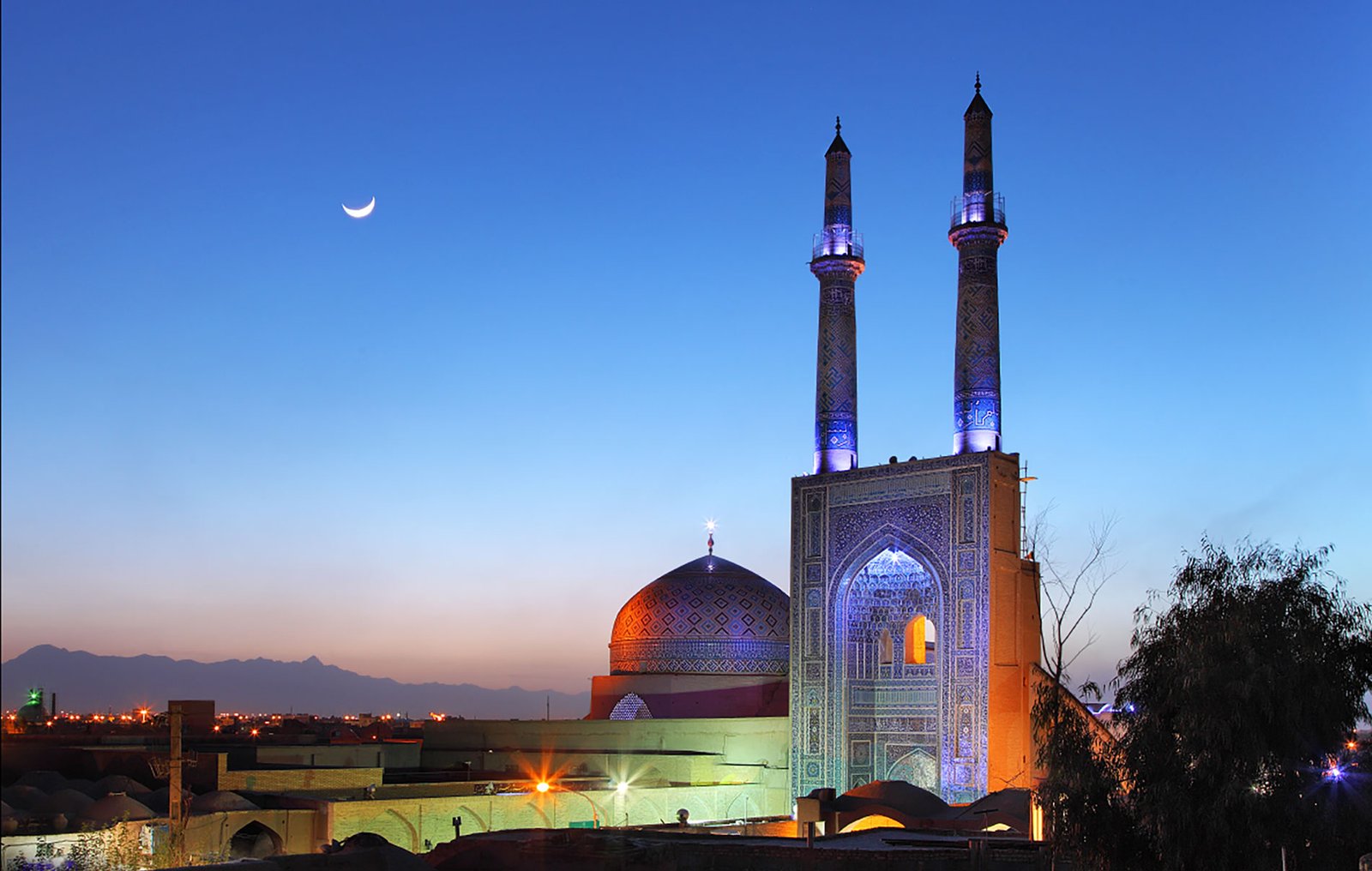
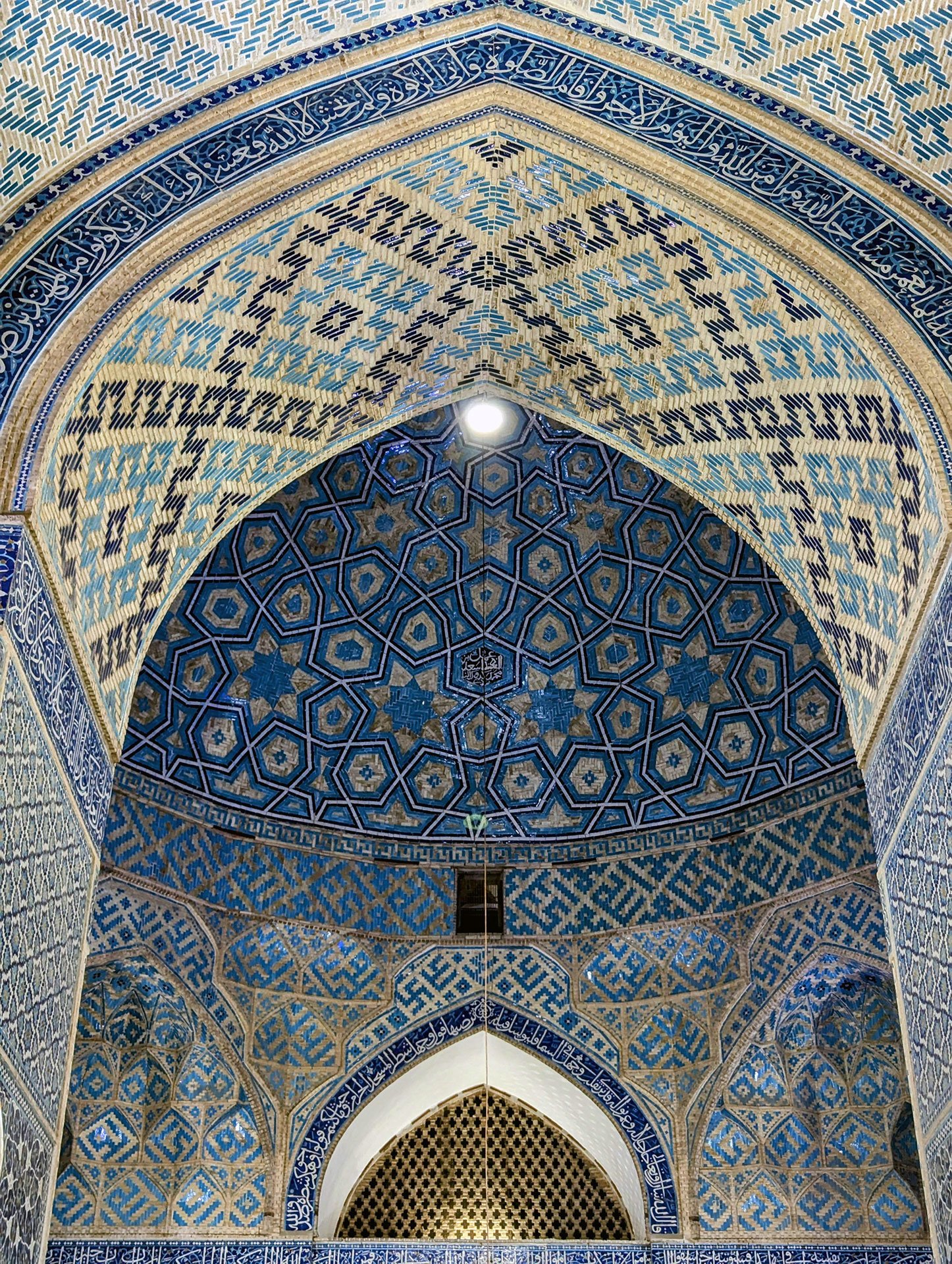
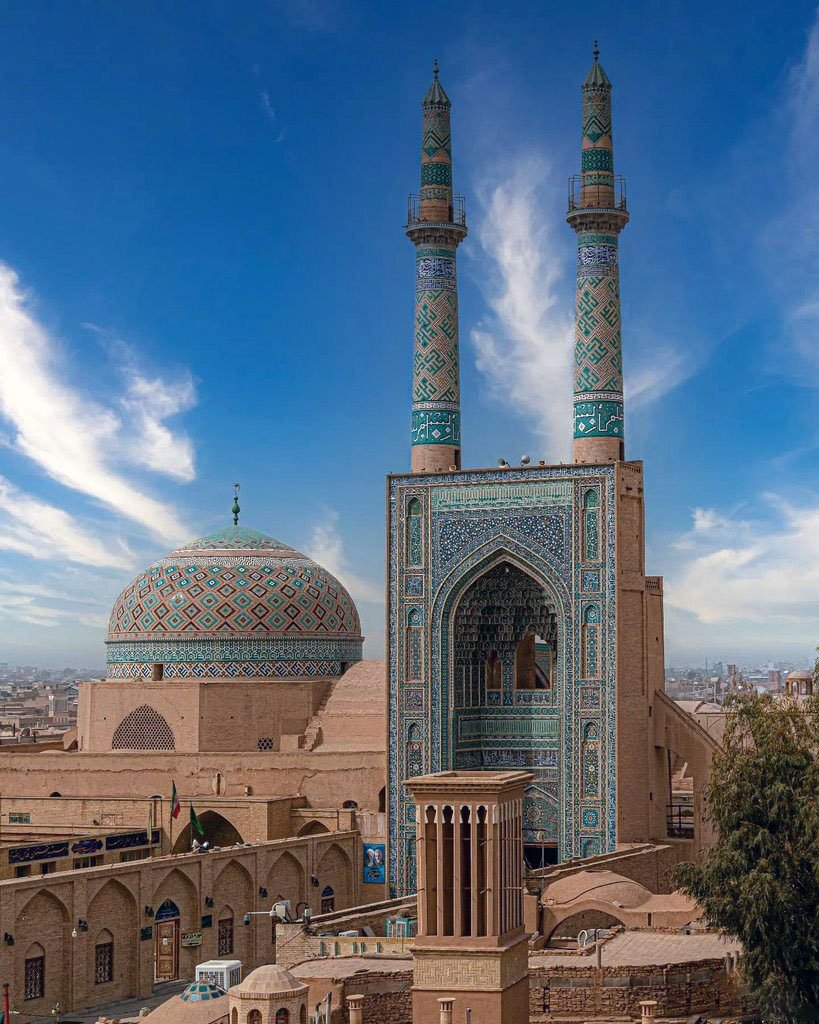
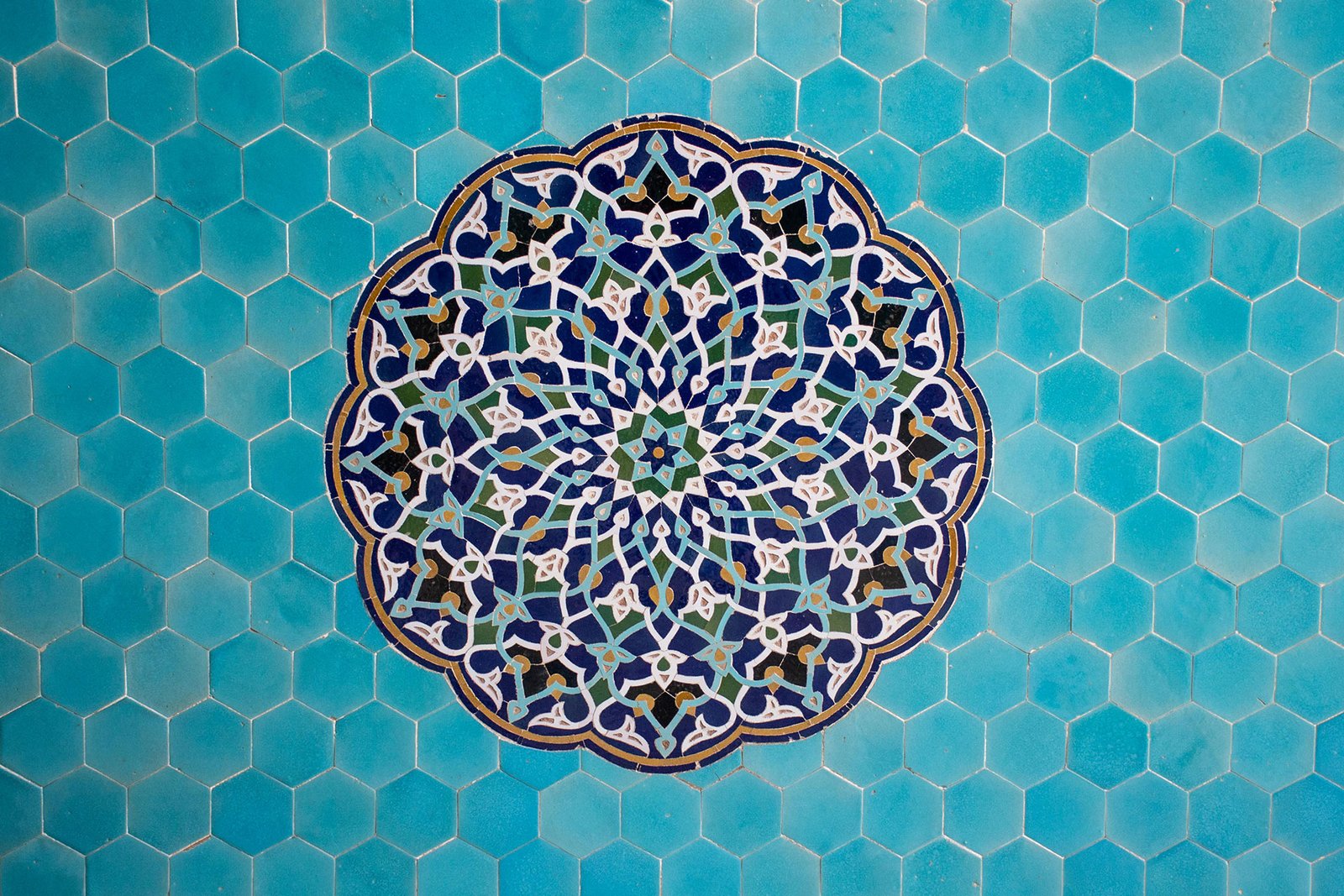
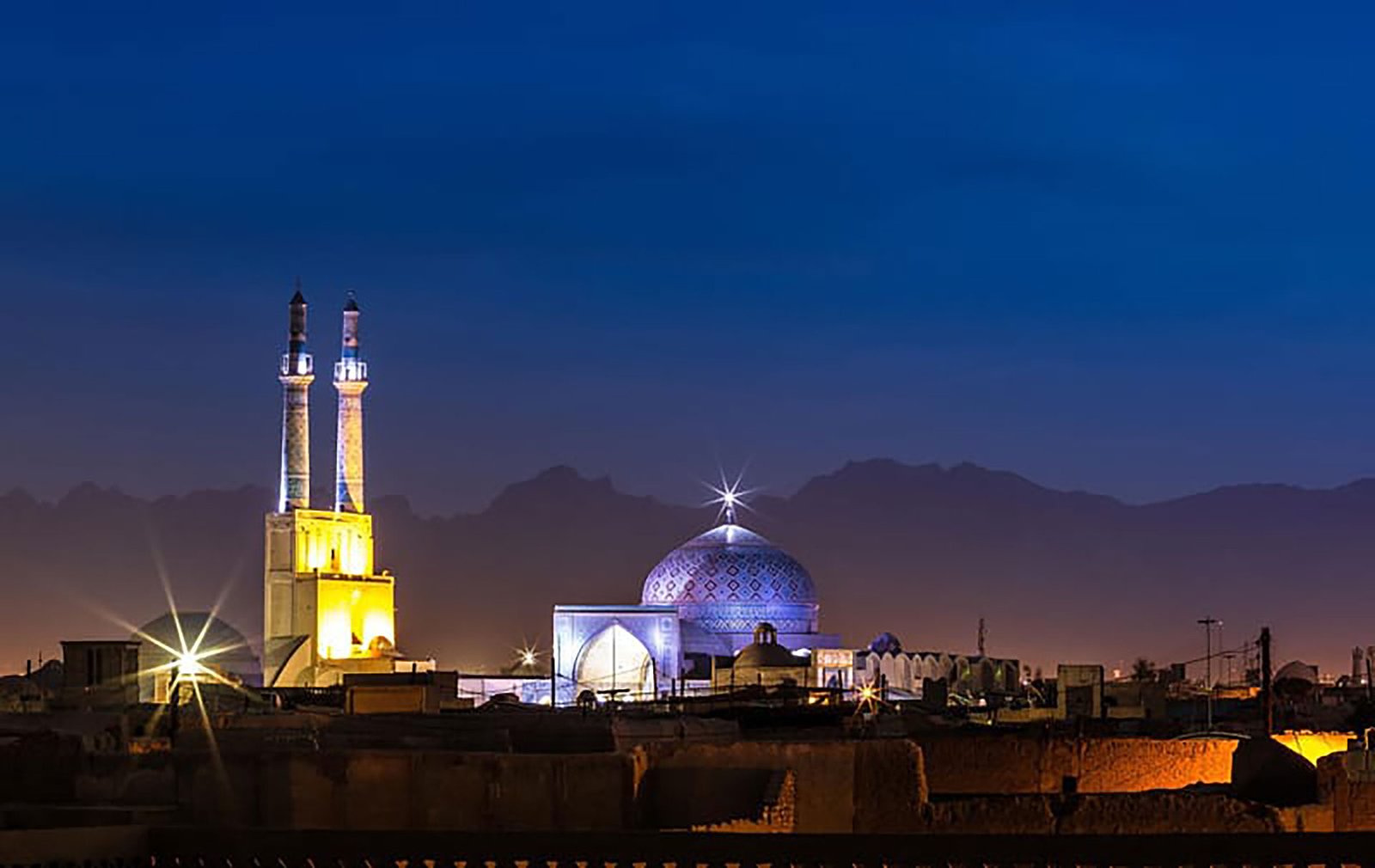
Yazd Grand Mosque is the city’s most celebrated congregational mosque and a defining landmark of central Iran’s desert architecture. Rising from the old quarters of Yazd, it sits amid a maze of adobe lanes and traditional neighborhoods where windcatchers and mud-brick walls shape the skyline. The mosque’s tall entrance portal and twin minarets create a dramatic vertical accent against the flat, sunlit cityscape, making it a natural point of orientation for visitors exploring the historic center.Much of what you see today reflects major construction and embellishment during the medieval period, when Yazd prospered as a crossroads of trade and scholarship. Beyond its role as a place of worship, the mosque represents the continuity of community life in a UNESCO-listed city famed for adapting to an arid climate. Its inscriptions and tilework carry layers of religious devotion, artistic patronage, and local identity, linking the present-day city to centuries of craftsmanship and learning.Visitors typically notice the deep-blue and turquoise mosaic tiles first, especially the intricate geometric patterns and calligraphy that frame the soaring iwan. Step inside and the atmosphere shifts: shaded courtyards, cool stone surfaces, and carefully proportioned spaces emphasize calm and symmetry. Look closely for the play of light across glazed tiles, the refined brickwork, and the subtle transitions from public threshold to more intimate prayer areas—details that reveal why Yazd Grand Mosque is considered a masterpiece of Iranian-Islamic design.
A Glimpse Into Yazd Grand Mosque
See Yazd Grand Mosque Through Moments
Visitor Information
Essential Information for Visiting Yazd Grand Mosque
Wear footwear you can slip on and off. You may need to remove shoes in certain areas; socks can be useful on cooler floors or for comfort.
Plan for Yazd’s dry climate. Carry water, use sunscreen, and consider a hat—courtyards and approach streets can feel bright and warm, even outside peak summer.
Time your visit for softer light and calmer moments. Early morning or later afternoon often brings better temperatures and more flattering light for the mosque’s tilework.
Practice considerate photography. Ask before photographing people, avoid flash in sensitive spaces, and keep your voice low—especially during prayer times.
Move gently and mind sacred spaces. Follow posted guidance, avoid stepping on prayer rugs, and give worshippers space; a slow pace helps you notice inscriptions and details.
Signature Tours including Yazd Grand Mosque
We Believe Your Journey Through Yazd Grand Mosque Should Be Personal.
No results found.
Frequently Asked Questions about Yazd Grand Mosque and Nearby Attractions
In Yazd, the Yazd Grand Mosque (Masjid-e Jameh) is both a major landmark and an active religious site, so plan your visit with respectful etiquette in mind. Dress modestly (covered shoulders and legs); women are often expected to cover their hair, and a chador may be available to borrow at the entrance. Keep voices low, avoid stepping in front of people who are praying, and ask before photographing worshippers.
Timing matters: the mosque can be quieter outside prayer times, while access to certain areas may be limited during services or religious events. If you want to take photos of the famous tilework and the soaring entrance portal, aim for softer light in the morning or late afternoon and be prepared to follow any on-site photography guidance.
Practicalities are straightforward but worth noting. Remove shoes where indicated, keep belongings compact, and follow gender-segregated spaces if they’re in use. Rules and visitor access can change, so it’s wise to confirm expectations with signage or staff on arrival.
At Yazd Grand Mosque, the most striking photos usually come from the main iwan (entrance portal) where the tall minarets frame the turquoise tilework. Step back to include the full façade, then move closer to capture the geometric patterns and calligraphy details.
For balanced symmetry, stand on the central axis facing the portal and keep your camera level to avoid leaning vertical lines. If you want a more atmospheric look, try a lower angle from the courtyard side to emphasize height while keeping people out of the frame.
Light can change the tile colors dramatically, so consider visiting in softer morning or late-afternoon light rather than harsh midday sun. Tripods and flash may be discouraged in some religious sites, so it’s wise to ask on-site before setting up or photographing people.
Inside, look for quieter corners with repeating arches and mosaic textures; a wide lens helps in tighter spaces. Be mindful of worshippers and keep your movement discreet—good photos are easier when you blend into the setting.
In Yazd, the Yazd Grand Mosque is easy to appreciate even on a tight schedule if you plan a simple loop. Start by pausing in the main courtyard to take in the scale and tilework, then move gradually toward the entrance portal and interior spaces.
Give yourself a few minutes to sit quietly and notice the details—calligraphy bands, geometric patterns, and the way light changes across the surfaces. If prayer is underway, keep to the edges and follow the flow of visitors rather than crossing in front of worshippers.
For a smoother visit, carry a light layer you can add or remove, and wear shoes that are easy to slip on and off, as some areas may require it. Restroom access and entry procedures can vary, so it’s wise to ask staff or look for posted guidance on-site. If you’re visiting during hotter months, aim for cooler parts of the day and bring water, especially if you’re also walking through Yazd’s old town.
Yazd is one of Iran’s best-preserved historic cities, and a focused one-day plan can cover its most atmospheric cultural & historical sights. Start early in the old town to enjoy the adobe lanes before the heat and crowds build, and keep your route walkable to save time.
Begin with a loop through the historic neighborhoods and a traditional courtyard house-turned-museum or café, then head to the Amir Chakhmaq complex for its iconic façade and surrounding square. If you’re interested in Zoroastrian heritage, consider adding the Fire Temple and the Towers of Silence area; these are meaningful sites where quiet behavior and respectful photography are expected.
Midday is ideal for a slower pace: seek shade in a garden, teahouse, or a windcatcher-cooled interior, and plan a longer lunch break. In the late afternoon, visit the Jameh Mosque area for tilework and the old town’s skyline, then finish with rooftop views at sunset—many hotels and cafés offer terraces, but access policies can vary.
Practical tip: wear breathable clothing, carry water, and use a local guide if you want deeper context on architecture, qanat water systems, and neighborhood history. For any site-specific rules (entry, photography, or visiting times), confirm on the day locally.
In Yazd, a deeper cultural & historical visit usually means slowing down in the old city rather than trying to “collect” landmarks. Start by wandering the adobe lanes around Fahadan and similar historic quarters, where windcatchers, courtyards, and mud-brick walls explain the city’s desert architecture better than any museum label.
For Zoroastrian heritage, consider the Fire Temple and the Towers of Silence area (often visited with a driver or taxi). Treat these as living heritage sites: keep voices low, follow any posted guidance, and ask before photographing people or ritual spaces.
To understand Yazd’s Islamic-era history, pair a major mosque with a traditional bazaar and a historic water infrastructure stop (like an ab anbar/cistern or qanat-related exhibit). The combination shows how faith, trade, and engineering shaped daily life in a harsh climate.
Practical tip: go early or late to enjoy softer light and cooler temperatures, and plan short breaks in tea houses or courtyard cafés. If you’re visiting during holidays or prayer times, confirm access on arrival, as some areas may be restricted temporarily.