f f f f f f f f f f f f f f f f f f
1°C
scattered clouds
0 Tours

Destinations of Iran

Tabriz Uncovered

Carpets, Mountains, And Bazaar Grandeur

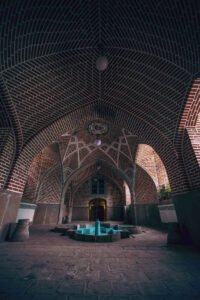
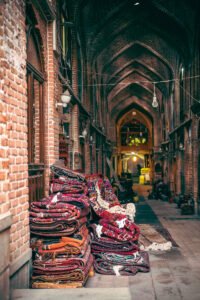
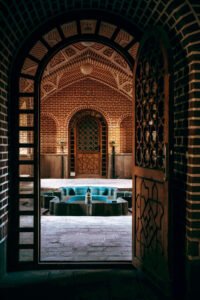
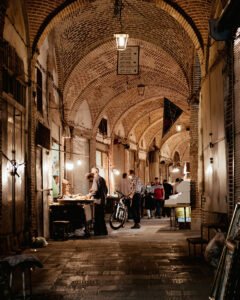
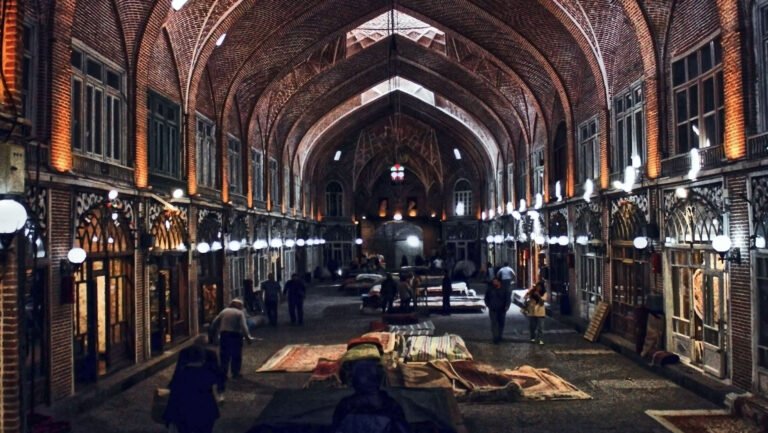
Tabriz sits on a high plateau in Iran’s northwest, where crisp air and wide skies shape the city’s mood. Long a crossroads between Anatolia, the Caucasus, and the Iranian interior, it has absorbed languages, crafts, and ideas into a distinctly Azeri-flavored urban culture. You’ll notice a practical rhythm in daily life—bazaars, workshops, tea houses, and broad streets that hint at both mercantile history and modern growth.The city’s heritage is often read through brick and tile: historic mosques, courtyards, and caravanserai architecture meet museums and contemporary cafés. The UNESCO-listed historic bazaar complex remains a living center of trade, filled with carpets, copperwork, spices, and conversation, while nearby neighborhoods reveal quieter lanes and local bakeries. Art and memory also run deep here, from miniature painting traditions to poetry and music that echo across family gatherings.Beyond the city, the landscape turns quickly to volcanic mountains and striking rock formations, giving Tabriz a strong sense of place. Seasonal contrasts—snowy winters and mild springs—change the light and pace, making walks and day trips feel different throughout the year.

Tabriz Highlights
  • Wander the UNESCO-listed Grand Bazaar, a living maze of trade and craft.
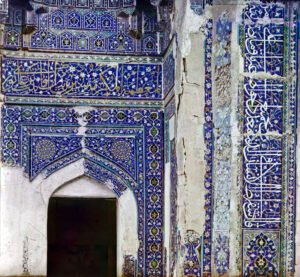
  • Admire the Blue Mosque’s turquoise tiles, weathered yet quietly luminous.
  • Climb to the Ark of Tabriz, where history meets city views.
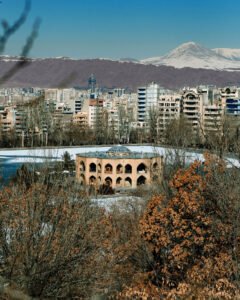
  • Stroll El Goli Park, a beloved lakeside retreat for locals and visitors.
  • Explore nearby Kandovan, a troglodyte village carved into volcanic rock.
  • Taste Azeri flavors in traditional eateries, from kebabs to fragrant sweets.
Best Time to Visit Tabriz

Tabriz rewards travelers who plan around its clear seasonal shifts. Spring brings fresh air, greener parks, and comfortable days for walking the historic bazaar and nearby villages. Summer is generally dry and bright; afternoons can feel warm, while evenings are often easier for outdoor cafés and strolls.Autumn is crisp and calm, with golden light and fewer crowds—ideal for museums and day trips into the surrounding foothills. Winter can be cold, with occasional snow and shorter days; it suits visitors who enjoy a quieter city atmosphere and cozy teahouses. For most people, late spring and early autumn offer the most balanced mix of weather and atmosphere.

How to Reach Tabriz

Tabriz is well connected by air, rail, and road, making it an easy hub for exploring Iranian Azerbaijan. Most visitors arrive via Tabriz’s airport on domestic routes and some international connections, then continue into the city by taxi or pre-arranged transfer. The railway station links Tabriz with major Iranian cities, a comfortable option if you prefer overland travel and scenic stretches across the northwest. By road, intercity buses and private cars reach Tabriz from Tehran and neighboring provinces, with highways and mountain routes that change character with the seasons. If you’re coming from the region, border crossings to the north can also feed into onward travel by road.

City of Firsts in Iran
Tabriz is widely known in Iran as the “City of Firsts,” credited with pioneering institutions and innovations in the country’s modern era, from early printing and newspapers to civic and educational initiatives. The nickname reflects its long-standing role as a hub of reform, trade, and...

Explore Tabriz

Tabriz-Grand-Bazaar-Hero

Find Your Way Around Tabriz

See all the key sights, landmarks, and hidden gems of Tabriz pinned exactly where they are — making it easier to plan your route and explore like a local.

Signature Tours including Tabriz

Keep Exploring

Discover Iran’s Most Beautiful Cities

Continue your adventure beyond Tabriz with a selection of destinations that truly showcase the diversity and beauty of Iran. From historic cities and cultural capitals to mountain escapes and desert wonders, each destination brings its own rhythm, stories, and unforgettable experiences.
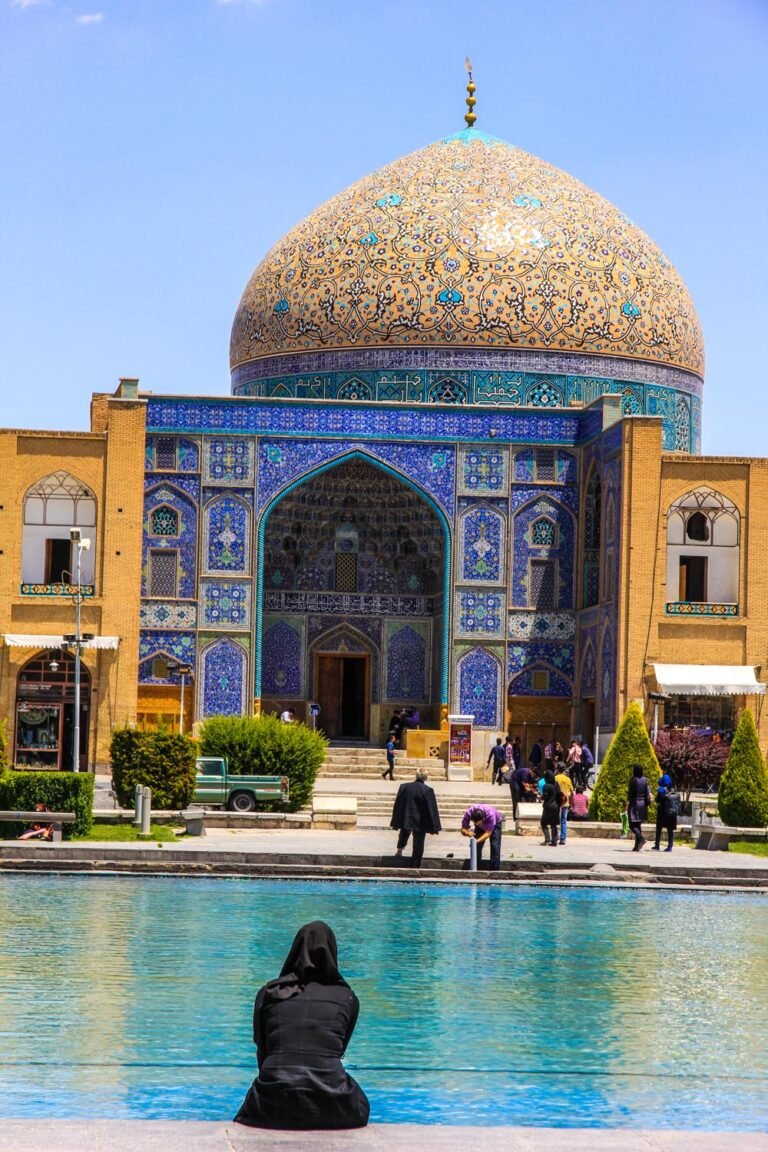
Esfahan_Sheikh_lotfollah
Tehran facing Alborz Mountains
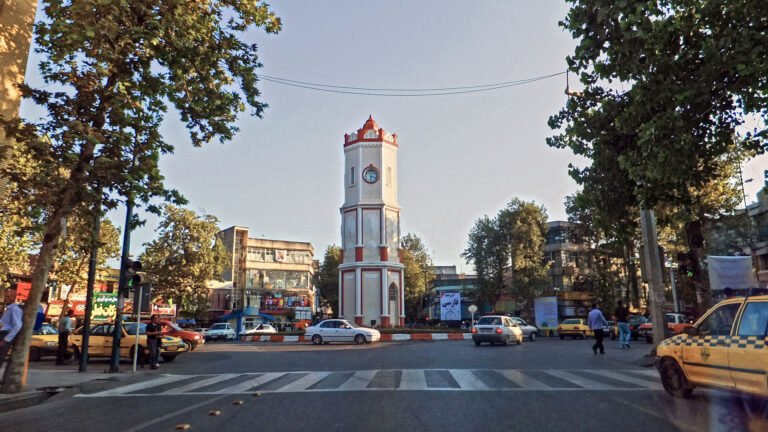
sari-3-pardisan
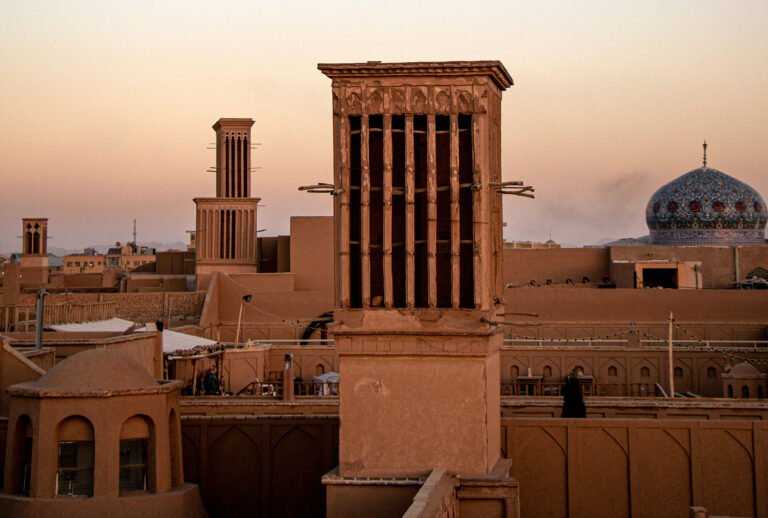
Windcatchers-Yazd
Hafez-Tomb
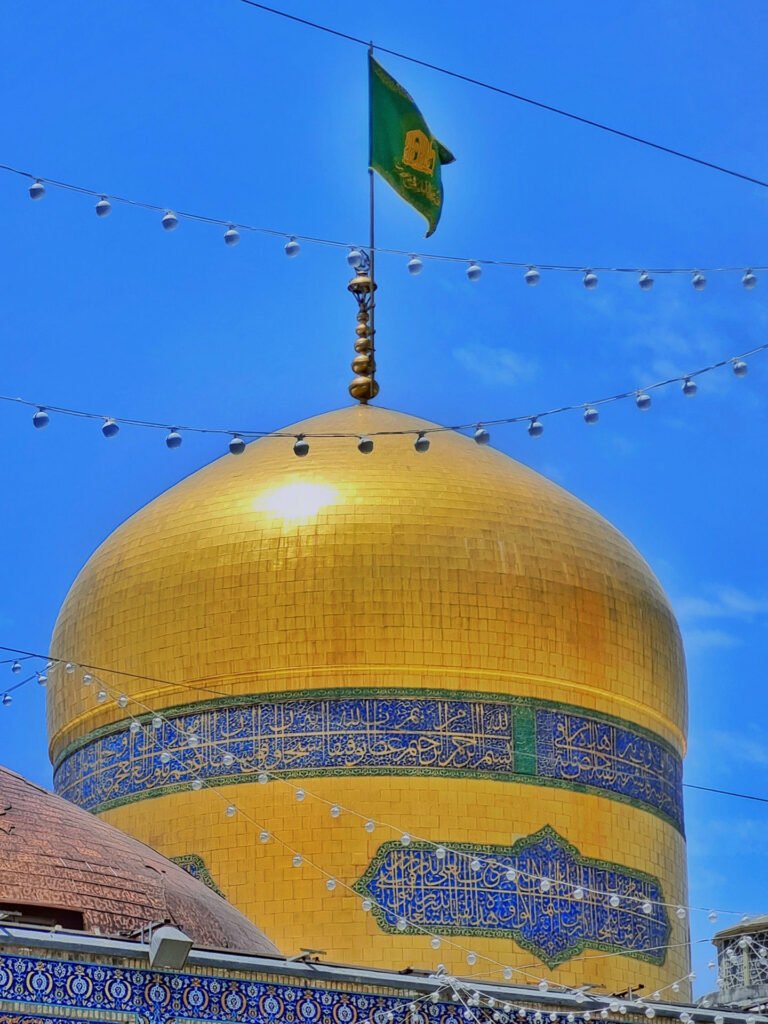
Imam-Reza-MAshhad
agha bozorg mosque kashan pardisan

Frequently Asked Questions about Tabriz

In Tabriz, your best base depends on whether you want quick access to historic sights, shopping, or a quieter local feel. For first-time visitors focused on classic landmarks, staying near the city center makes it easier to reach the Grand Bazaar, museums, and key squares without long cross-town trips.

If you’re prioritizing atmosphere, look for neighborhoods with active evening promenades, cafés, and parks—these can make nights feel safe and lively without needing to plan much. Ask your hotel about walkable routes and which streets are best after dark, as the “main” evening areas can shift by season.

For comfort and practicality, choose a place with reliable heating/cooling, good soundproofing, and clear check-in instructions—Tabriz can be busy, and street noise varies a lot by block. If you plan day trips (for example, to Kandovan), a hotel that can help arrange a driver or confirm departure points can save time; confirm pickup details in writing.

Tabriz rewards a compact plan because many headline sights cluster around the historic core, especially the UNESCO-listed Tabriz Historic Bazaar Complex. Start by grouping stops into walkable blocks—bazaar lanes, nearby museums, and central squares—so you spend your time exploring rather than transferring.

For a half-day, prioritize one “anchor” attraction (often the bazaar) plus one contrasting stop such as a museum or a viewpoint. For a full day, add a second neighborhood or a longer visit inside the bazaar’s caravanserai-style halls and workshops, allowing time for tea breaks and browsing.

Build your route around practical rhythms: mornings tend to be best for intensive walking and photography, while late afternoon can suit parks and panoramic spots. If you’re visiting on a holiday or during a local event, keep a backup list of indoor options in case some sections operate on reduced schedules.

To keep the day smooth, confirm access conditions locally (some venues may have separate entrances, gendered areas, or security checks) and carry small cash for minor purchases. A local guide can be especially useful in the bazaar to navigate passages, identify reputable handicraft sellers, and explain what you’re seeing.

In Tabriz, taxis and app-based ride-hailing are often the simplest way to move between spread-out sights like the Grand Bazaar area, El Goli, and major museums without losing time to transfers.

For street taxis, agree on the fare before you get in unless the driver clearly proposes using a meter. It helps to have your destination written in Persian (or pinned on a map) and to confirm the route briefly—especially if you’re heading to a less familiar neighborhood.

With ride-hailing apps, double-check the pickup point and car details, and message the driver if you’re inside a complex place (like a bazaar entrance) where GPS can drift. Keep small cash on hand in case card or in-app payment isn’t available for your account, and allow extra time during peak traffic and bad weather.

If you’re traveling as a group or with luggage, request a larger vehicle when possible and confirm the trunk space before the driver arrives. As with any city, keep valuables close, sit in the back if you prefer more personal space, and use well-lit pickup spots at night.

Tabriz is an excellent base for day trips into East Azerbaijan, especially if you want a break from city sightseeing without changing hotels. The most rewarding excursions are usually reachable in a few hours each way, making them realistic for a full-day loop.

Kandovan is the classic choice: a living village of rock-cut homes that feels both scenic and culturally distinctive. Go early to avoid the busiest period, and plan for uneven paths and steps—comfortable shoes matter. If you’re interested in local crafts and food, leave time to browse small shops rather than treating it as a quick photo stop.

For history and architecture, many travelers pair Tabriz with a visit to Jolfa and the Aras River border region, where Armenian church sites and mountain landscapes are a highlight. Because access and visiting conditions for religious sites can vary, it’s wise to confirm what’s open locally and dress modestly.

Logistics are simplest with a private driver for the day or a small-group tour arranged through your accommodation. If you self-organize, agree on the route, stops, and return time in advance, and carry some cash for small admissions, snacks, and roadside purchases.

In Tabriz, the easiest way to understand the city is through its food—especially if you plan around one or two markets and a few signature dishes. Start with the Tabriz Historic Bazaar (a major attraction) for a practical, all-in-one introduction: you can browse spice, nut, and sweet shops, then follow locals to simple eateries nearby.

Prioritize classics that are strongly associated with the region, such as koofteh (large stuffed meatballs), ash (herb-and-legume soups), and local kebab styles. For sweets, look for Qurabiya (almond cookies) and nut-based pastries; they travel well and are often sold by weight, so you can sample without committing to a full box.

For a smooth experience, go earlier in the day when stalls are fully stocked and the bazaar lanes are easier to navigate. If you have dietary preferences, ask plainly about ingredients—many dishes use meat stock or dairy—and consider ordering a smaller portion first. Packaging standards and freshness can vary by shop, so choose busy counters and don’t hesitate to compare a few vendors before buying.

Tabriz can feel dramatically different across the year, so timing matters as much as what you see. For most travelers, the most comfortable windows are typically spring and early autumn, when walking between major sights and bazaars is easier.

In summer, plan your sightseeing for early mornings and late afternoons, then use the hottest hours for indoor stops like the Tabriz Historic Bazaar Complex, museums, or tea breaks. In winter, cold snaps and occasional snow can make long walks less pleasant, but the city’s indoor attractions and cafés make it easy to build a warm, flexible plan.

Day-to-day, start earlier if you want calmer streets and better light for photos, especially around historic areas. If you’re shopping in bazaars, mid-morning to mid-afternoon is often the most practical window—some sections may wind down later in the day, so it’s wise to confirm locally and keep a backup stop nearby.

In Tabriz, visiting mosques and shrines is usually straightforward if you follow a few etiquette basics. Dress modestly (covered shoulders and legs), and women commonly use a headscarf; many sites are used by local worshippers, so a low-key appearance helps you blend in.

At entrances, look for cues about shoes—some prayer halls require you to remove them, while courtyards may not. Photography policies vary: it’s often fine in outdoor areas, but inside you should ask a caretaker or watch for posted signs, especially near prayer times.

Plan your visit around religious routines. Access can feel more limited during services, and certain sections may be reserved for worshippers; if you arrive during a prayer, wait quietly at the side or return later. If you’re unsure, a simple gesture or asking “OK?” with your camera usually gets a clear answer.

Bring small practical items: socks (for shoe-free interiors), a light scarf, and tissues. If you want context, hire a local guide or join a walking tour that includes historic religious sites—confirm meeting points and site access on the day.

Scroll to Top