

Discover the Treasures of Iran
Maharloo Lake (Pink Lake)
Seasonal Rose-Hued Saltwater Mirror
- Attractions
- Maharloo Lake (Pink Lake)
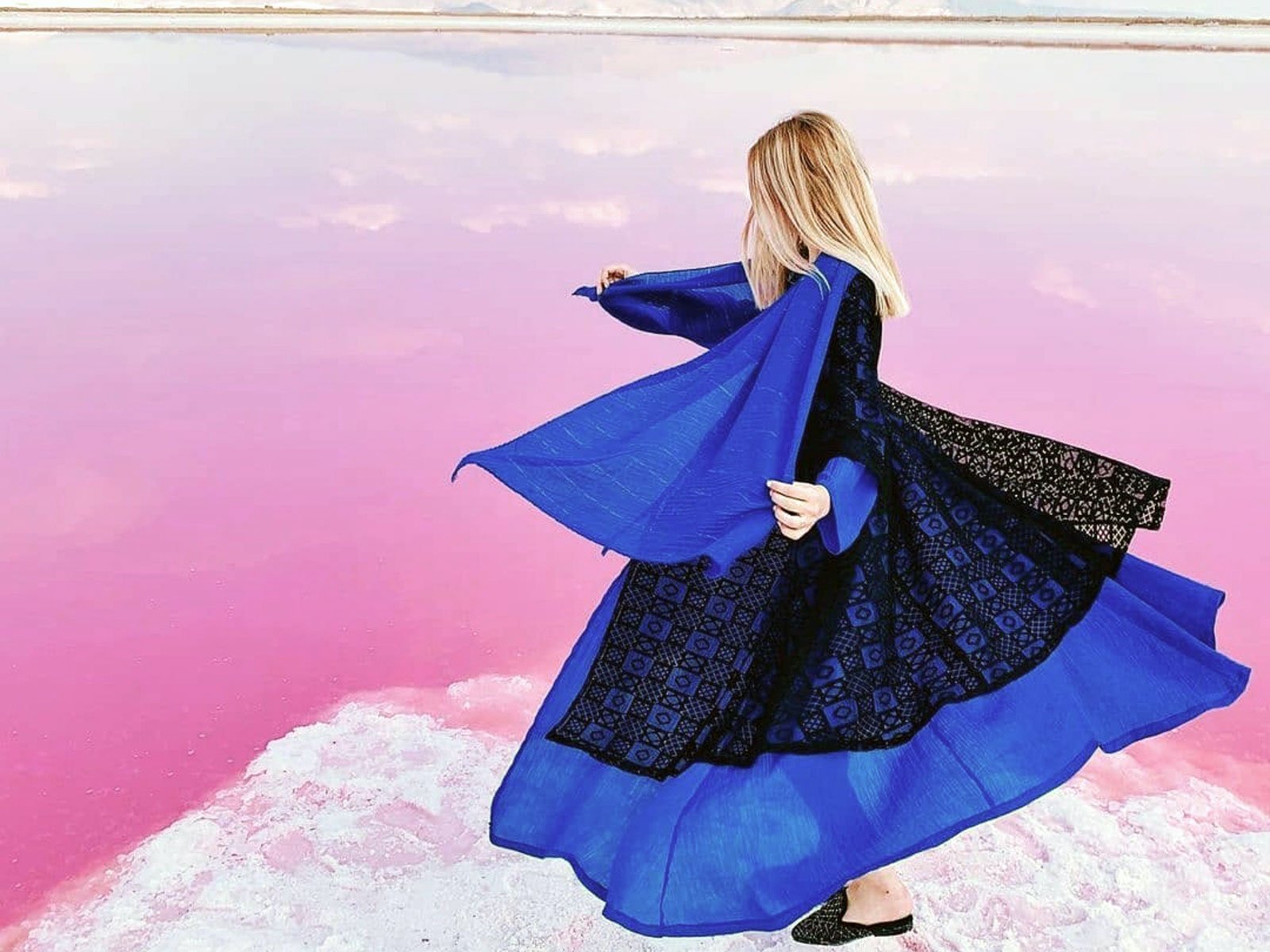
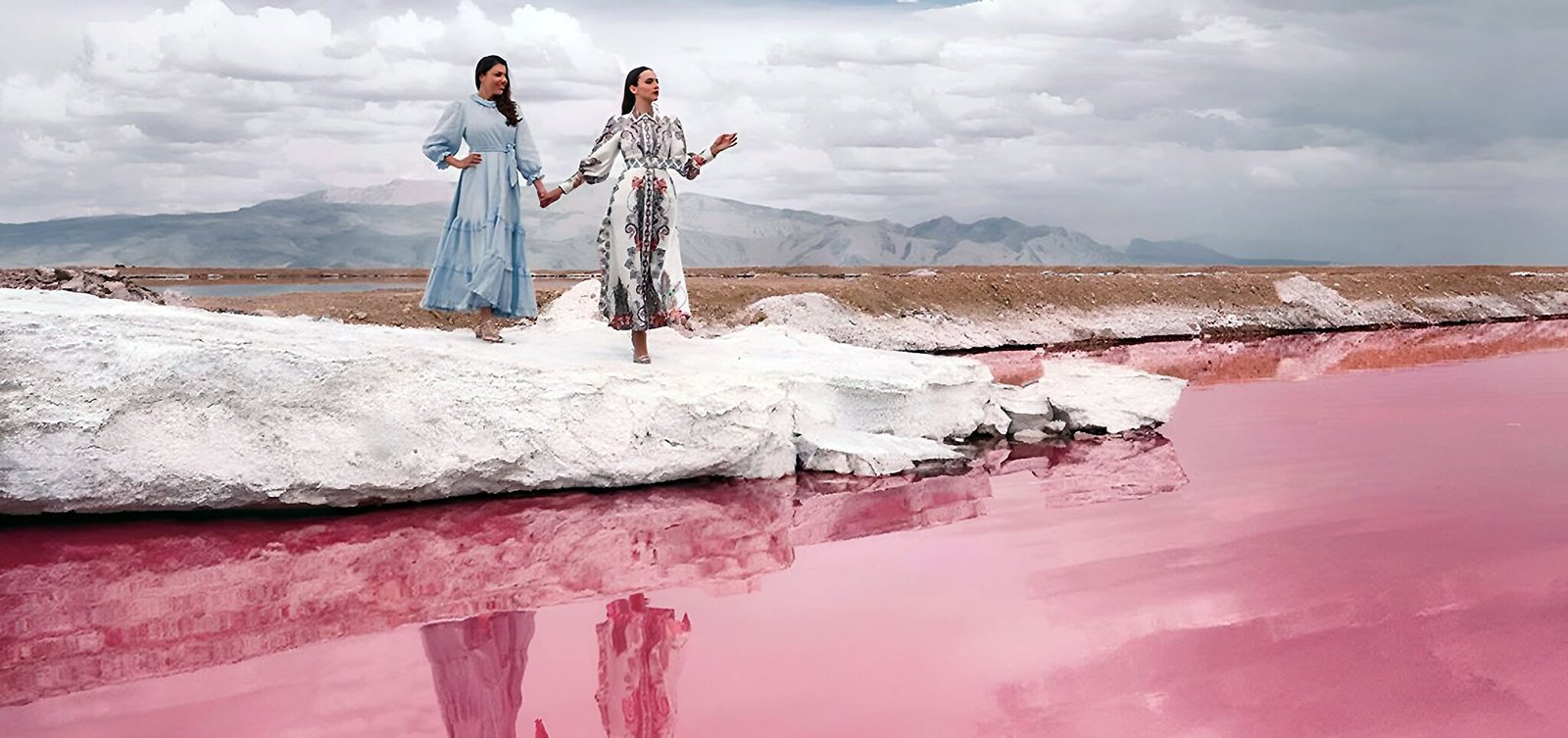
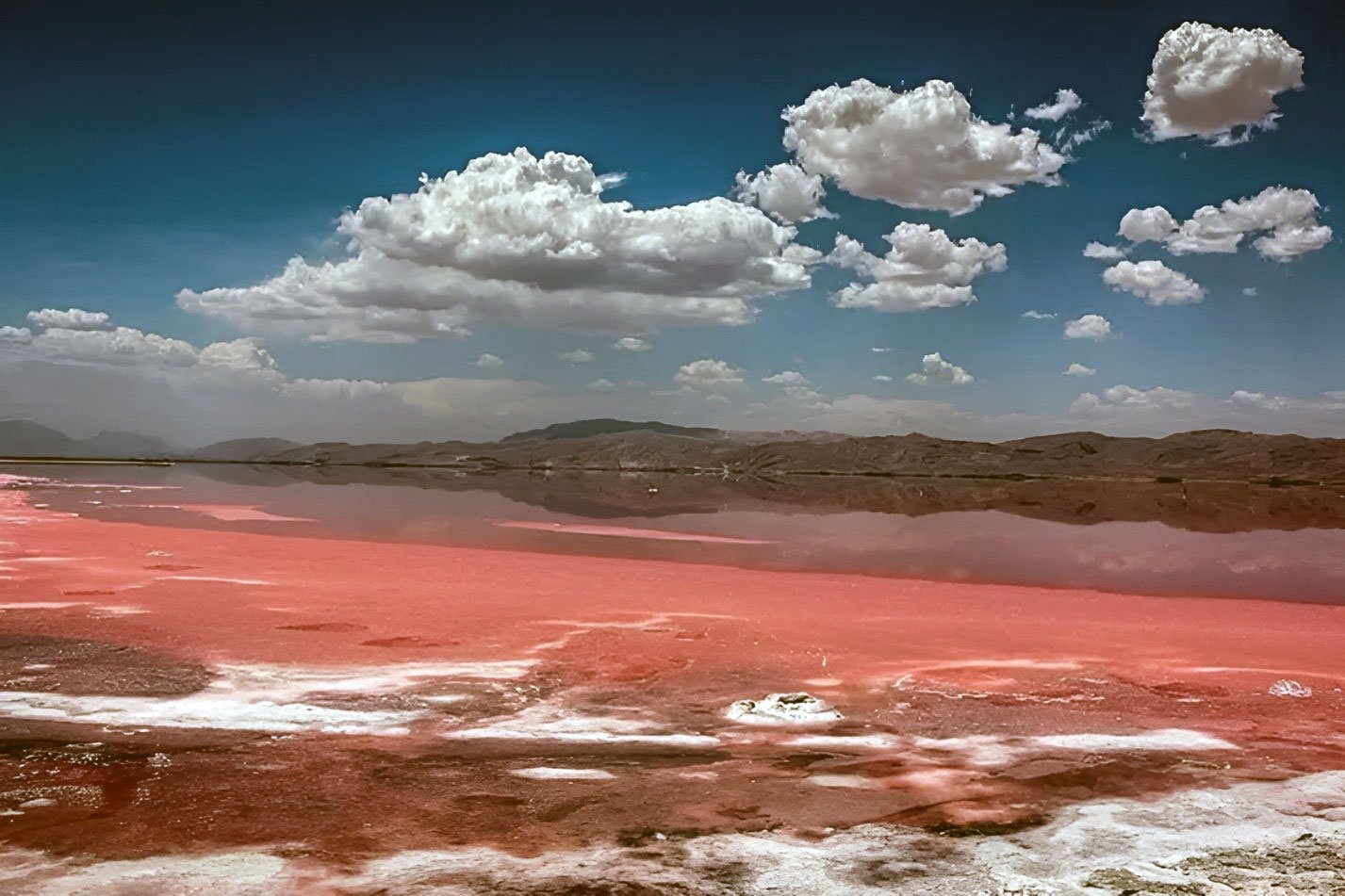
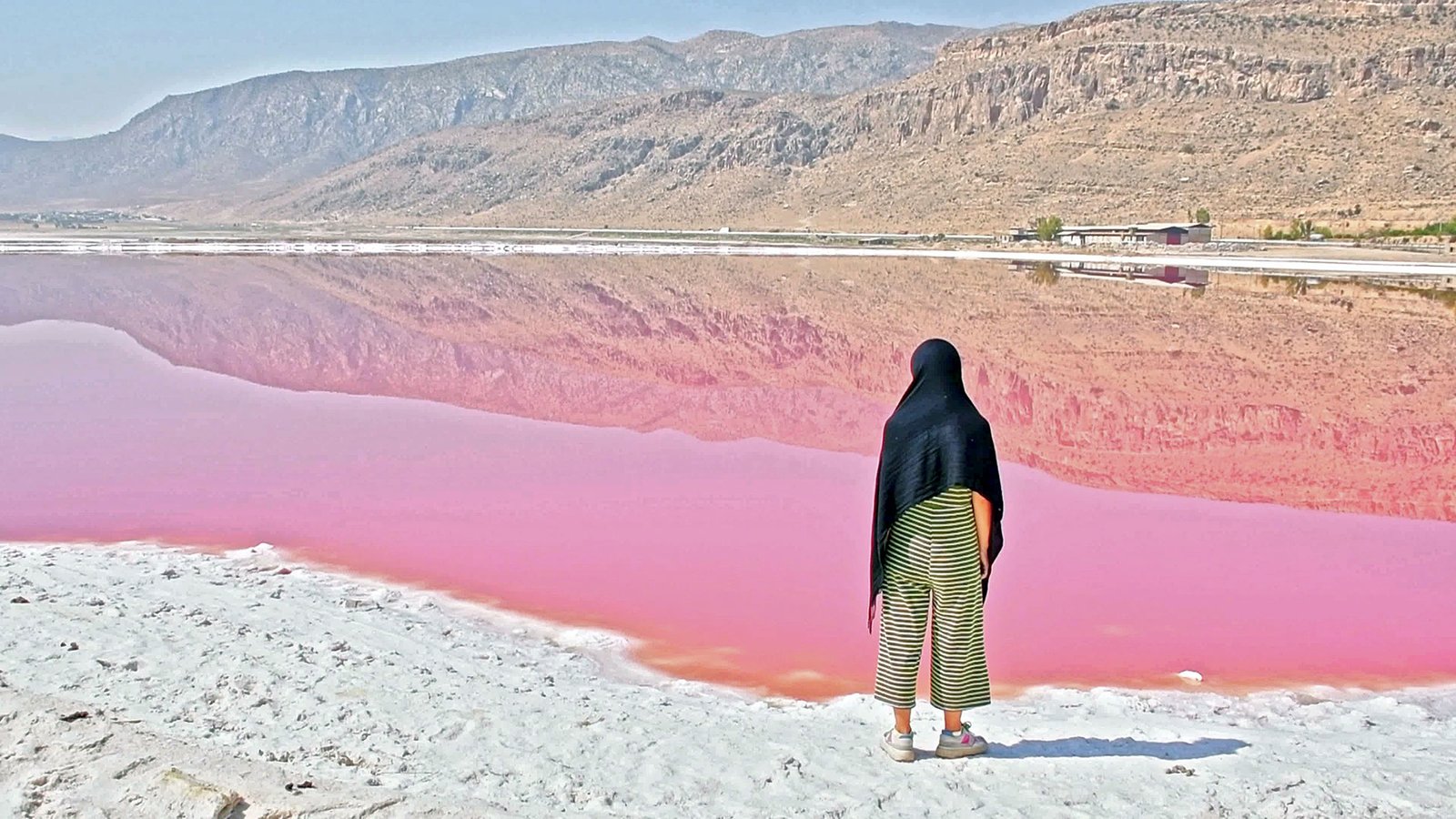
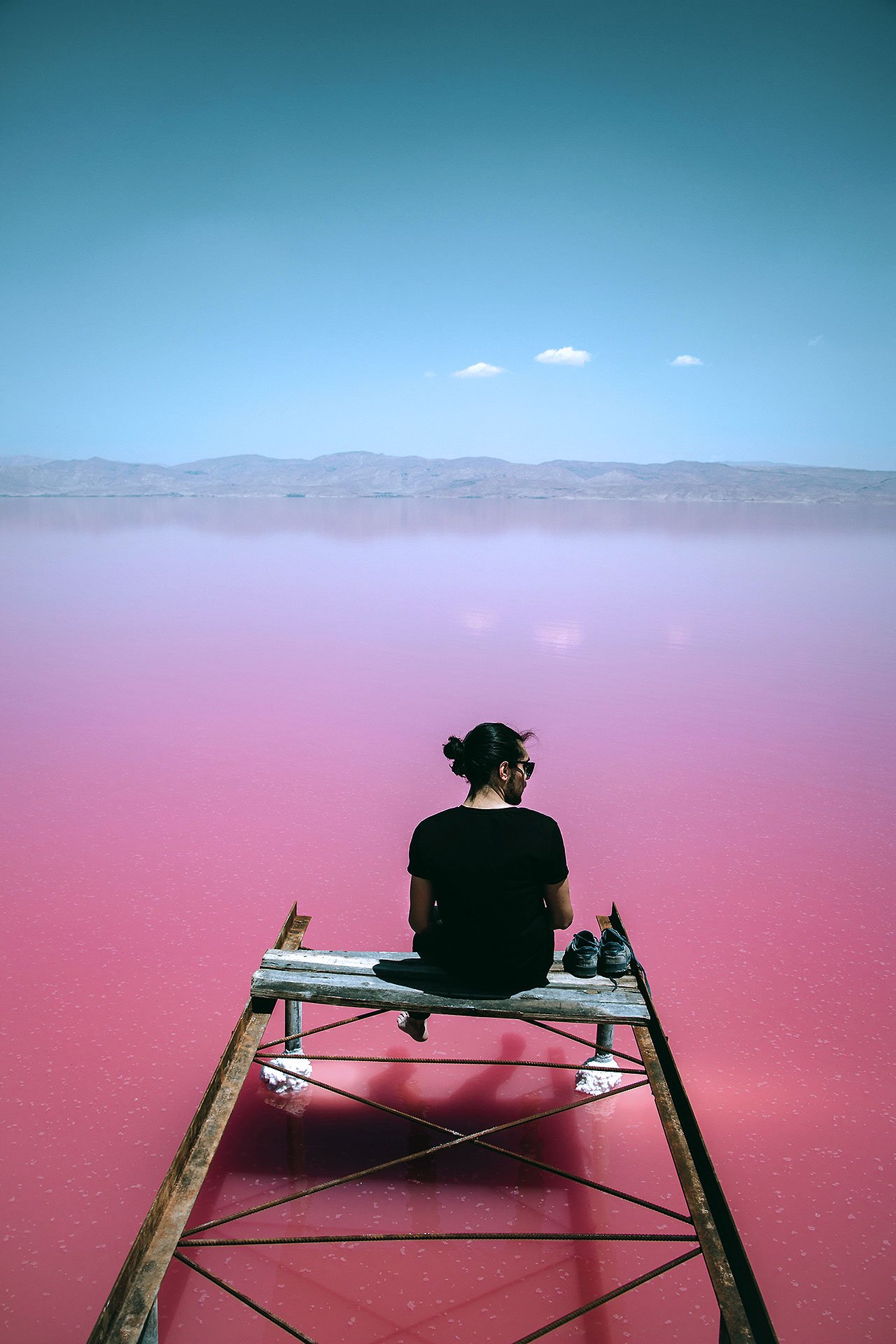
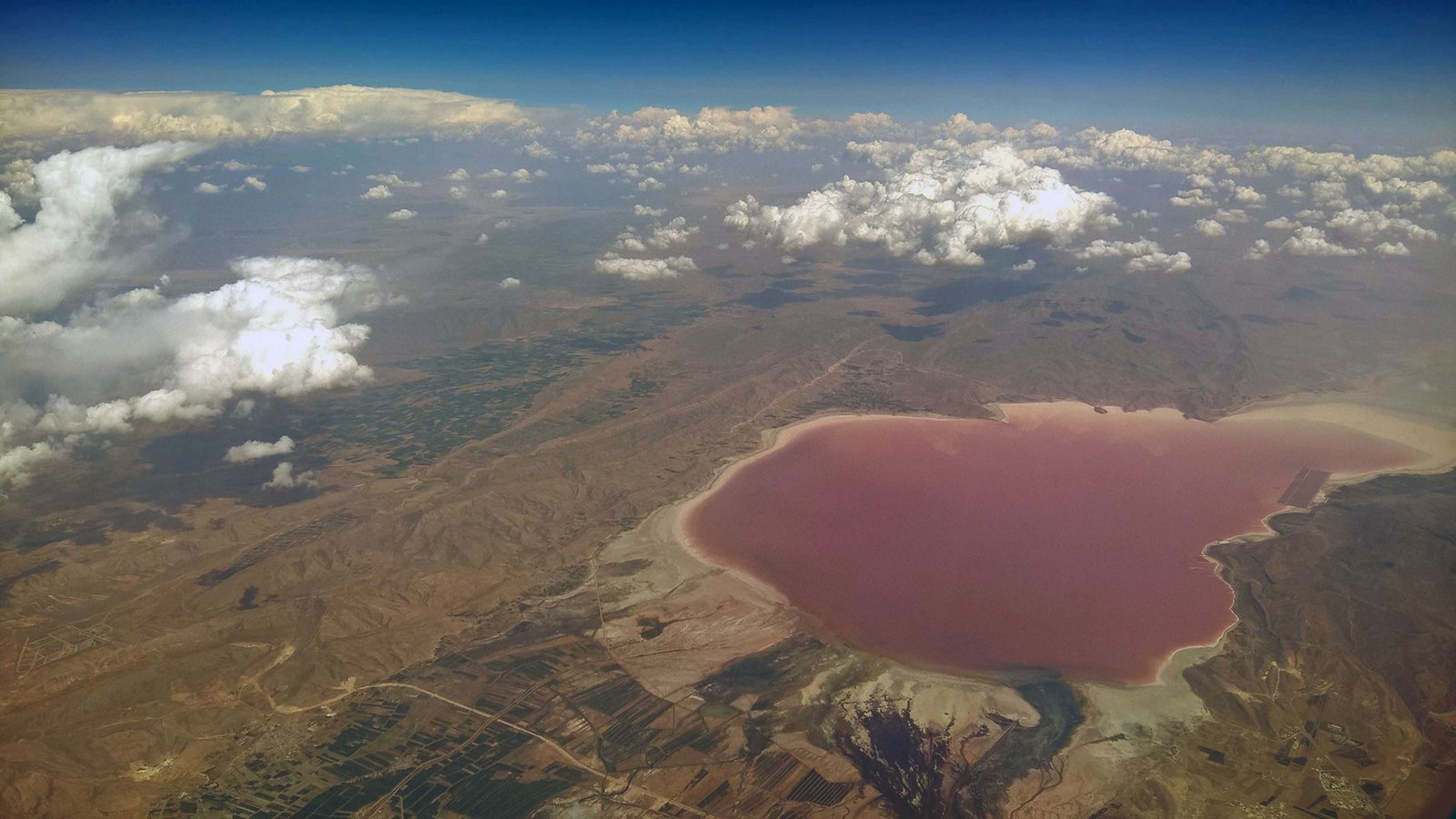
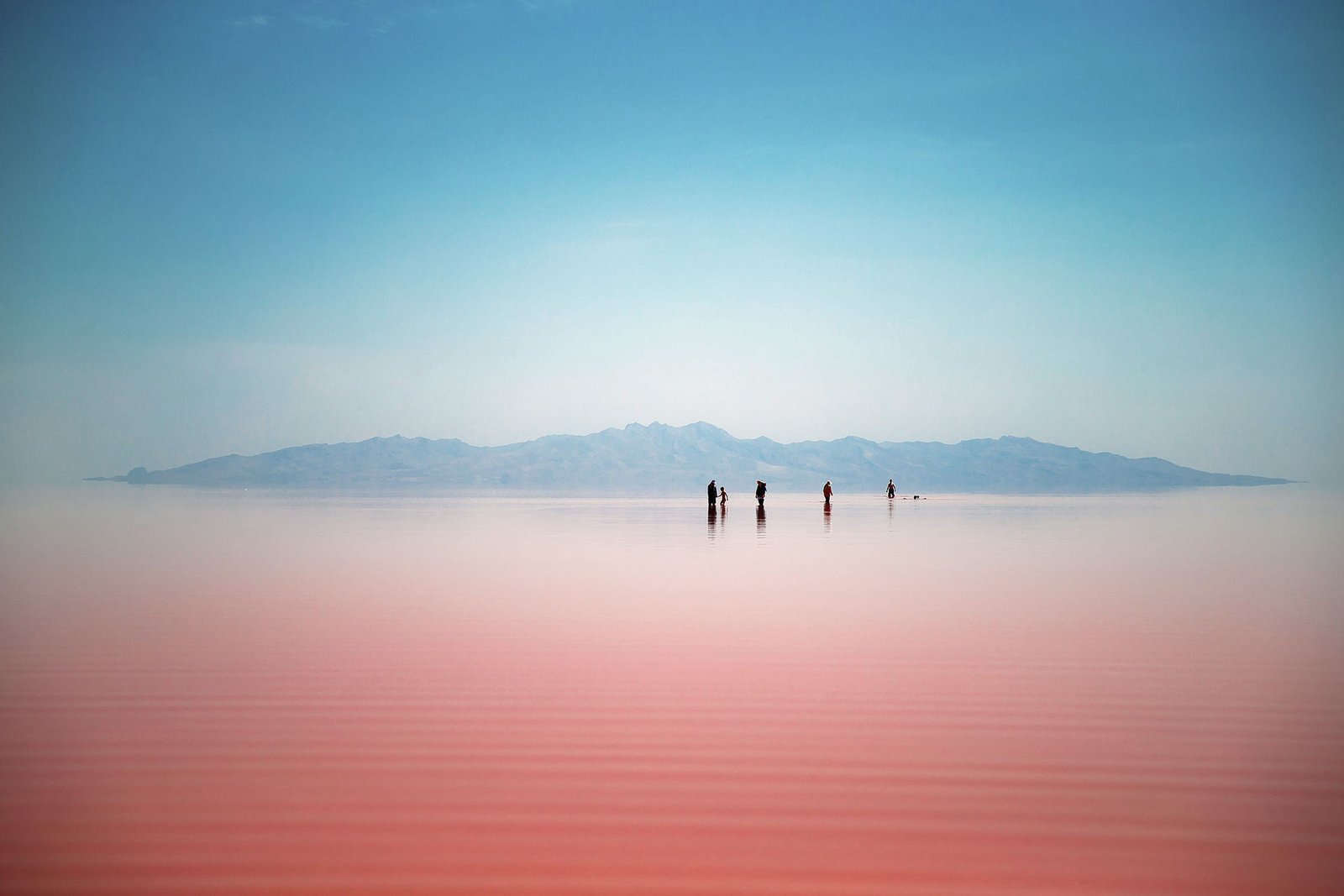
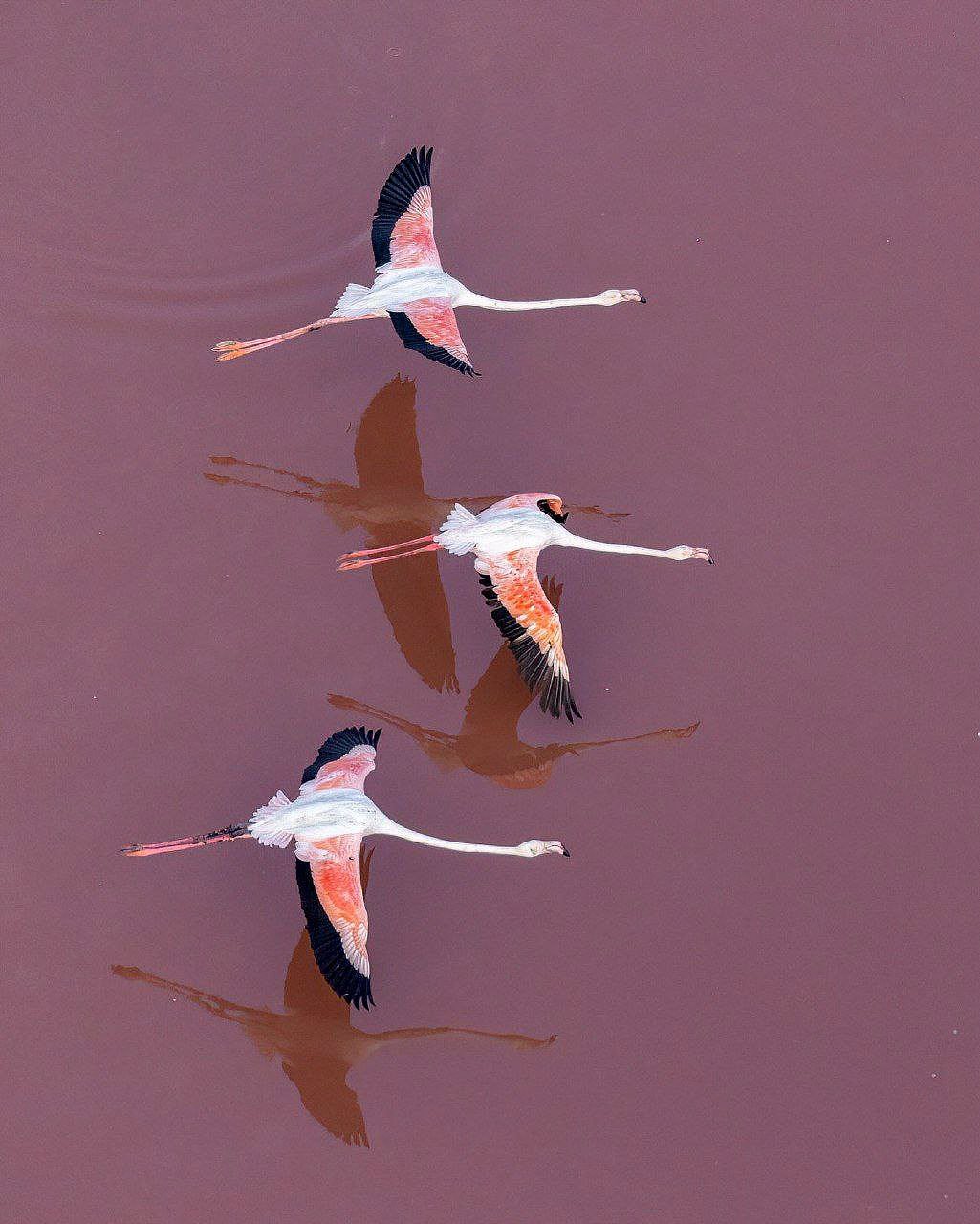
Maharloo Lake, often called the Pink Lake, is a seasonal salt lake in the open plains southeast of Shiraz. When conditions are right, the water can take on blush-to-rose tones—an effect linked to high salinity and the tiny organisms and minerals that thrive in it. At other times it may look pale, silvery, or even largely dry, revealing a wide salt crust that glitters in the sun.
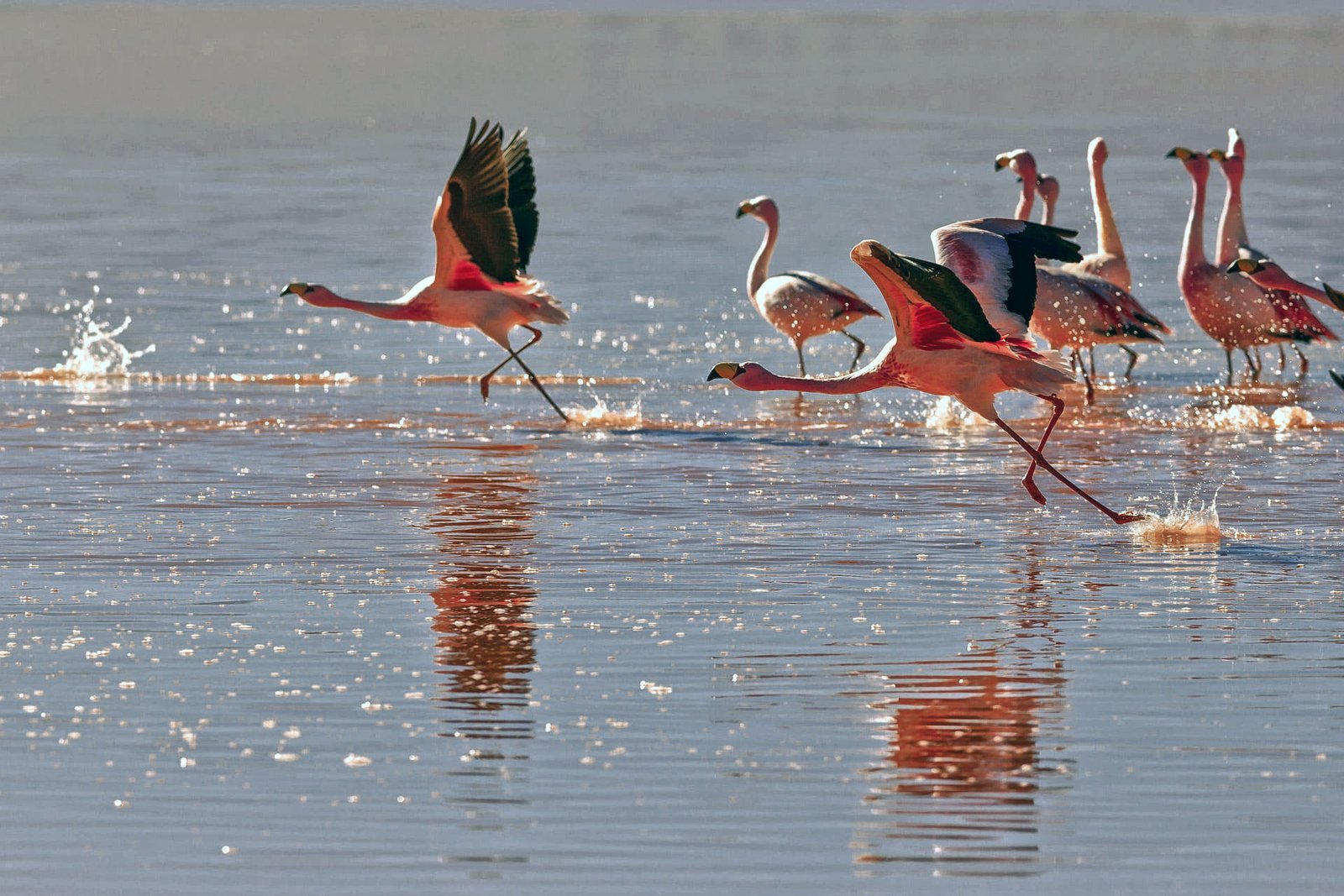
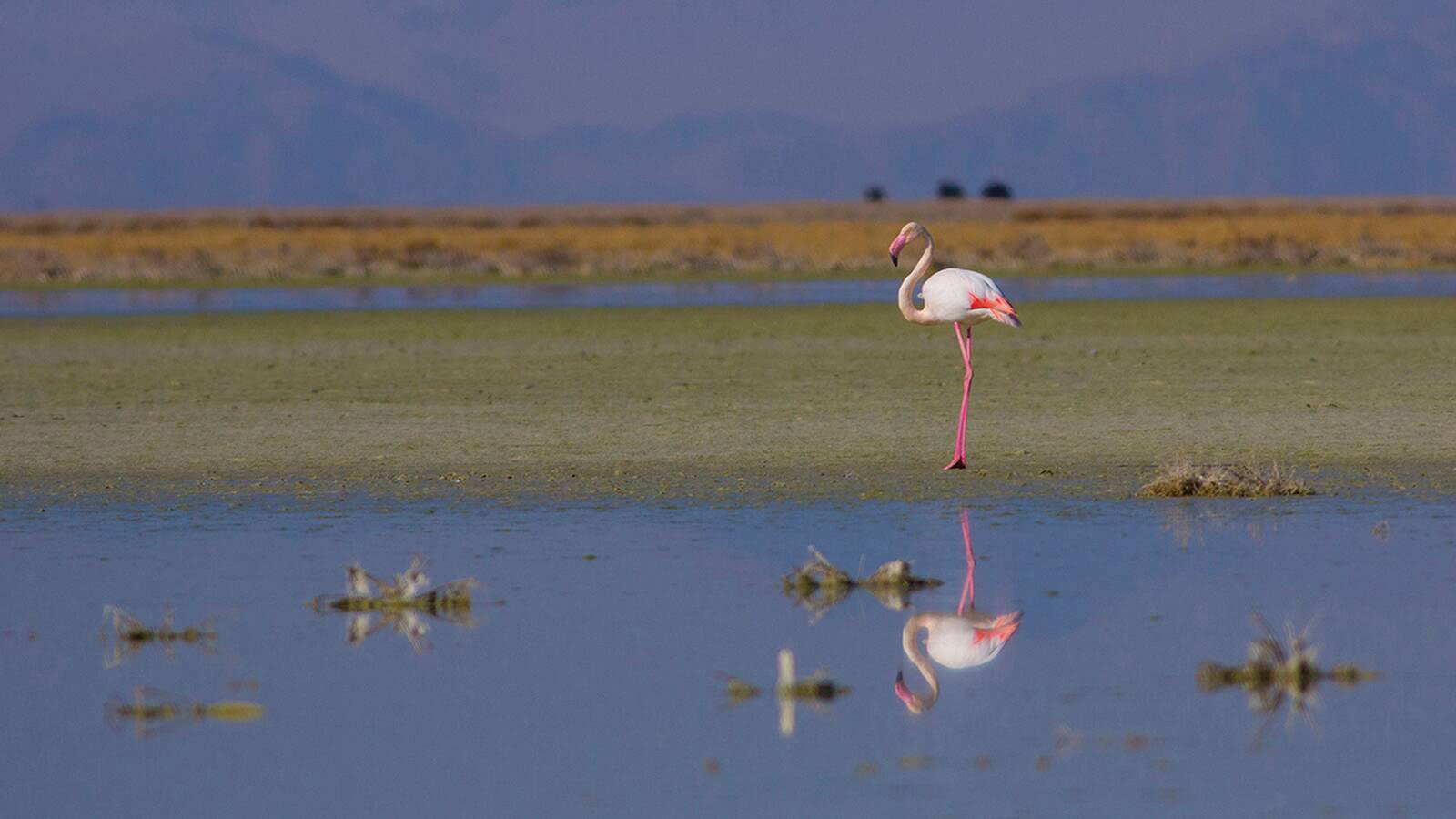
The lake sits in a broad basin framed by low hills and big skies, giving it a striking sense of space and quiet. Approaching the shoreline, visitors typically notice the changing palette across the water and salt flats, the sharp mineral scent in the air, and the patterns left by wind and evaporation—ripples, polygons, and delicate crystals underfoot. In migratory seasons, birdlife can add movement and sound to an otherwise serene landscape.
Culturally, Maharloo is woven into the identity of the Shiraz region as a familiar natural landmark and a reminder of how life here has long adapted to water scarcity and salt. Its shifting appearance has made it a favorite subject for local stories, photography, and day trips, especially around sunrise and sunset when the light softens and the lake’s colors—whether pink, white, or steel-blue—feel most dramatic.
A Glimpse Into Maharloo Lake (Pink Lake)
See Maharloo Lake (Pink Lake) Through Moments
Visitor Information
Essential Information for Visiting Maharloo Lake (Pink Lake)
Signature Tours including Maharloo Lake (Pink Lake)
We Believe Your Journey Through Maharloo Lake (Pink Lake) Should Be Personal.
No results found.
Frequently Asked Questions about Maharloo Lake (Pink Lake) and Nearby Attractions
Maharloo Lake (Pink Lake) is one of the most distinctive natural attractions near Shiraz, and timing makes a bigger difference here than gear. The pink hue can be subtle or striking depending on season, water level, salinity, and light, so it’s worth building flexibility into your plan.
For color and texture, aim for low-angle light—early morning or late afternoon—when the lake surface and salt crust show more detail and glare is reduced. Midday sun can wash out the pink tones and make reflections harsher, especially if there’s wind. If you’re photographing people, backlighting at golden hour can help separate subjects from the bright salt flats.
Choose viewpoints based on conditions: when water is present, look for shallow edges that mirror the sky; when the lake is drier, the salt patterns become the main subject. Wear closed shoes you don’t mind getting dusty or salty, and avoid stepping onto areas that look soft or muddy. Conditions change quickly, so confirm access, road surface, and any local guidance before you go, and carry water and sun protection.
Maharloo Lake (Pink Lake) near Shiraz is an exposed salt-lake landscape, so comfort and protection matter as much as sightseeing. Even on mild days, sun glare off the salt can feel intense, and the ground can be uneven or crusty in places.
Wear closed-toe shoes with a sturdy sole you don’t mind getting dusty or salty; sandals tend to slip and offer little protection. Pack sunglasses, sunscreen, and a hat, plus a light layer for wind—conditions can change quickly around open water and flats.
Bring more drinking water than you think you’ll need and a small snack, since services near the lake may be limited. Wet wipes or a small towel help with salt residue on hands and gear, and a simple plastic bag is useful for protecting cameras and phones from fine salt dust.
If you plan to step onto the salt crust, move slowly and avoid areas that look dark, soggy, or recently disturbed. It’s wise to ask locally about safe access points and any temporary restrictions before walking far from the roadside.
From Shiraz, Maharloo Lake (Pink Lake) is typically reached by road, making it a straightforward half-day outing if you’re already based in the city. Most travelers go by taxi/ride-hailing, a hired driver, or a private tour—options that are often more flexible than relying on limited public transport.
The final approach is usually on smaller local roads, and conditions can vary with weather and maintenance. After rain, sections near the shoreline may become muddy or rutted, and some drivers will stop short of the waterline to avoid getting stuck. If you’re self-driving, aim for daylight travel, keep fuel topped up, and be cautious of salt-crusted surfaces that can look firm but hide soft ground.
Ask your driver to take you to a safe pull-off or a commonly used access point rather than attempting to drive onto the lakebed. Mobile reception can be patchy in places, so it’s wise to agree on a pickup point and time in advance. If you’re unsure about the best access on the day, confirm locally in Shiraz—hotels and drivers usually know which routes are currently easiest.
Tehran has several easy, city-based ways to get a Nature & Wildlife fix, especially along its greener northern edge. Start with Darband or Darakeh valley trails for a quick escape into mountain air, seasonal streams, and birdlife—go early on weekends to avoid crowds.
For a more park-focused outing, head to Jamshidieh Park for rocky paths and viewpoints, or Lavizan Forest Park for shaded walks and a calmer, local feel. If you want a longer, more “wild” day, plan a trip to the Tochal area; conditions can change quickly in the Alborz foothills, so check weather and trail status locally.
Practical tips: wear grippy shoes, bring layers, and carry water even for short hikes. Stick to marked paths, keep noise low for better wildlife spotting, and avoid feeding animals or leaving food scraps. If you’re going beyond popular paths, consider going with a local guide or experienced friend, and confirm access or any seasonal restrictions on arrival.
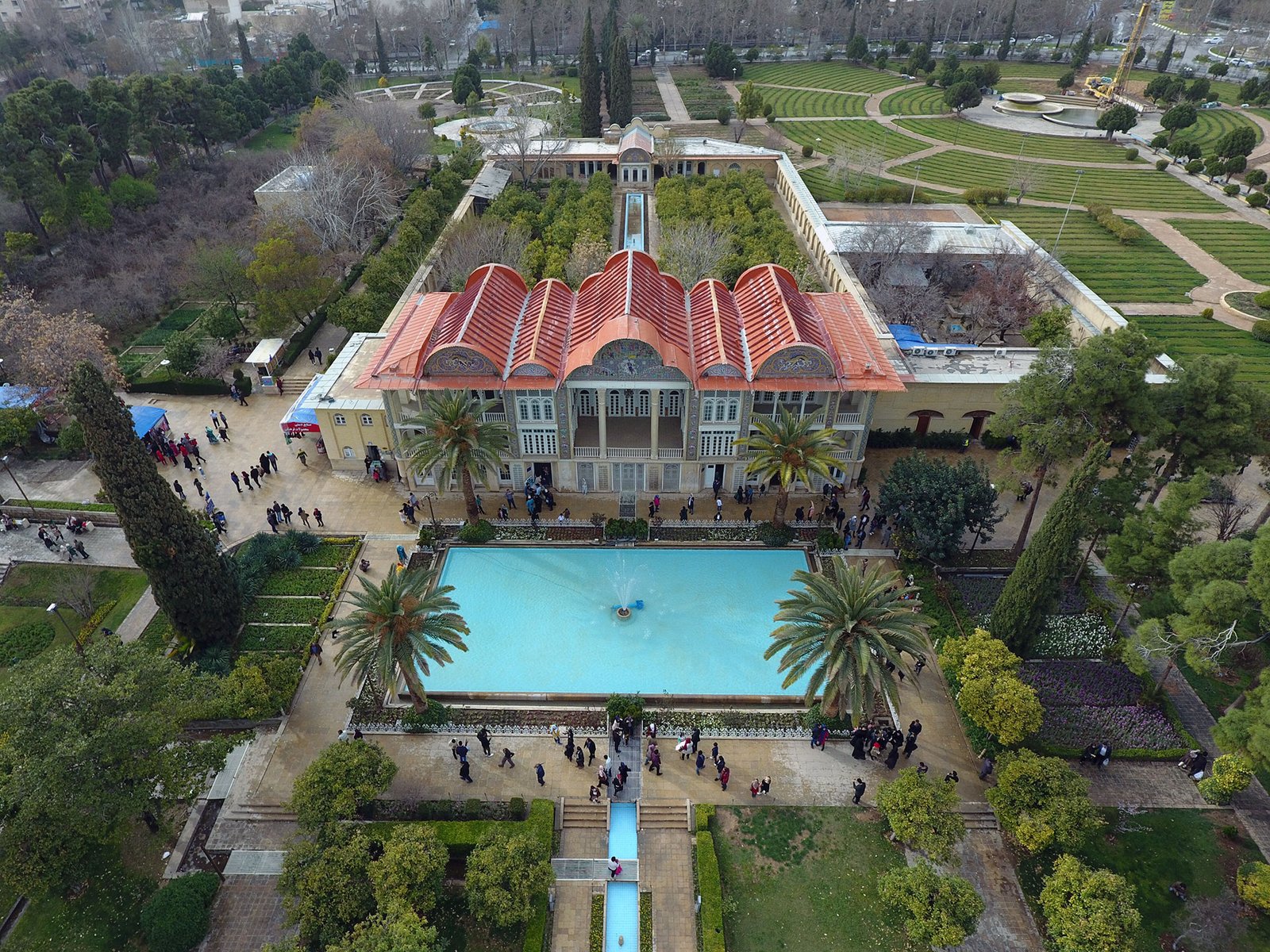
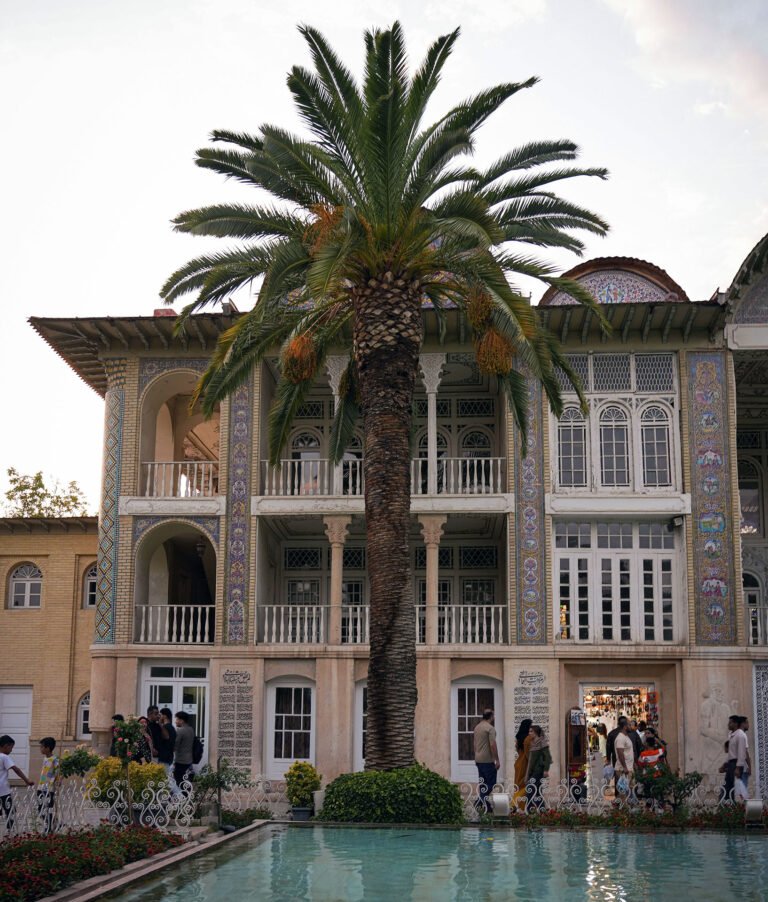
In Shiraz, Eram Garden is admired not only as a classic Persian garden but also as a snapshot of how elite garden estates evolved in the late Qajar era and into the early Pahlavi period. The garden’s long axis, water channels, and layered planting are designed to guide your eye toward the pavilion, where architecture becomes part of the landscape.
The pavilion’s façade is often the detail visitors remember most: colorful tilework with narrative scenes and ornamental motifs that reflect tastes of the time, blending courtly imagery with decorative pattern. Look closely at how the tiles frame windows and balconies—these borders act like visual “rugs,” turning the building into a display surface as much as a residence.
On-site, the visit typically feels like a slow promenade rather than a single viewpoint. Paths can be a mix of stone and compacted surfaces, and you’ll likely pause often for photos—just be mindful of planted beds and any roped-off areas around the pavilion and water features. Photography is generally part of the experience, but it’s wise to follow posted guidance and be considerate around families and students who also use the garden as a quiet retreat.