

Discover the Treasures of Iran
Badab e Surt
Terraced Travertine Springs In Vivid Hues
- Attractions
- Badab e Surt
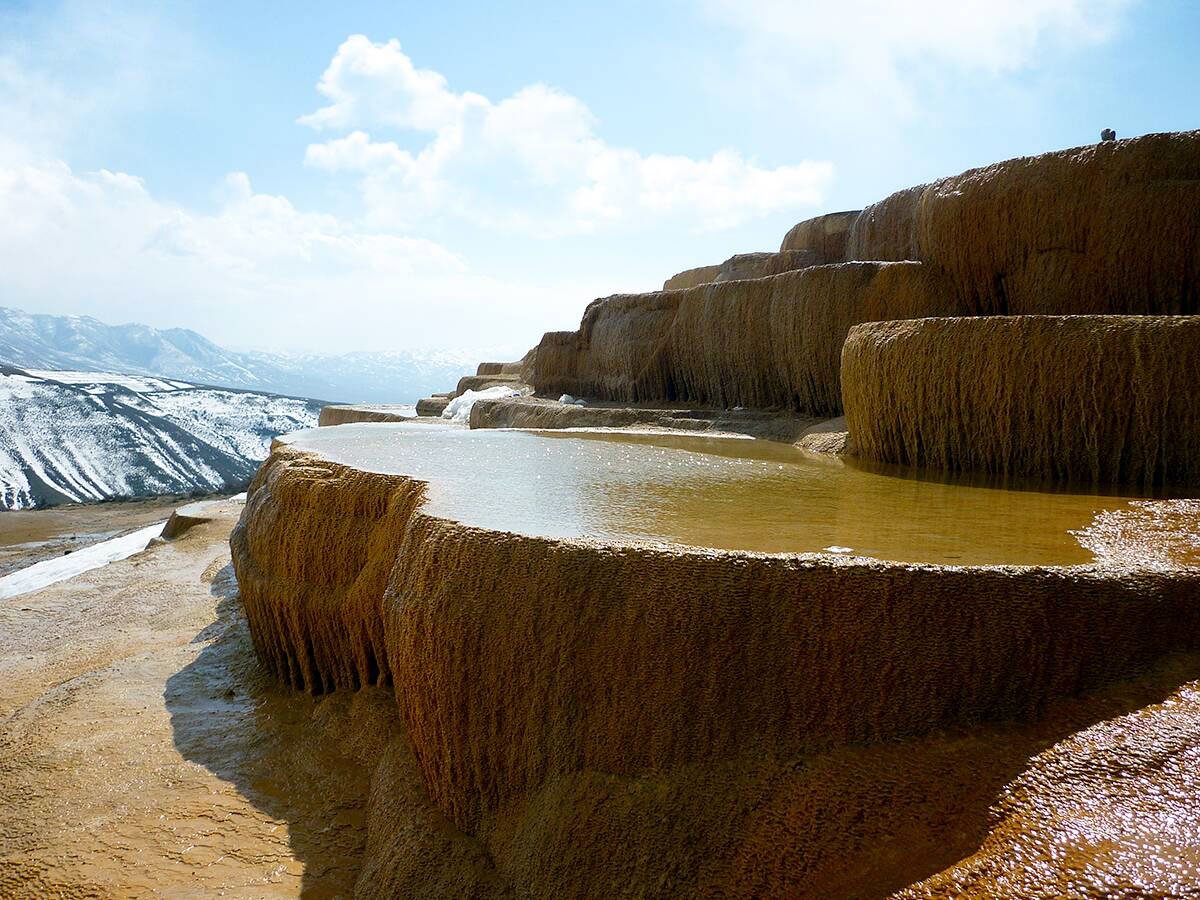
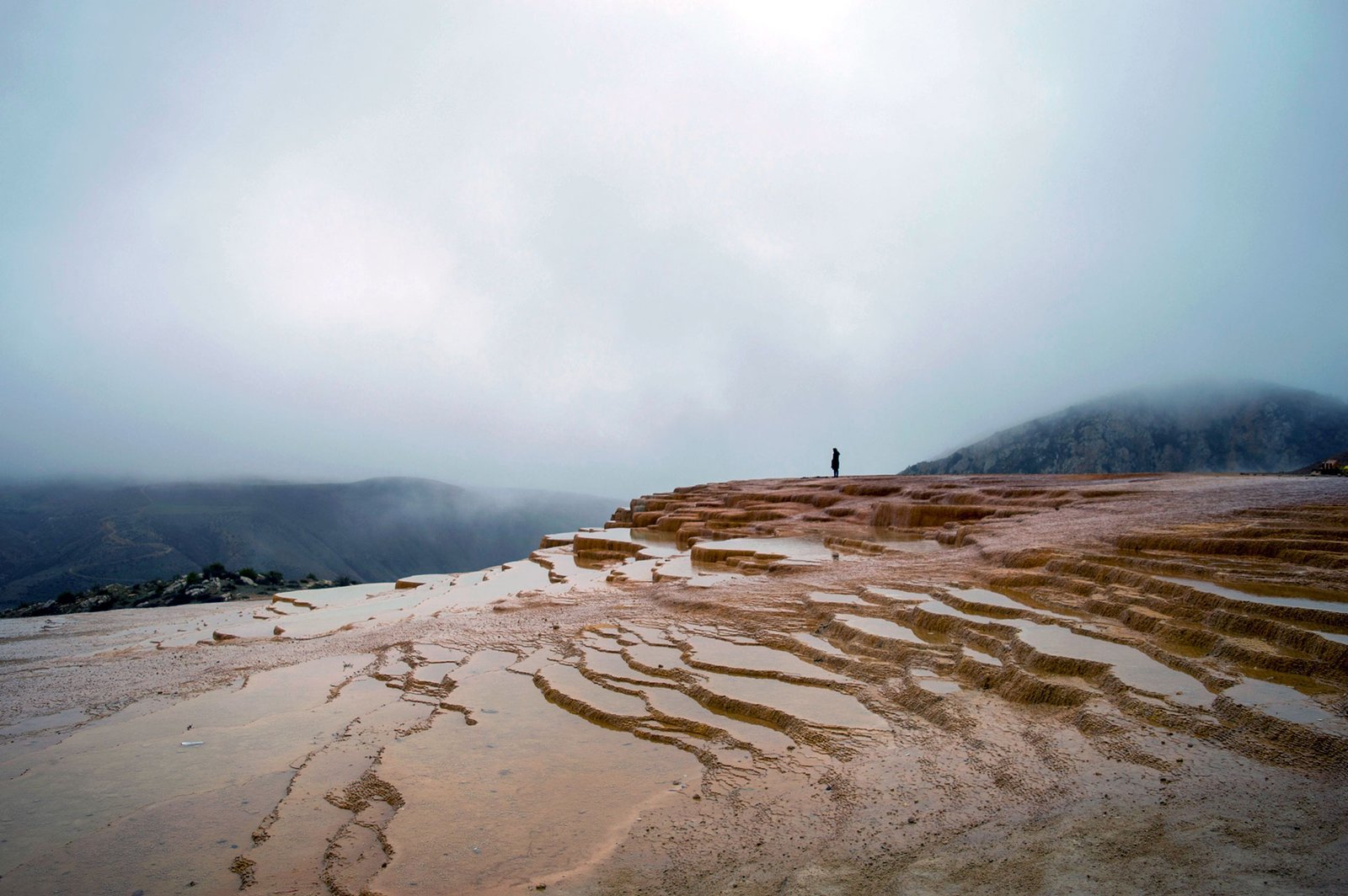
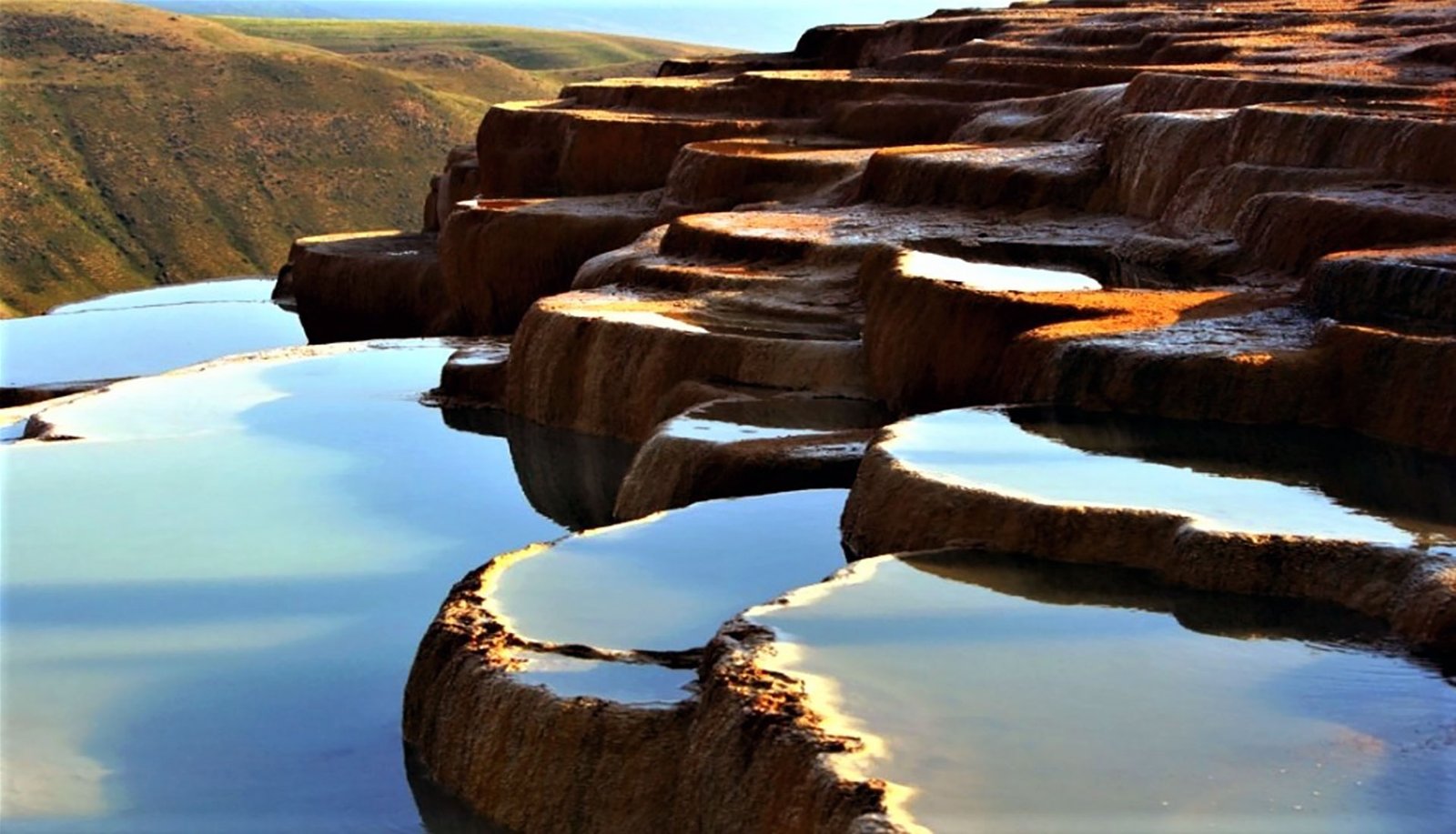
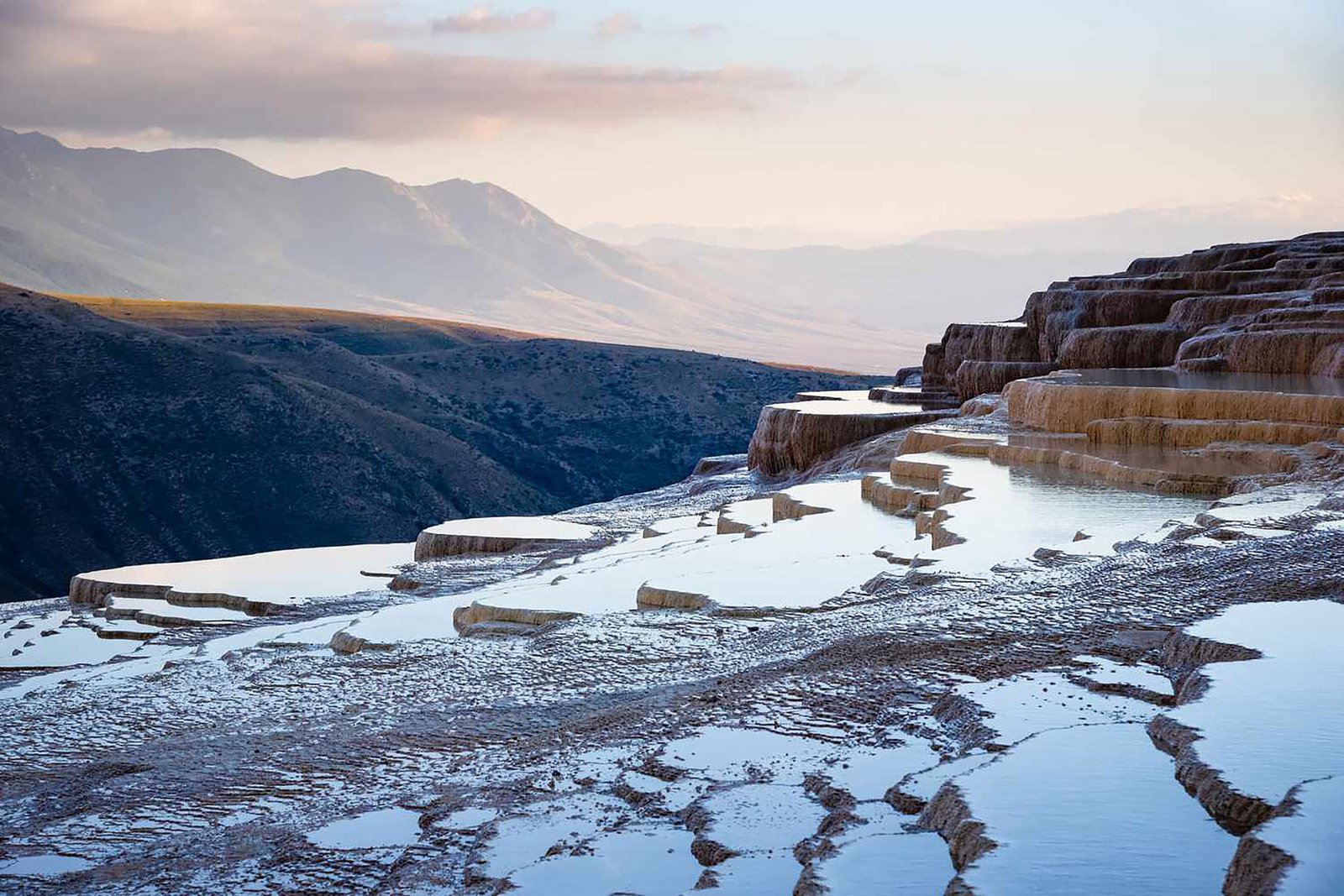
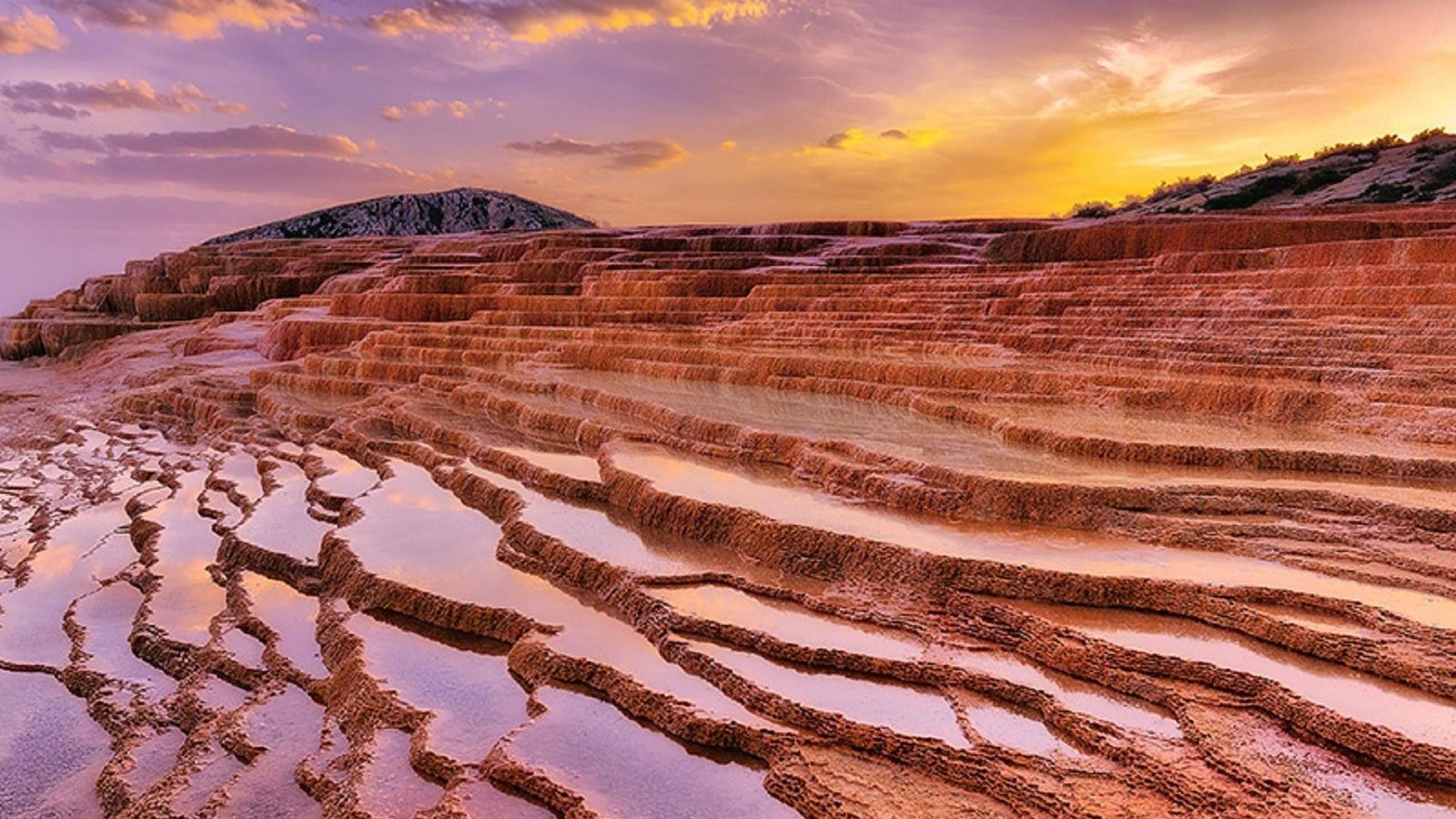
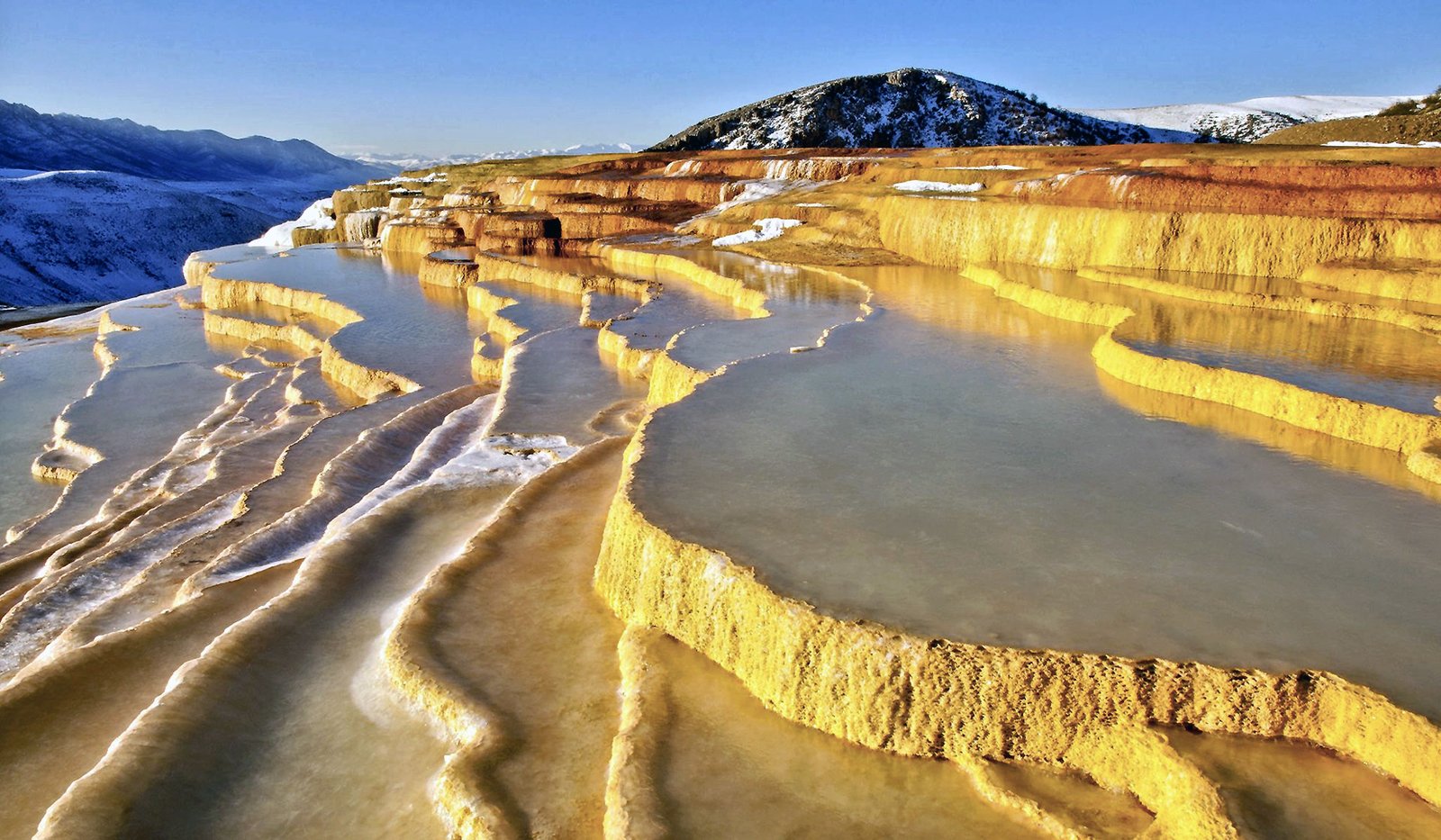
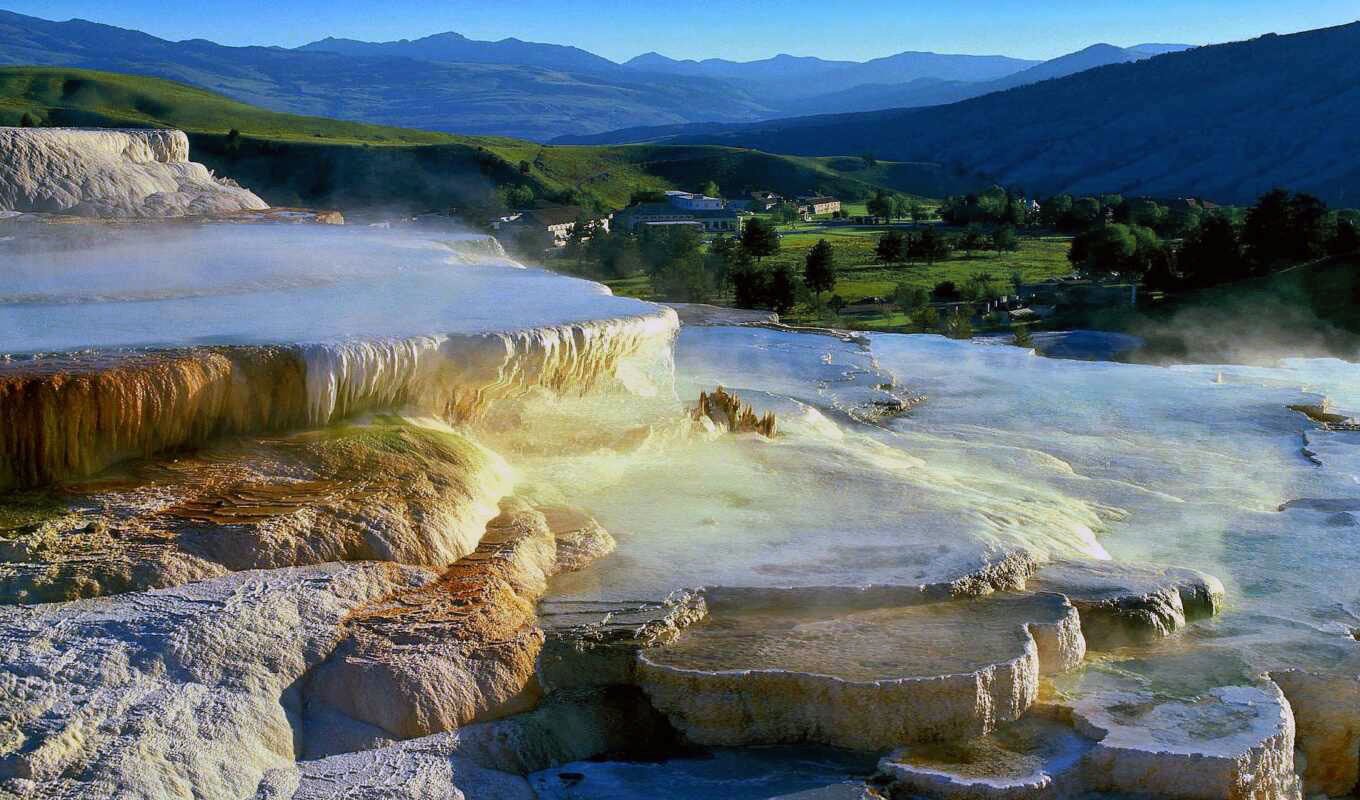
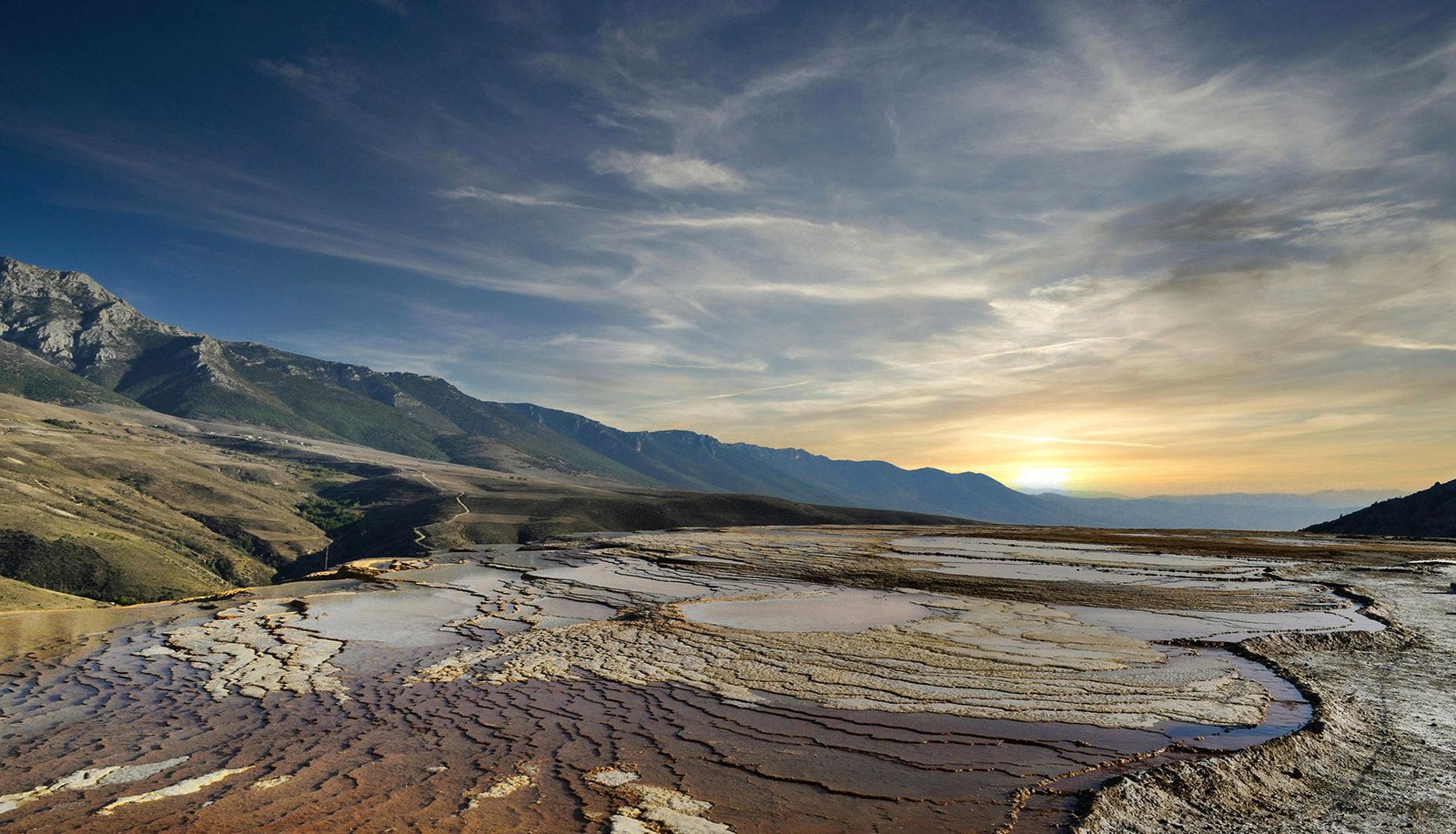
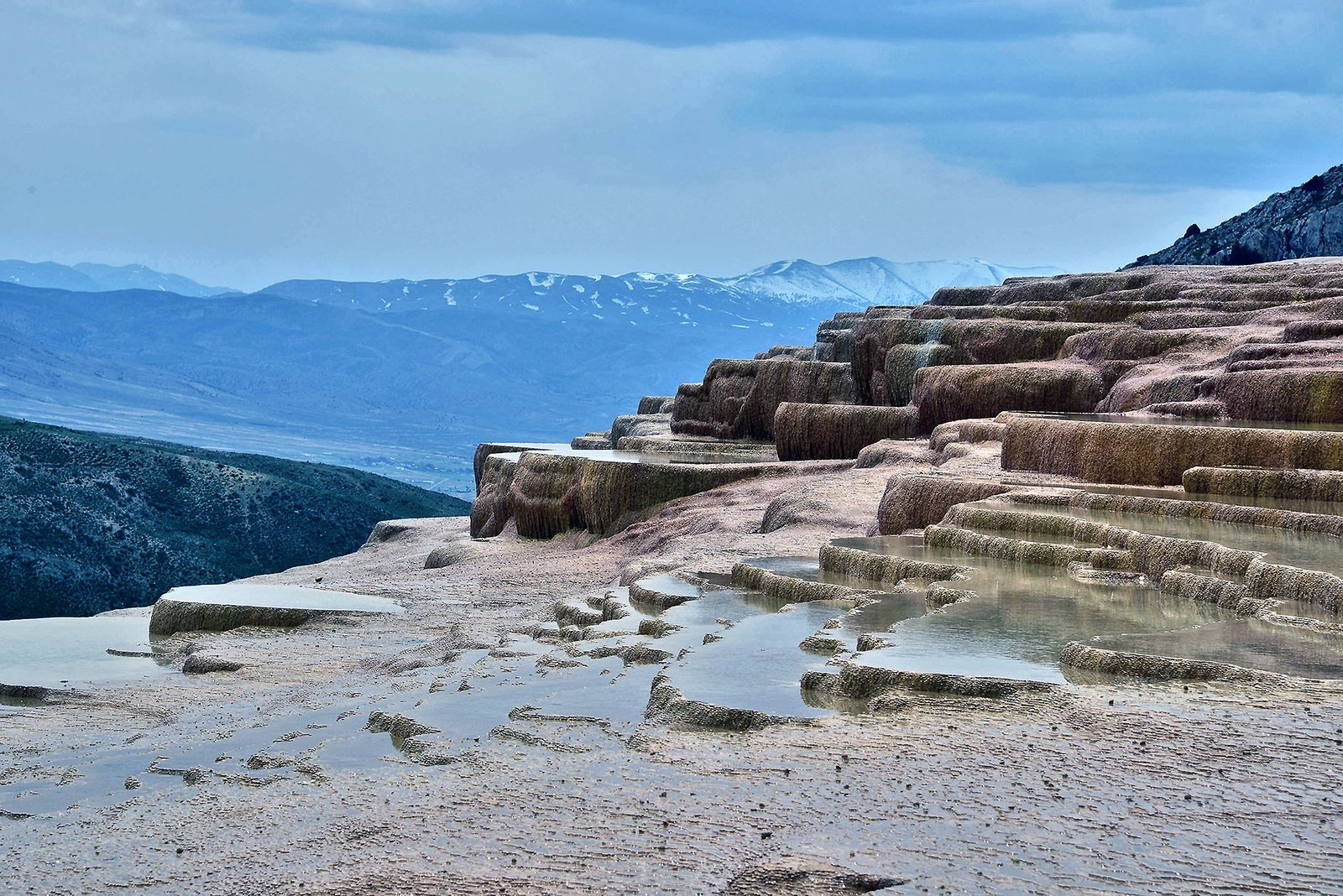
Badab-e Surt is one of Iran’s most distinctive natural formations: a stepped cascade of mineral terraces shaped over centuries by springs rich in salt and other sediments. As the water seeps and flows, it leaves behind layered ridges and shallow pools, creating a living landscape that subtly changes with light, season, and the pace of the springs themselves.
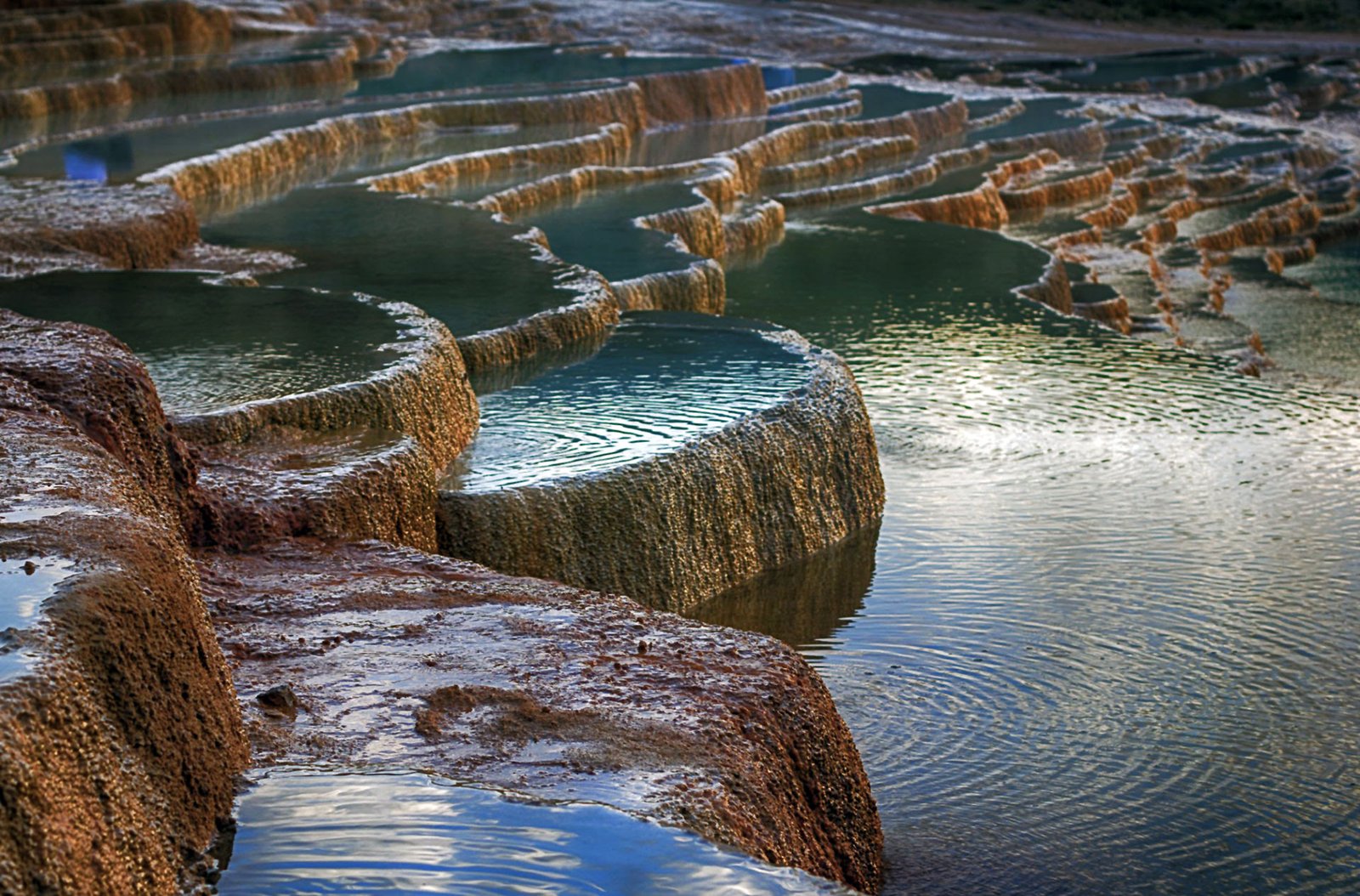
Set in the hills of Mazandaran, not far from rural villages and forested slopes, the terraces feel both remote and intimate—an open-air amphitheater of stone and water overlooking wide, quiet valleys. The setting is especially striking at sunrise and sunset, when the pools can reflect the sky and the mineral surfaces take on warm tones that range from pale cream to amber and rust.
Beyond its visual drama, Badab-e Surt holds cultural value as a locally cherished landmark and a symbol of the region’s uncommon geology. It’s often spoken of with pride as a rare natural “stairway” of springs, and for many travelers it becomes a memorable counterpoint to Iran’s architectural heritage—proof that the country’s artistry also appears in nature.
Visitors typically notice the crisp, textured patterns underfoot, the delicate rims that separate each pool, and the contrast between still, glassy water and the rough mineral crust around it. The air can carry a faint mineral scent, and even in silence the place feels active—shaped drop by drop, terrace by terrace.
A Glimpse Into Badab e Surt
See Badab e Surt Through Moments
Visitor Information
Essential Information for Visiting Badab e Surt
Bring enough drinking water and a small snack, plus sun protection (hat, sunglasses, sunscreen). Shade is limited and conditions can change quickly.
Dress respectfully and choose practical layers. A light scarf or extra layer helps with sun, wind, and local norms.
Protect the site: avoid walking in the pools or on delicate formations, and don’t leave any trash behind—pack out everything you bring.
Plan your photography with care: keep a respectful distance from other visitors, ask before photographing people, and avoid blocking narrow paths while setting up shots.
Carry a small daypack with basics like a light rain/wind shell, tissues, and a power bank—services nearby can be limited.
Signature Tours including Badab e Surt
We Believe Your Journey Through Badab e Surt Should Be Personal.
No results found.
Frequently Asked Questions about Badab e Surt and Nearby Attractions
Badab-e Surt is one of Iran’s most distinctive natural attractions, known for its terraced mineral springs and striking colors. Because the formations are fragile, the best visit is a low-impact one: plan to look, photograph, and walk carefully rather than climb around.
Try to arrive in soft light (early morning or late afternoon) for clearer colors and more flattering photos. Conditions can change with season and recent rainfall, so the terraces may look different from day to day. If you’re set on a specific look or viewpoint, ask locally what the site is like that week.
Wear sturdy shoes with good grip—the ground can be uneven, wet, or slippery around mineral deposits. Stay on existing paths or firm ground where possible, avoid stepping on the travertine rims, and keep distance from the spring edges. Pack out all litter, and consider bringing a small bag for any trash you find.
Facilities and access can be limited in the area, so carry water, sun protection, and a light layer for wind. If you’re visiting by car, confirm road conditions locally, especially after rain, and consider a local driver or guide if you prefer straightforward navigation.
Badab-e Surt is an outdoor attraction with exposed travertine terraces, so pack for sun, wind, and uneven ground. Conditions can shift quickly, especially around sunrise or sunset when many travelers aim for the best light.
Prioritize sturdy, closed-toe shoes with good grip; the mineral surface can be slick in spots and the approach may be rocky. Bring layers (a light insulating layer plus a windbreaker), sunglasses, and high-SPF sunscreen—there’s little shade. A small daypack with water and salty snacks helps, as services near the site can be limited depending on the season.
Badab-e Surt is most photogenic when low-angle light skims the terraced pools, bringing out the orange and rust mineral tones. In practice, that usually means aiming for sunrise or late afternoon rather than midday, when harsh overhead light can flatten texture and reduce contrast.
If you’re planning photography, build in extra time for the short walk from the parking area and for careful footing on uneven, mineral-crusted surfaces. A tripod can help for blue-hour shots, but wind can be a factor on the exposed hillside, so keep your setup stable and avoid blocking narrow paths.
For cleaner compositions, arrive early to minimize crowds and footprints around the pools. Conditions change with season and recent rainfall, so if you have flexibility, ask locally about the clearest pools and the best viewpoint on the day you visit.
Tehran has several easy, city-based ways to get a Nature & Wildlife fix, especially along its greener northern edge. Start with Darband or Darakeh valley trails for a quick escape into mountain air, seasonal streams, and birdlife—go early on weekends to avoid crowds.
For a more park-focused outing, head to Jamshidieh Park for rocky paths and viewpoints, or Lavizan Forest Park for shaded walks and a calmer, local feel. If you want a longer, more “wild” day, plan a trip to the Tochal area; conditions can change quickly in the Alborz foothills, so check weather and trail status locally.
Practical tips: wear grippy shoes, bring layers, and carry water even for short hikes. Stick to marked paths, keep noise low for better wildlife spotting, and avoid feeding animals or leaving food scraps. If you’re going beyond popular paths, consider going with a local guide or experienced friend, and confirm access or any seasonal restrictions on arrival.