

Discover the Treasures of Iran
Eram Garden
Qajar-Era Pavilion Framed By Cypress Avenues
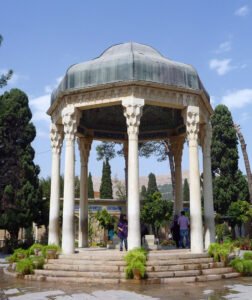
- Attractions
- Eram Garden
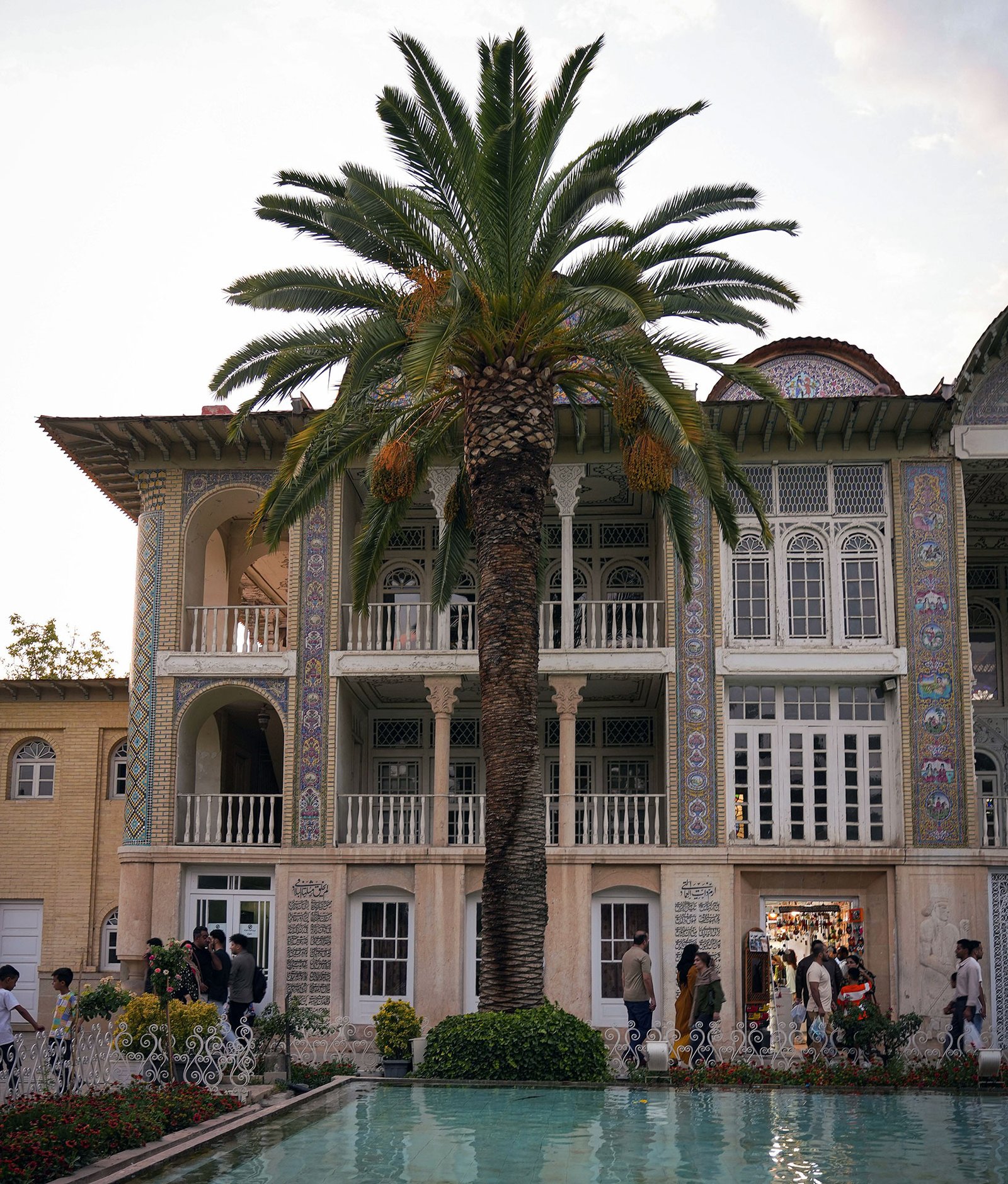
Eram Garden is one of Shiraz’s most celebrated Persian gardens—an elegant blend of architecture, botany, and poetry-like atmosphere. Set within a tranquil walled estate, it pairs long, tree-lined paths and reflective water features with a striking historic pavilion whose tilework and proportions embody the refined aesthetics that made Shiraz a cultural capital of Iran.
As a landmark, the garden reflects the enduring Persian ideal of paradise: ordered geometry, shade, and flowing water arranged to soothe the senses and frame views. Over generations, Eram has been associated with influential patrons and the city’s artistic life, and it stands today as a living expression of garden design traditions that have shaped Iran’s identity and inspired wider world heritage conversations around Persian landscapes.
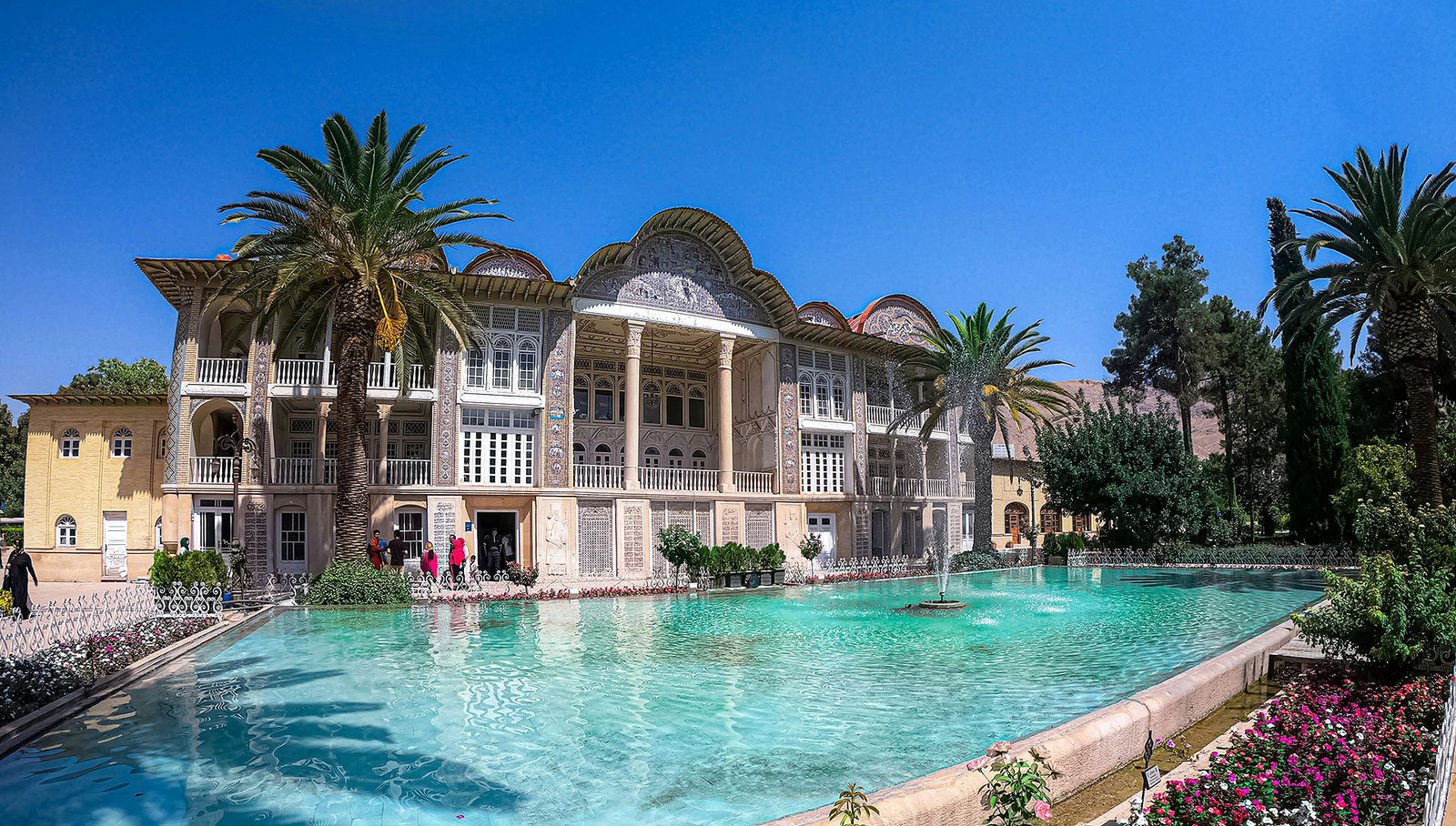
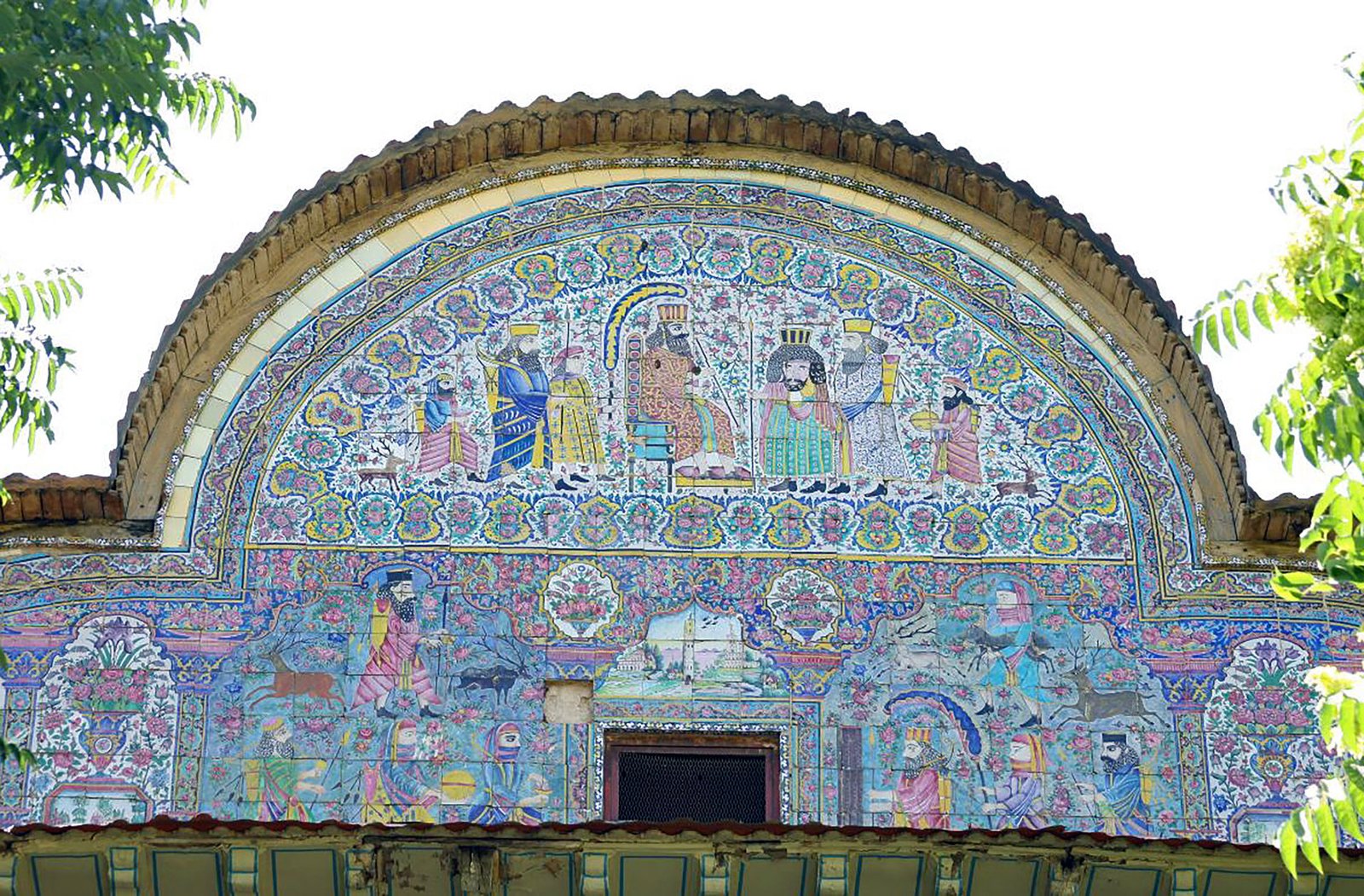
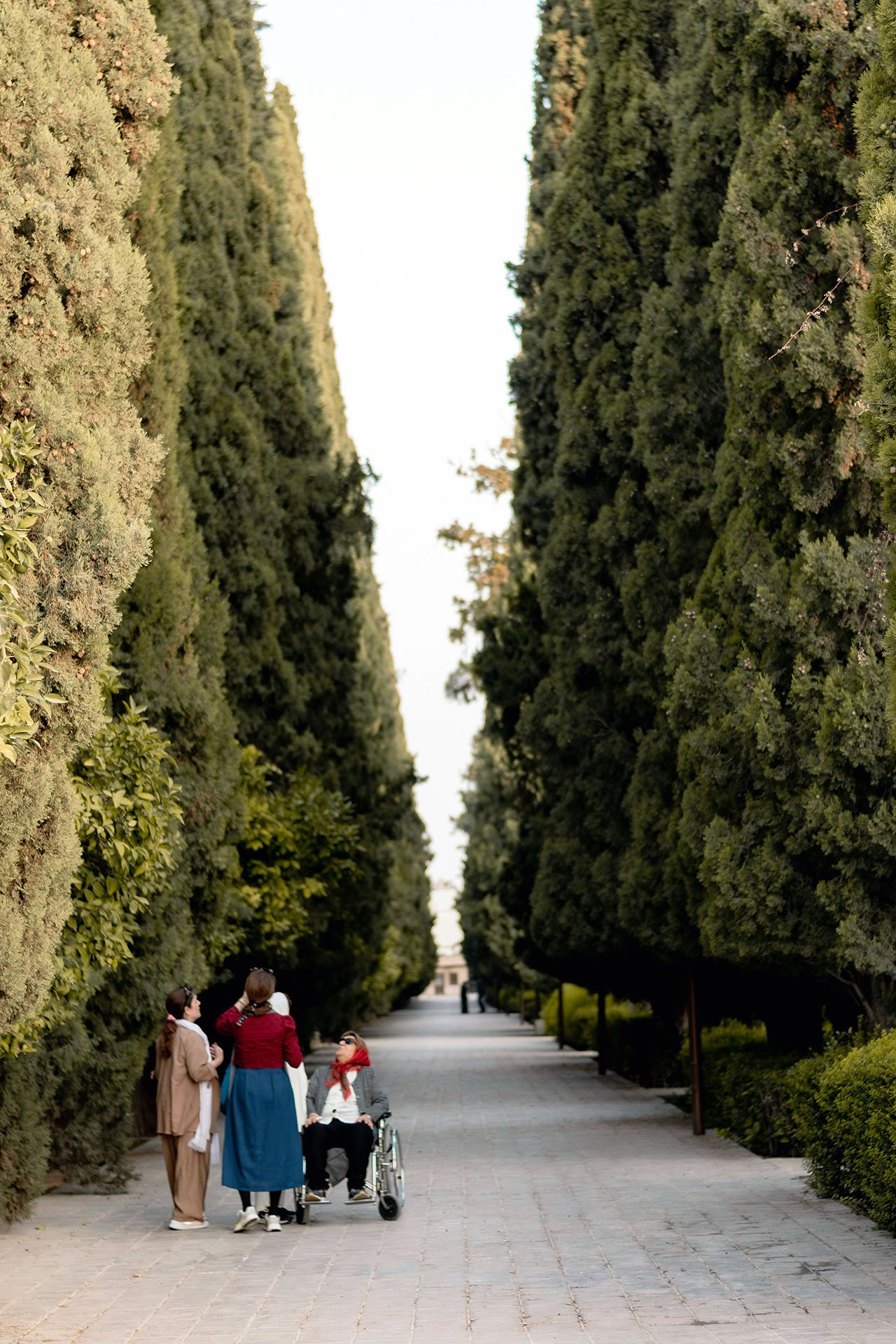
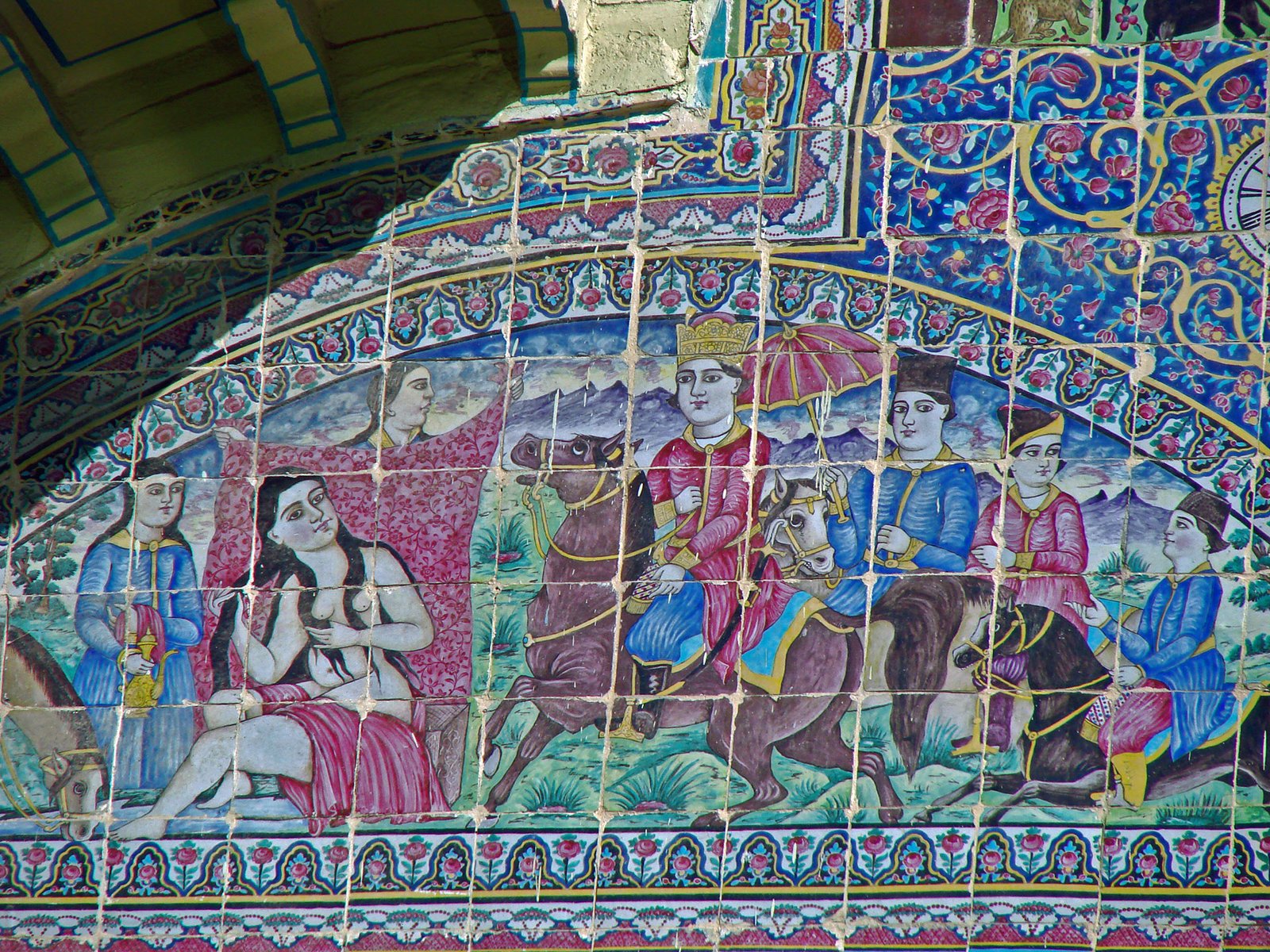
Visitors typically notice the contrast between the bright southern light and the deep shade of tall cypresses, the scent of citrus and seasonal flowers, and the calm rhythm created by pools and channels. Many linger to admire the pavilion’s decorative details—especially its colorful tile panels and symmetrical façade—before drifting along the avenues, where every turn seems designed for a photograph, a quiet pause, or a moment of reflection on Shiraz’s long history of beauty and learning.
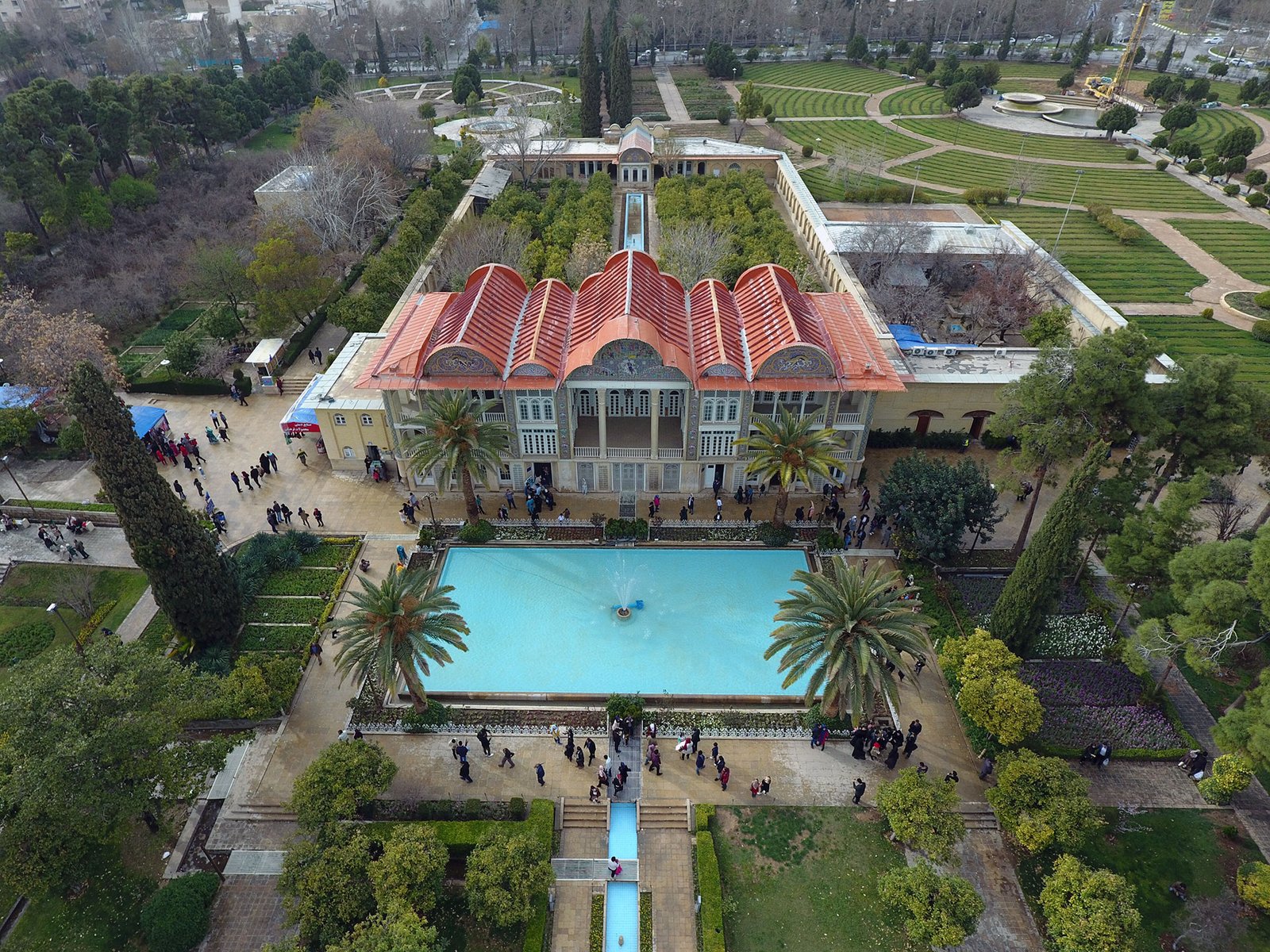

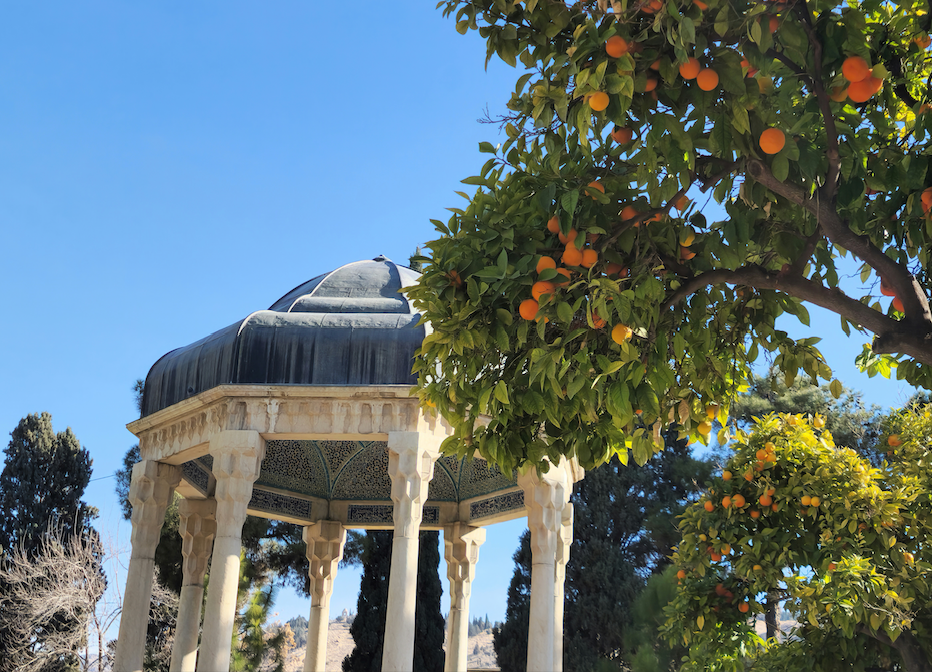
A Glimpse Into Eram Garden
See Eram Garden Through Moments

Visitor Information
Essential Information for Visiting Eram Garden
Signature Tours including Eram Garden
We Believe Your Journey Through Eram Garden Should Be Personal.
No results found.
Frequently Asked Questions about Eram Garden and Nearby Attractions
In Shiraz, Eram Garden is one of the city’s most emblematic Persian gardens—valued less as a “park” and more as a living showcase of Iranian garden design. Its importance is in how it expresses the classic Persian idea of a cultivated paradise: ordered geometry, shade, water, and fragrance working together.
As you walk, notice the strong central axis and the way paths and planting beds feel deliberately composed rather than naturalistic. Water features are typically positioned to guide your eye and cool the space, while tall cypress and layered plantings create a sense of enclosure and calm. The garden’s pavilion is a focal point; look closely at decorative details and how the building is framed by the landscape.
A visit usually feels unhurried and visual—more strolling than “seeing everything.” Surfaces are generally paved paths with garden edges and water channels, so watch your step near wet stone. Photography is often a highlight here; be mindful of other visitors when stopping on narrow paths or in front of the pavilion.
In Shiraz, Eram Garden is admired not only as a classic Persian garden but also as a snapshot of how elite garden estates evolved in the late Qajar era and into the early Pahlavi period. The garden’s long axis, water channels, and layered planting are designed to guide your eye toward the pavilion, where architecture becomes part of the landscape.
The pavilion’s façade is often the detail visitors remember most: colorful tilework with narrative scenes and ornamental motifs that reflect tastes of the time, blending courtly imagery with decorative pattern. Look closely at how the tiles frame windows and balconies—these borders act like visual “rugs,” turning the building into a display surface as much as a residence.
On-site, the visit typically feels like a slow promenade rather than a single viewpoint. Paths can be a mix of stone and compacted surfaces, and you’ll likely pause often for photos—just be mindful of planted beds and any roped-off areas around the pavilion and water features. Photography is generally part of the experience, but it’s wise to follow posted guidance and be considerate around families and students who also use the garden as a quiet retreat.