

Discover the Treasures of Iran
Si-o-Se Pol Bridge
Safavid River Crossing, Nighttime Arcade Glow
- Attractions
- Si-o-Se Pol Bridge
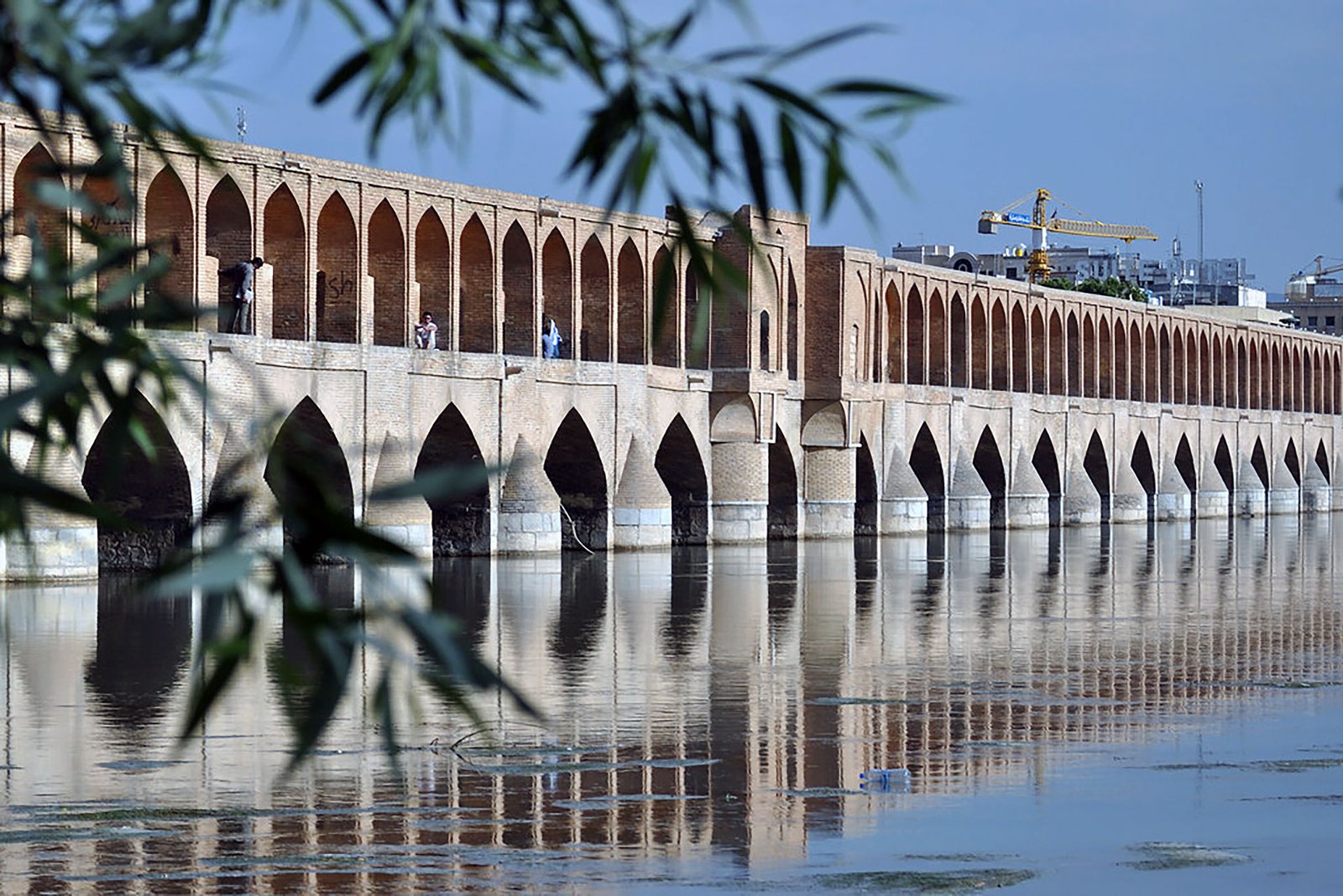
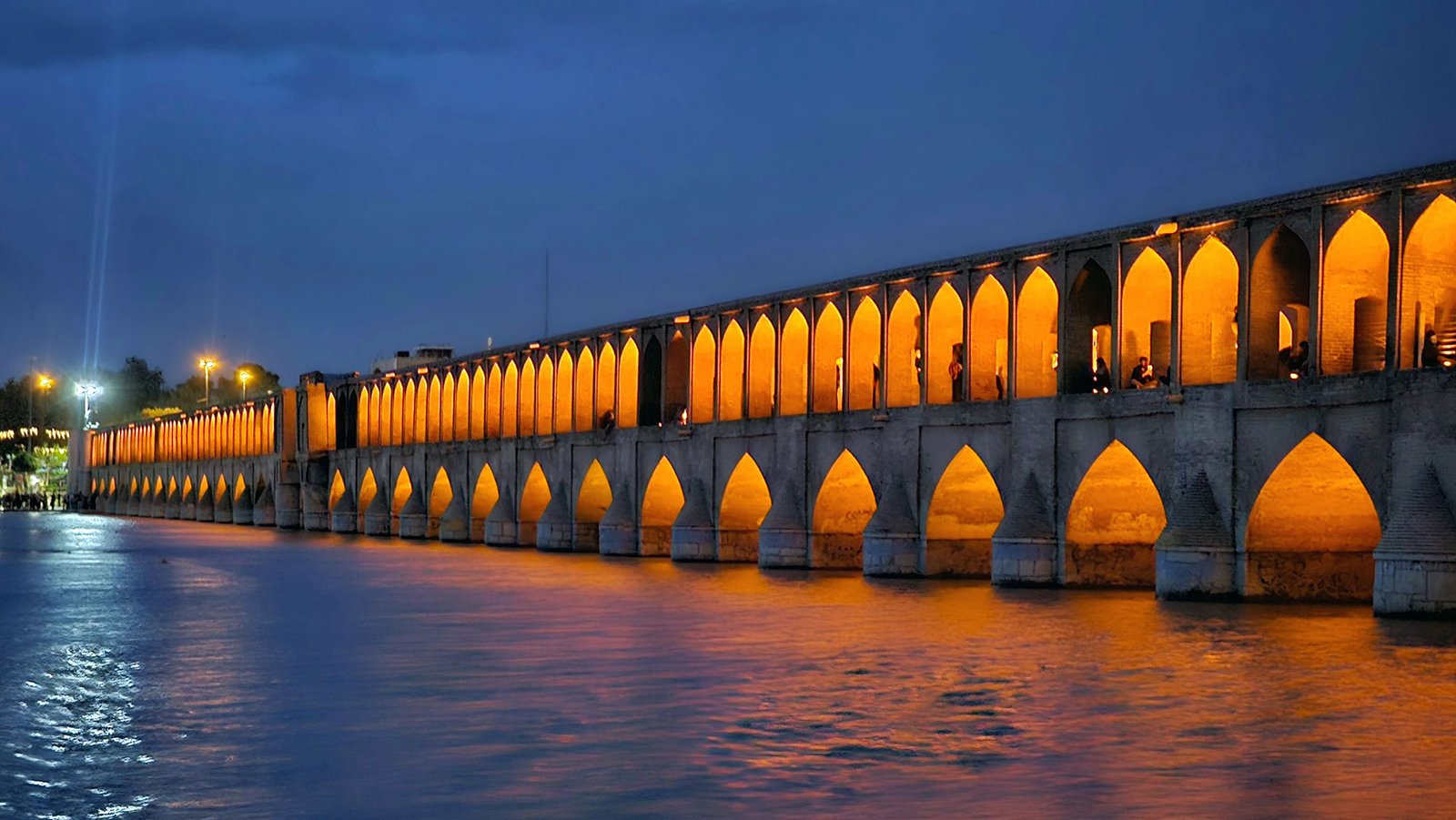
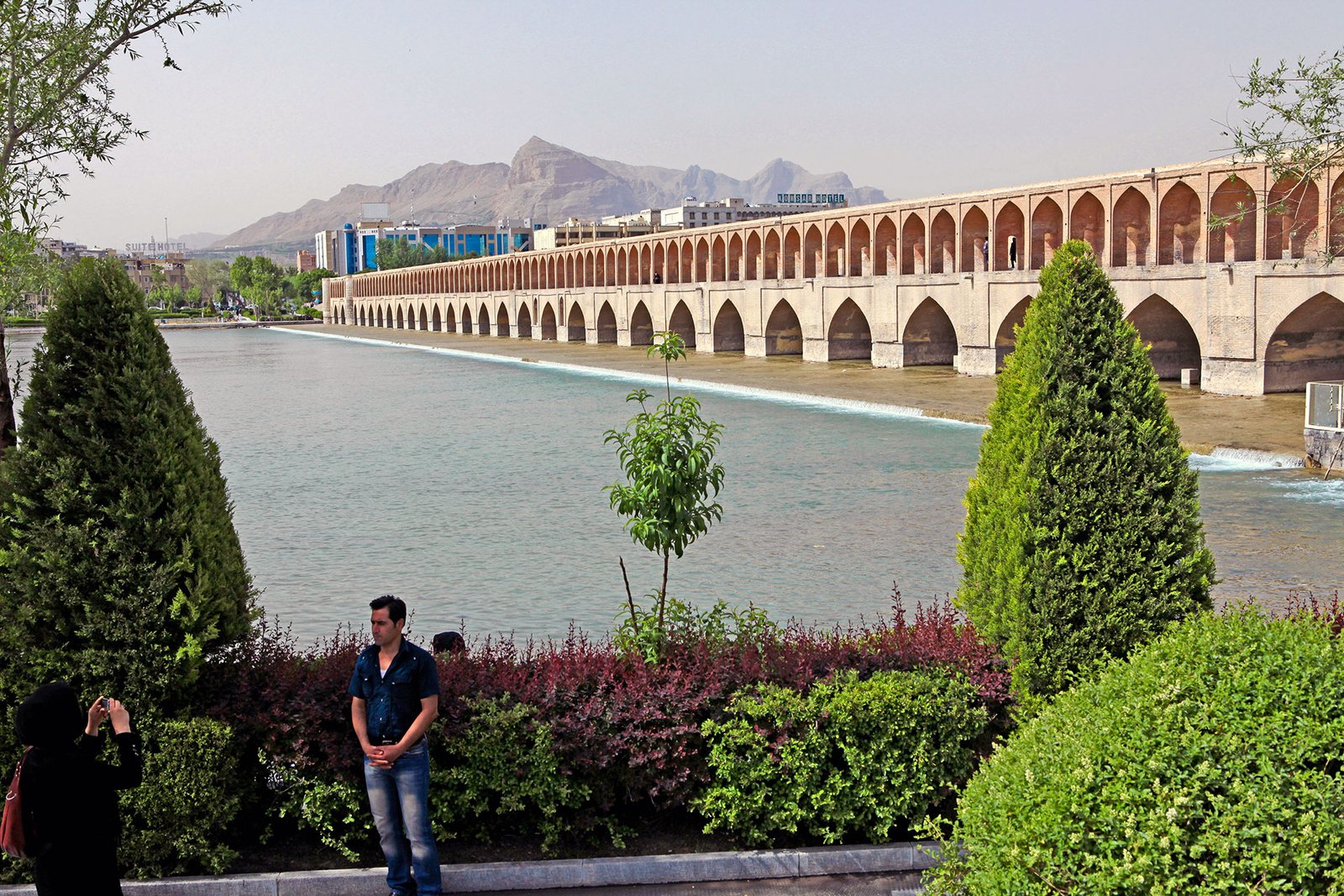
Si-o-Se Pol Bridge is one of Esfahan’s most celebrated architectural landmarks, stretching across the Zayandeh Rood with a rhythmic sequence of arches that gives the bridge its name. Built as both a crossing and a place to linger, it reads like a piece of urban design as much as an engineering work—an elegant corridor that frames views, funnels breezes, and draws people into the city’s riverfront life.
Set between tree-lined promenades, the bridge connects historic quarters and opens onto a landscape that has long shaped Esfahan’s identity. Its Safavid-era pedigree ties it to a period when the city was a capital of art, planning, and ceremonial grandeur, and the bridge’s long, low profile reflects that taste for measured proportions and public spaces meant to be shared.
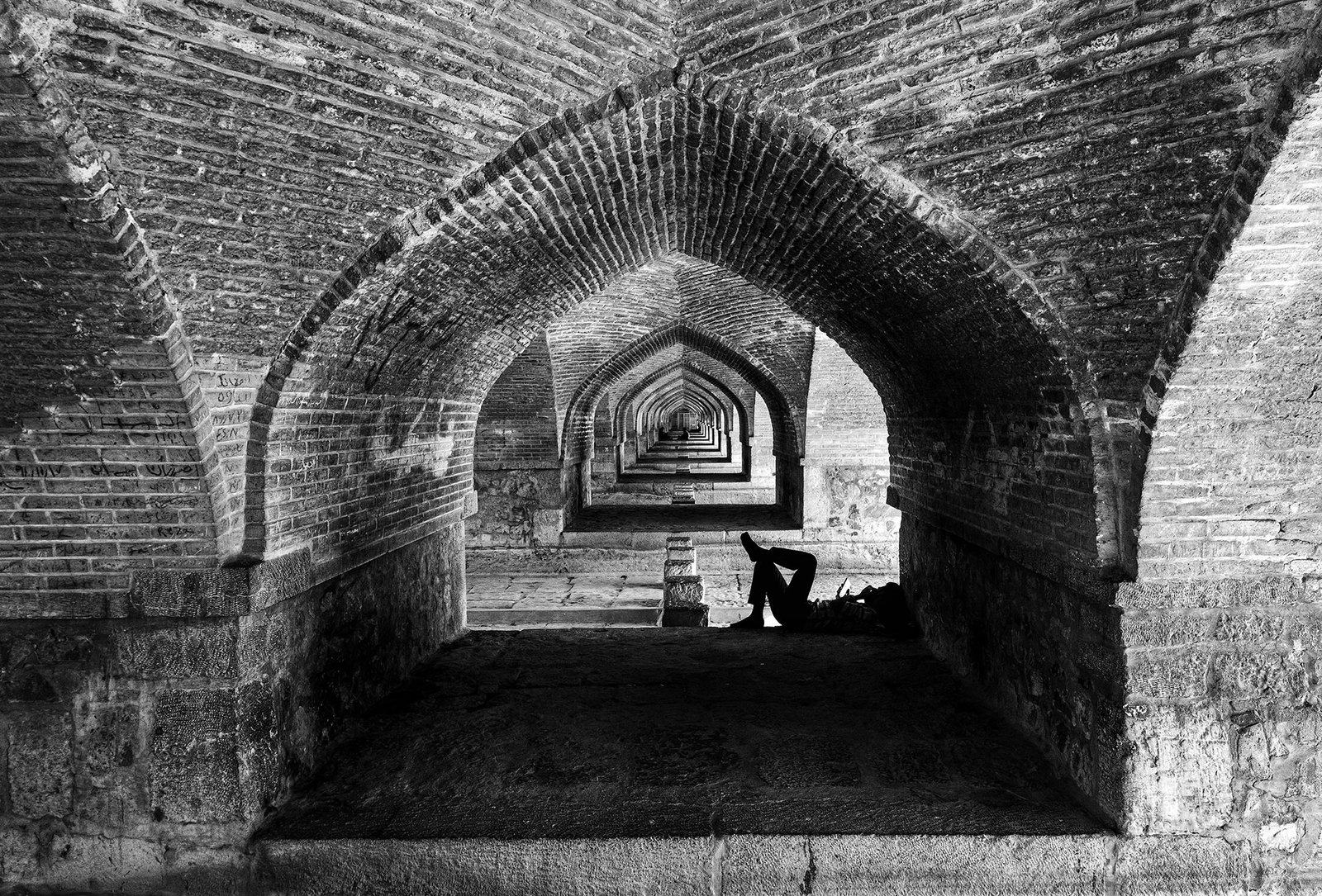
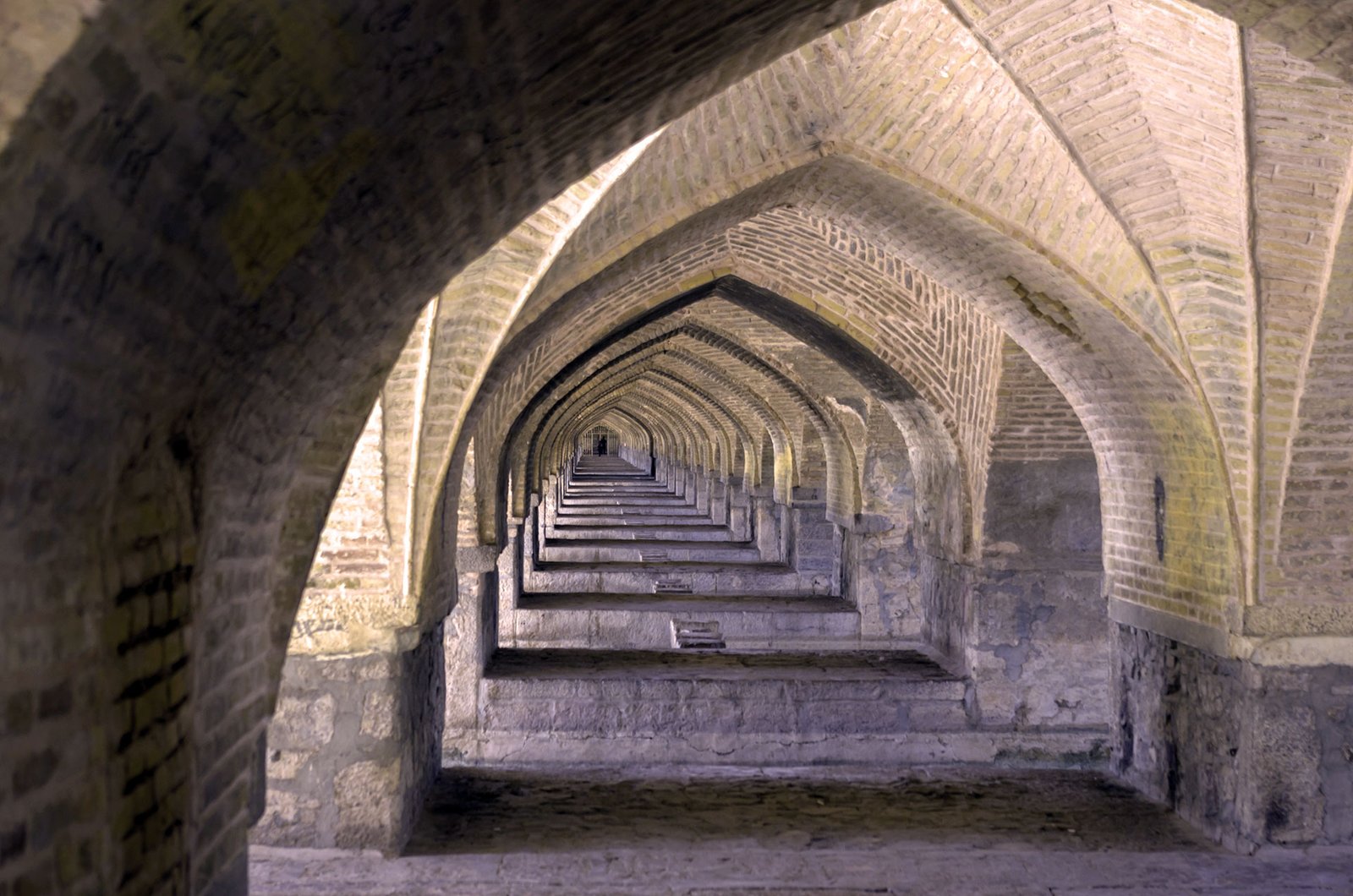
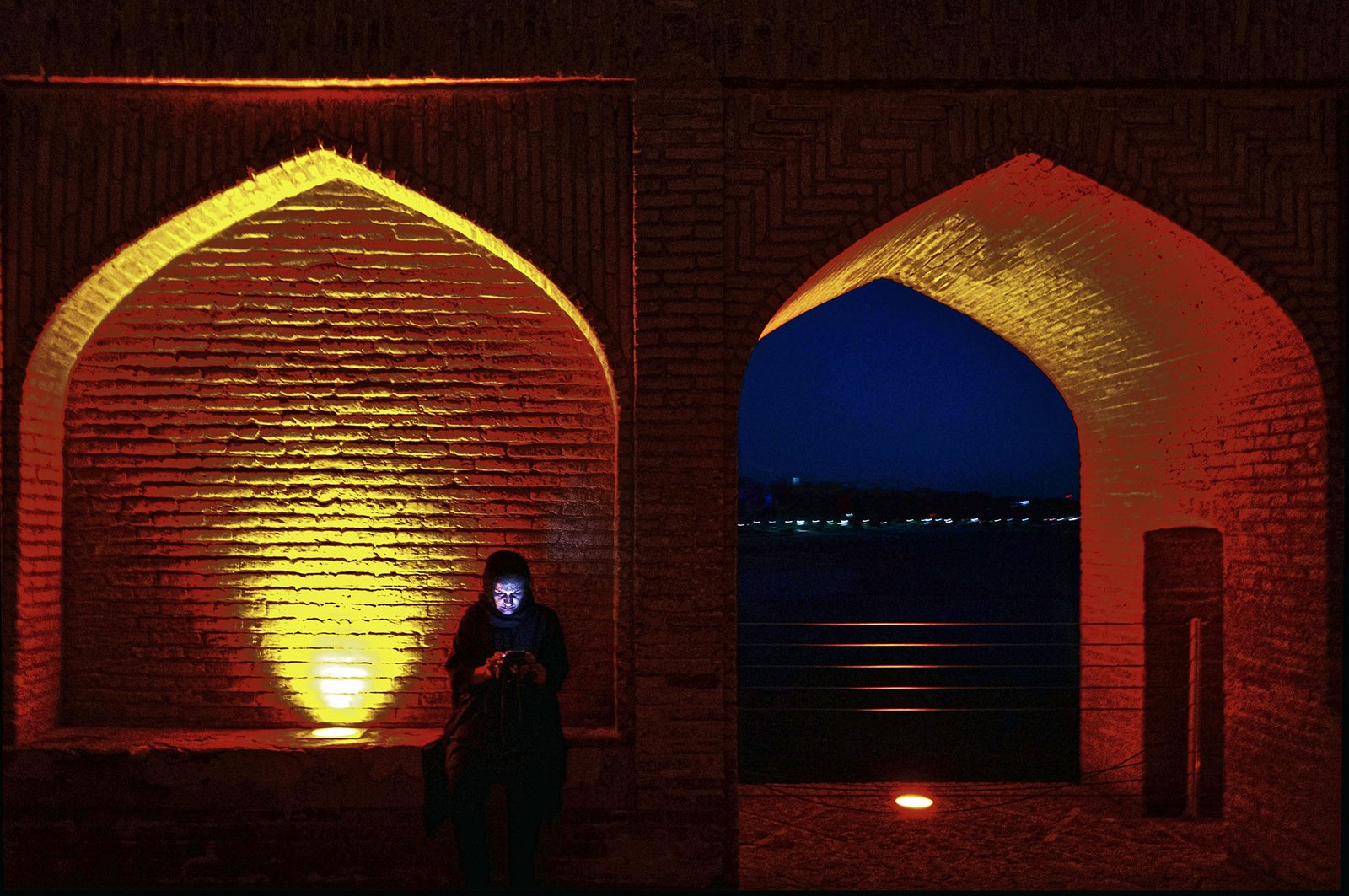
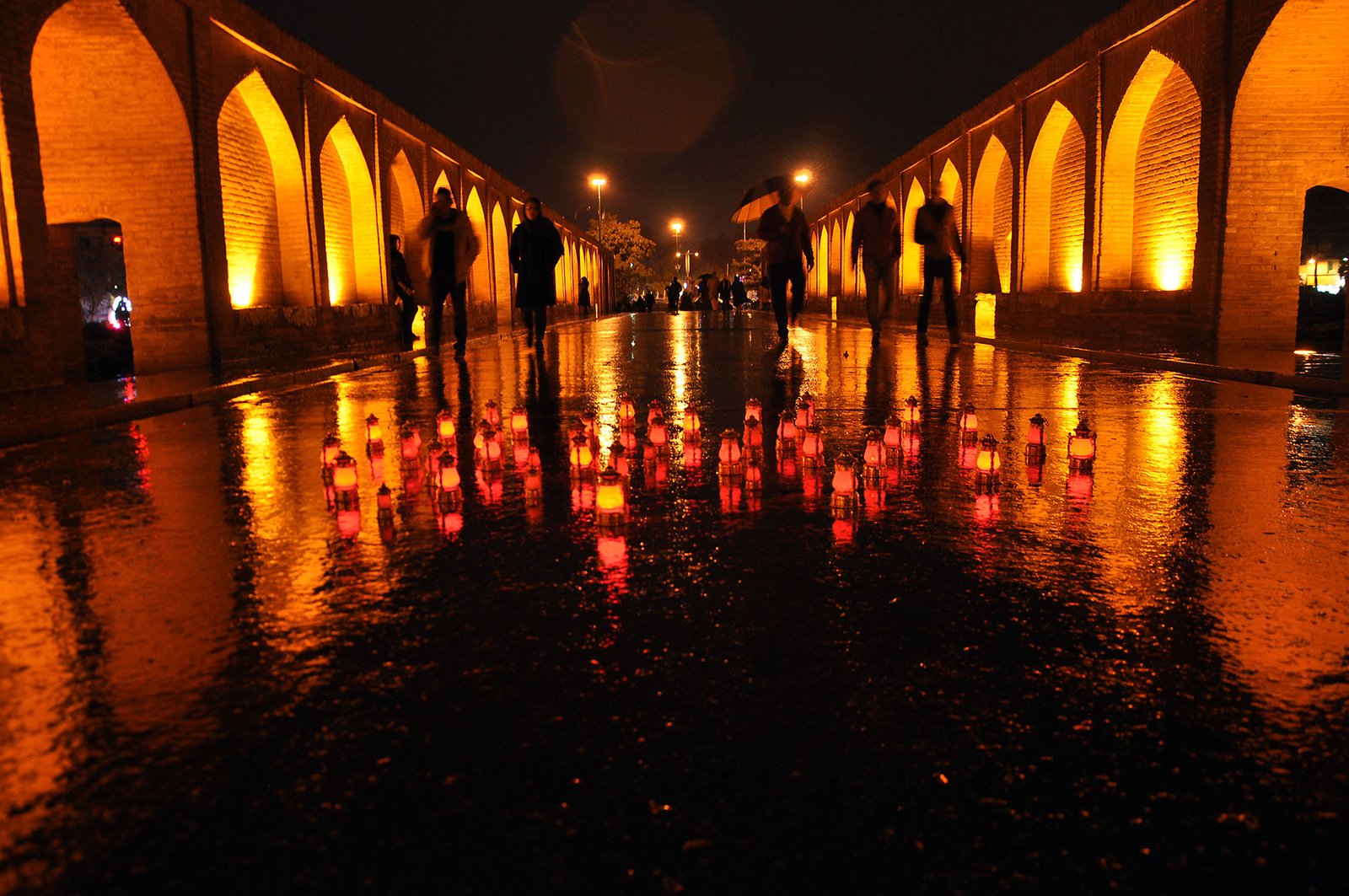
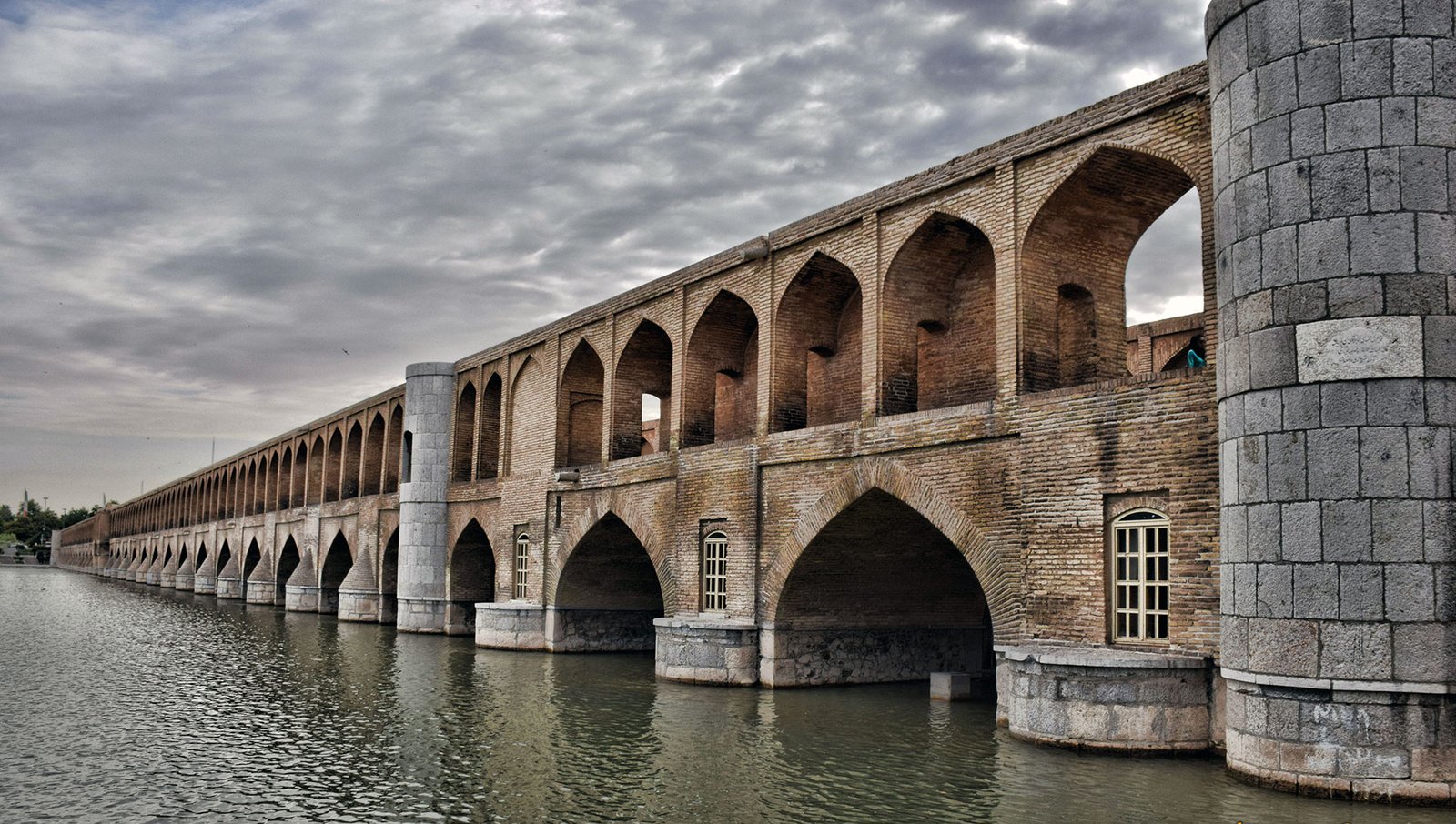
Visitors typically notice the repeating geometry first: the steady cadence of arches, the warm tones of brick, and the way light and shadow shift through the arcades as you walk. In the evenings, locals often gather along the covered walkways and under the vaults, turning the bridge into a social stage—part viewpoint, part meeting place—where the sound of footsteps and conversation seems to echo the city’s enduring cultural pulse.
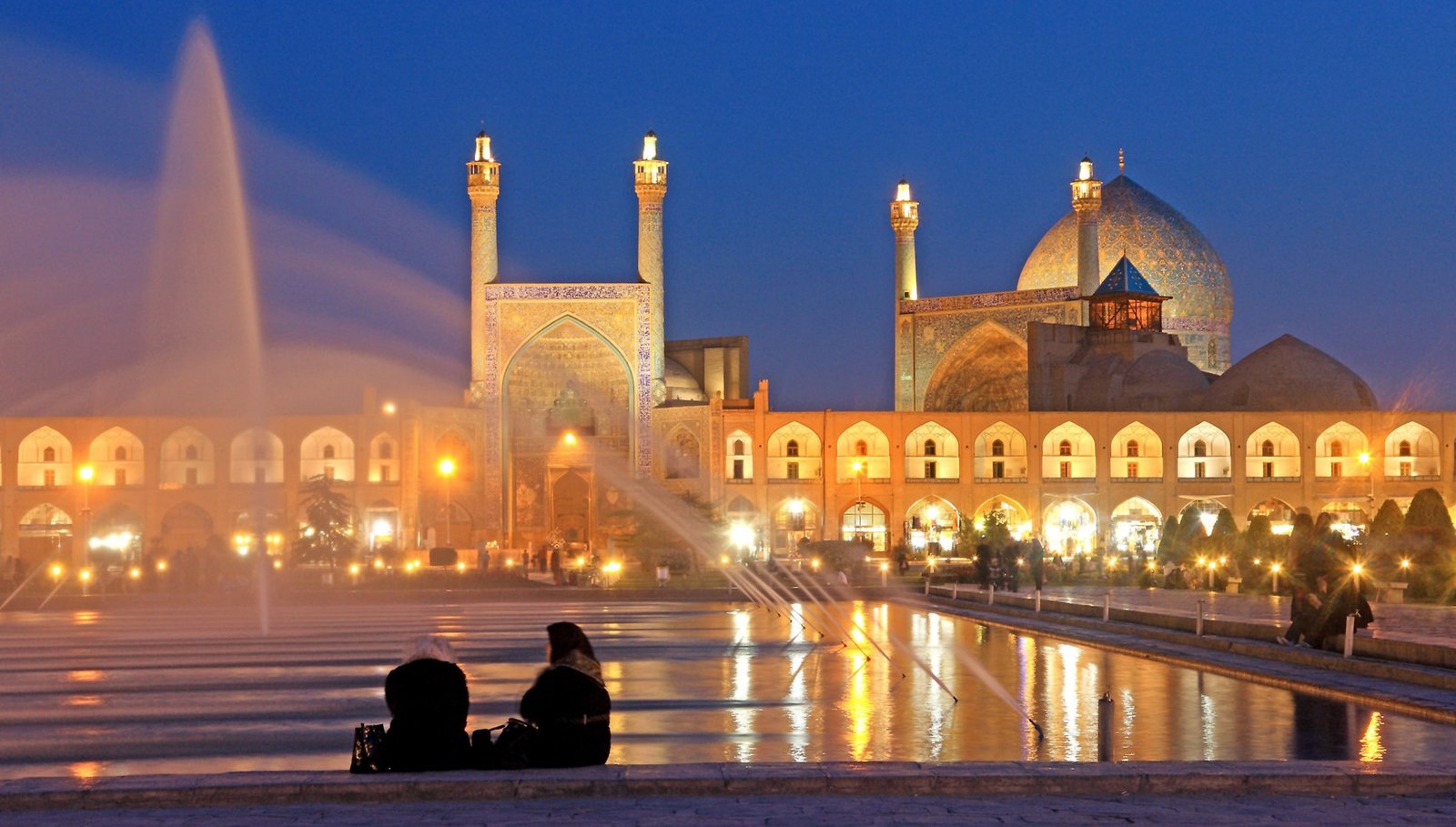
A Glimpse Into Si-o-Se Pol Bridge
See Si-o-Se Pol Bridge Through Moments
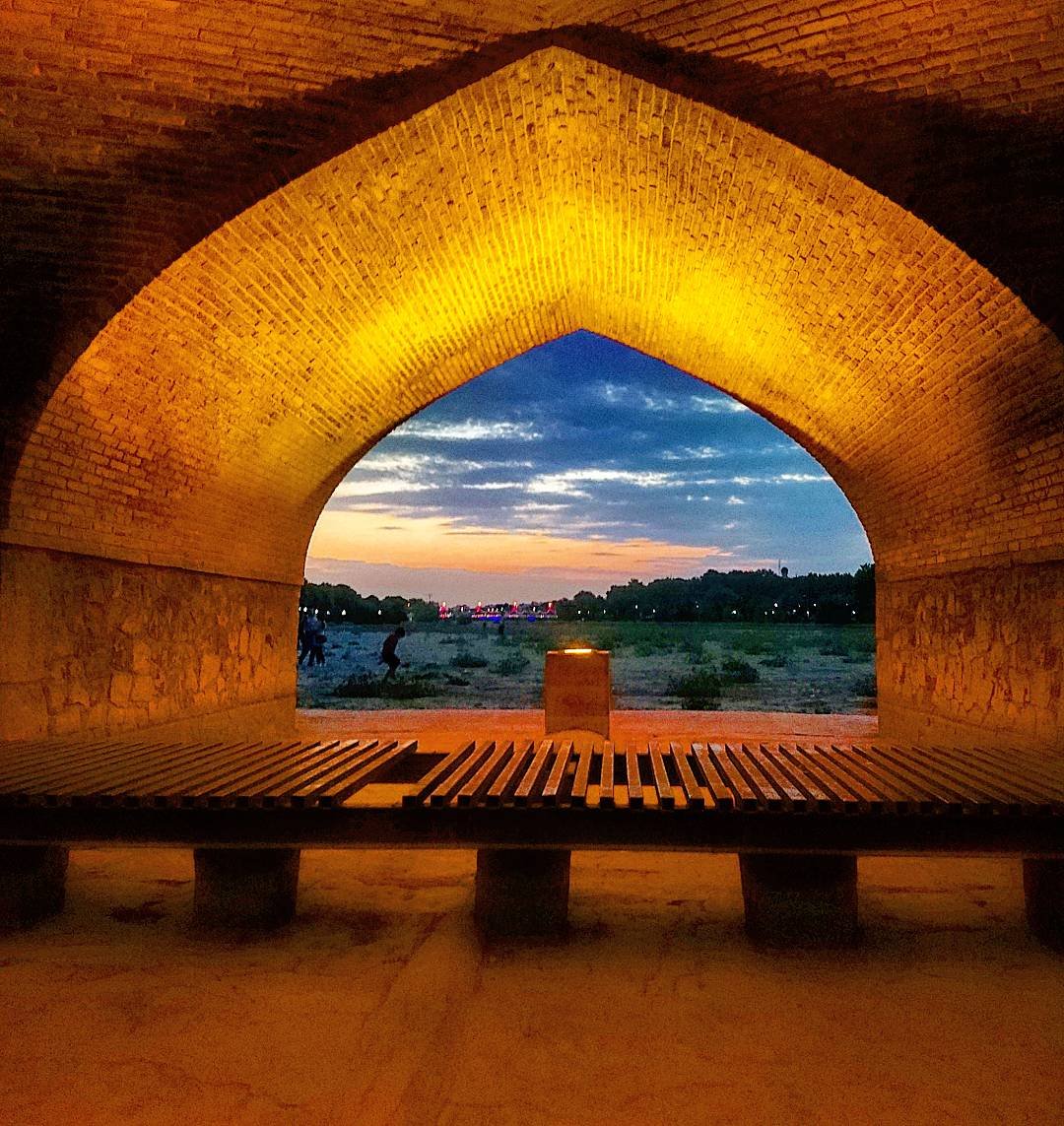
Visitor Information
Essential Information for Visiting Si-o-Se Pol Bridge
Signature Tours including Si-o-Se Pol Bridge
We Believe Your Journey Through Si-o-Se Pol Bridge Should Be Personal.
Frequently Asked Questions about Si-o-Se Pol Bridge and Nearby Attractions
In Esfahan, Si-o-se Pol (the “Bridge of 33 Arches”) matters less as a monument you circle once and more as a piece of urban life that still frames the riverfront. Built in the Safavid era as a ceremonial and practical crossing, it helped stitch together royal gardens and the city’s public spaces, turning the Zayandeh Rud into a stage for daily movement.
On-site, look for how repetition creates drama: the long arcade of arches, the shifting light under the vaults, and the way the bridge reads differently from each bank. The best details are often at eye level—brick patterns, worn edges from centuries of foot traffic, and the changing acoustics as you move from open air to the covered passages.
A common misconception is that it’s only “worth it” when the river is full. Even in drier periods, the bridge’s scale and geometry still land, and locals often use it as an evening promenade. Expect a linear, walk-through experience on stone and brick surfaces; keep to the flow, and be considerate when photographing people who are simply out for a stroll.
In Isfahan, Si-o-Se Pol Bridge is best experienced slowly and on foot, treating it as both a landmark and a living public space. Plan to walk the full length, then loop back underneath the arches to appreciate the geometry, changing light, and river views.
For atmosphere, many travelers prefer visiting around sunset into early evening, when locals gather and the bridge feels most animated. If you want cleaner photos and a quieter stroll, aim for earlier in the day; lighting will be harsher, but crowds are often thinner.
Practical tips: wear comfortable shoes because you’ll likely combine the bridge with nearby riverside promenades. Keep personal belongings close in busy periods, and be mindful of cyclists and other pedestrians sharing the walkway.
Si-o-Se Pol is not a museum-style attraction with a “ticketed” experience, so your visit quality depends on timing and pace. If you’re hoping to include nearby sights or cafés, ask your accommodation for current local guidance, as access patterns and river conditions can vary.
In Isfahan, Si-o-Se Pol Bridge tends to feel most photogenic around the soft light of early morning and near sunset, when the Zayandeh River corridor (if flowing) and the bridge’s repeating arches show more texture. Midday light can be harsh, flattening details, but it’s still good for clear architectural shots.
For fewer people in your frame, aim for quieter windows such as early morning on weekdays. Evenings can be lively—great for atmosphere, but harder for clean photos—so consider arriving before the busiest period and staying as the light changes.
For classic compositions, try shots from the riverbanks looking along the length of the bridge to emphasize the 33-arch rhythm, then move underneath for symmetry and leading lines. If you’re using a tripod or larger camera setup, be considerate of pedestrians and local gatherings, and follow any on-site guidance or restrictions you encounter.
In Isfahan, Si-o-Se Pol Bridge is generally straightforward to visit, but accessibility can vary depending on which approach you take. The bridge is a historic structure with a long pedestrian span, and the surrounding riverbank paths may include uneven paving, curb drops, or short ramps that aren’t consistent end to end.
For wheelchairs and strollers, aim to enter from the flattest riverbank promenade you can find and do a quick surface check before committing to the full crossing. If you’re traveling with limited mobility, it can be more comfortable to enjoy the view from one end of the bridge and the shaded arcades rather than walking the entire length.
Expect the busiest pinch points near the entrances and under the arches, where people pause for photos and street activity. If you need a quieter, easier passage, pause and let foot traffic thin out, and consider having a companion help with small bumps or tight spots. Conditions can change with maintenance and weather, so it’s worth confirming the easiest access route with locals or your accommodation on the day.
In Isfahan, Si-o-Se Pol Bridge sits on a major north–south corridor and is usually straightforward to reach from central neighborhoods and the riverfront promenades. Many travelers approach it on foot from nearby parks and boulevards, which also lets you enjoy the gradual reveal of the bridge’s arches.
If you prefer not to walk, taxis and app-based rides are typically the simplest option for getting close without navigating parking. Ask to be dropped near the bridge approaches rather than “on the bridge,” since vehicle access patterns can vary and some sections may be pedestrian-priority at certain times.
Public transport can work well too: look for routes that serve the central river axis and major squares, then walk the last stretch along the Zayandeh Rud. Because stops and routings can change, confirm directions with your host, hotel, or a nearby shopkeeper before you set out.
Once you arrive, plan a brief loop: cross the bridge, then return via the riverbank path for different views of Si-o-Se Pol Bridge. Wear comfortable shoes—the stone surfaces and stairs can be uneven in places.
In Isfahan, Si-o-Se Pol Bridge is best known for its rhythmic sequence of arches—its name literally points to them (“thirty-three”). The bridge was created as both a crossing and a social promenade, which is why its long, covered walkways feel as important as the river span itself.
Look closely and you’ll notice how the structure is built to reward slow walking: repeating bays, changing light under the vaults, and viewpoints that frame the Zayandeh Rud corridor. Even when the riverbed is dry, the bridge’s architecture still reads like a designed public room—an outdoor hall where sound carries and conversations linger.
To make the most of the design, walk the upper level for the full length, then return beneath the arches to experience the acoustics and shifting perspectives. If you’re interested in photography or sketching, the repeating geometry makes strong compositions from almost any angle, especially when you use the arches to “lead” the eye.
Yes—Si-o-Se Pol Bridge in Isfahan is still one of the city’s most rewarding attractions even when the Zayandeh Rud isn’t flowing. The bridge’s long arcade of arches, brickwork, and rhythmic symmetry are the main event, and they read clearly in any season.
If the riverbed is dry, focus on experiencing the structure up close: walk the full length, pause under the vaulted bays, and look along the repeating arch lines for strong perspective. The lower-level passages (when accessible) can feel cooler and more atmospheric, and the bridge often becomes a natural meeting point for locals.
For a fuller visit, pair Si-o-Se Pol Bridge with nearby riverside promenades and other historic bridges so you still get a sense of Isfahan’s urban landscape. Conditions can change with weather and water management, so if seeing water is essential to your trip, ask locally about recent river flow before planning your day around it.
In Esfahan, Naqsh-e Jahan Square (Imam Square) is the city’s most concentrated statement of Safavid-era ambition—an urban stage where politics, faith, commerce, and ceremony were designed to meet. Rather than a single monument, it’s a planned ensemble that helps explain why Esfahan became a capital of architecture, craftsmanship, and public life.
What makes it distinctive is how the square orchestrates your attention. Notice the deliberate axes: the Shah Mosque (Imam Mosque) anchors one end with monumental portals and tilework, while Sheikh Lotfollah Mosque faces it with a more intimate, jewel-like presence; Ali Qapu Palace introduces the courtly viewpoint, and the Qeysarieh Bazaar gateway pulls you into the city’s trading arteries. The slight rotation of mosque entrances relative to the square is also worth spotting—an elegant way to reconcile urban geometry with prayer orientation.
A visit typically feels spacious and unhurried: broad sightlines, long walking loops, and frequent pauses for details at a distance and up close. Surfaces are mostly hard paving, with plenty of open sun and shade pockets along arcades. Photography is generally welcome in outdoor areas, but inside active religious spaces, keep voices low, avoid blocking worshippers, and look for posted guidance that may limit flash or certain angles.
In Esfahan, the Jameh Mosque (Masjed-e Jameh) is less about a single postcard view and more about reading a city’s history in brick, tile, and space. Unlike the more “set-piece” monuments, it evolved over centuries, so you’re essentially walking through layers of architectural ideas and dynastic tastes.
What to notice first is the plan: a large courtyard framed by four iwans (monumental vaulted portals), which became a defining pattern for Iranian mosque design. Look closely at how the decoration shifts as you move—subtle brickwork geometry, then bursts of glazed tile, then inscriptions that feel like they’re guiding your eye upward.
On site, expect a complex layout with multiple prayer halls, side chambers, and quiet corners rather than a single linear route. Surfaces can be uneven and worn in places, and the atmosphere is often calm; people may be there to pray as well as to visit. Photography is usually fine in many areas, but be discreet around worshippers and follow any posted guidance, especially in active prayer spaces.