

Discover the Treasures of Iran
Vank Cathedral
An architectural dialogue between Armenian Christianity and Persian art.
- Attractions
- Vank Cathedral
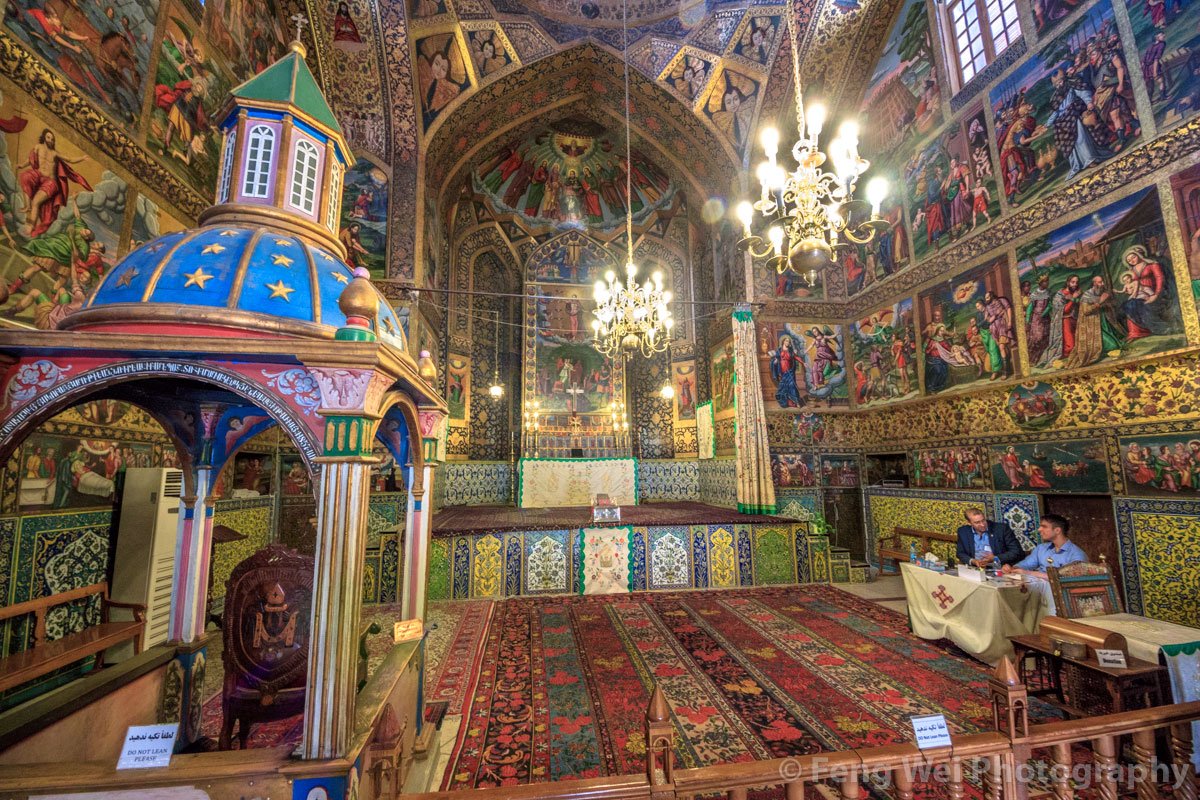
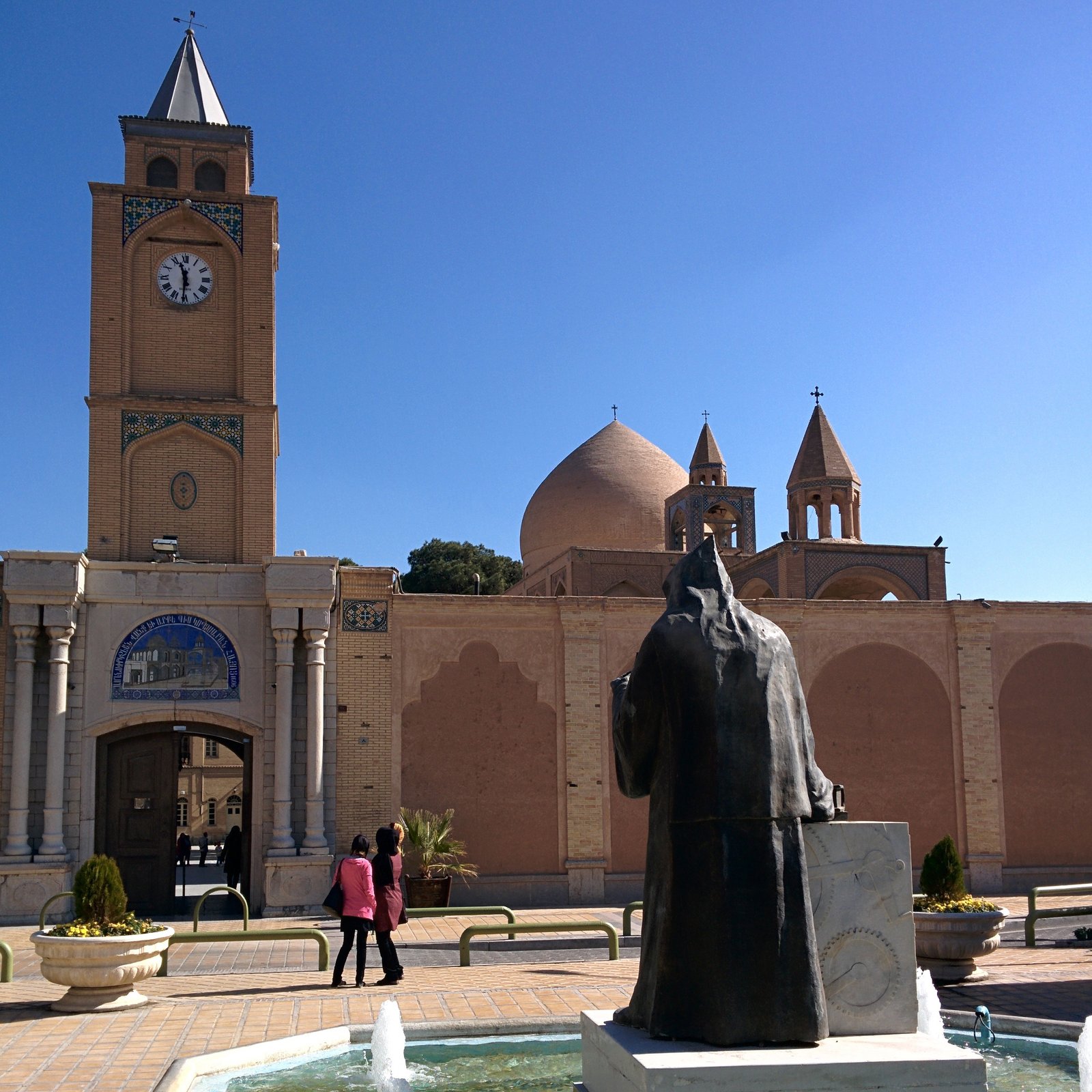
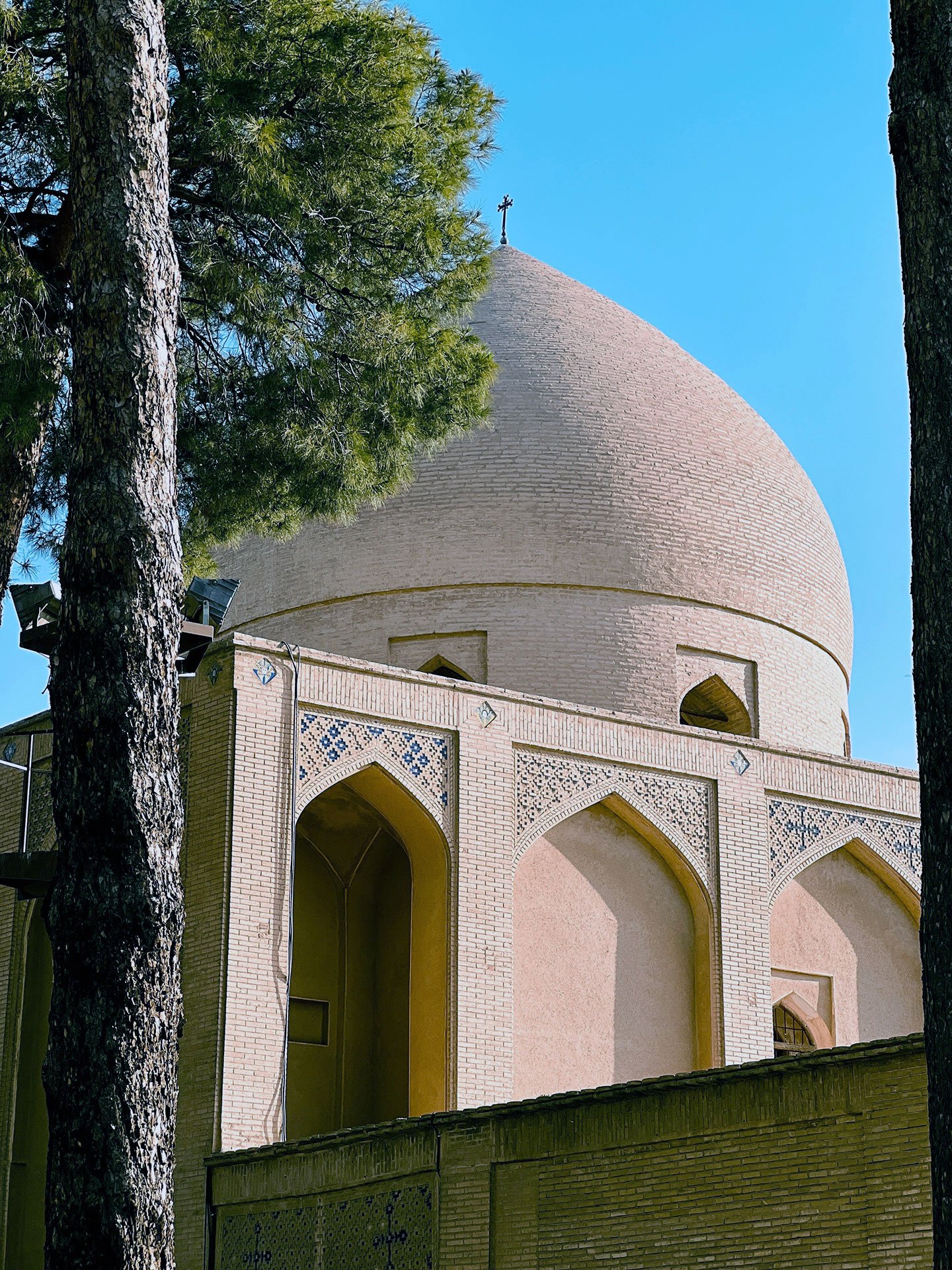
Vank Cathedral is the landmark Armenian church of Isfahan’s New Julfa quarter, celebrated for a striking blend of Armenian Christian tradition and Persian artistic language. Built as a place of worship and community life for Armenians who settled here in the Safavid era, it remains one of Iran’s most recognizable religious monuments and a key window into the city’s multicultural past.
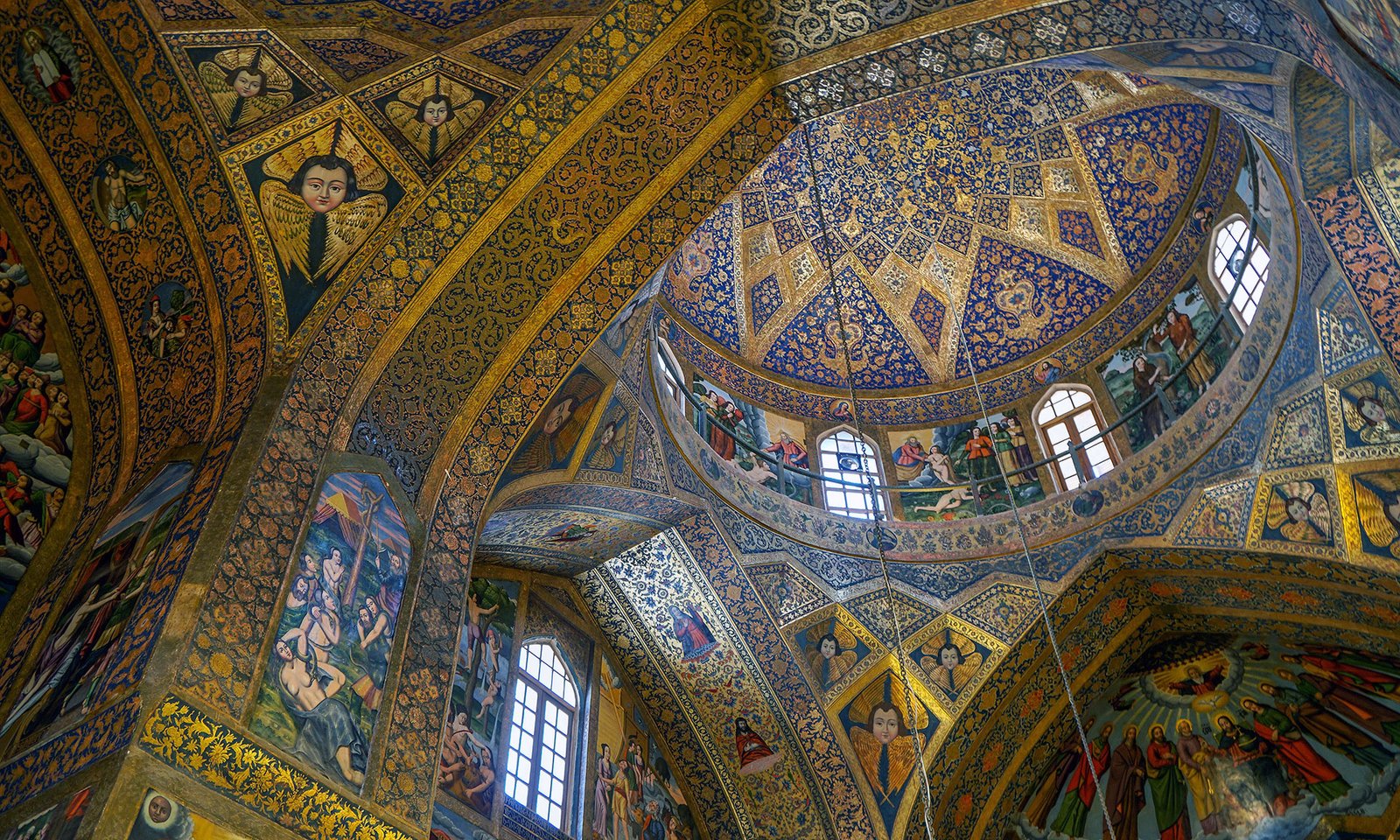
Set within a walled complex in a leafy neighborhood of cafés, workshops, and historic houses, the cathedral feels both intimate and layered. From the outside, the warm brickwork and modest silhouette can seem understated, but stepping inside reveals a dramatic interior: a domed sanctuary covered in richly colored frescoes, intricate gilding, and narrative paintings that draw the eye upward and along the walls.
Beyond its beauty, Vank carries deep historical and cultural significance. It reflects the endurance of the Armenian community in Isfahan and the ways communities adapted, negotiated identity, and contributed to the city’s art and commerce. Visitors typically notice the contrast between the calm courtyard atmosphere and the vivid storytelling inside, along with a sense of reverence that persists even amid sightseeing. Many also linger over the fine details—tilework, carved elements, and memorial inscriptions—before exploring the broader complex that helps place the cathedral in its living community context.
A Glimpse Into Vank Cathedral
See Vank Cathedral Through Moments
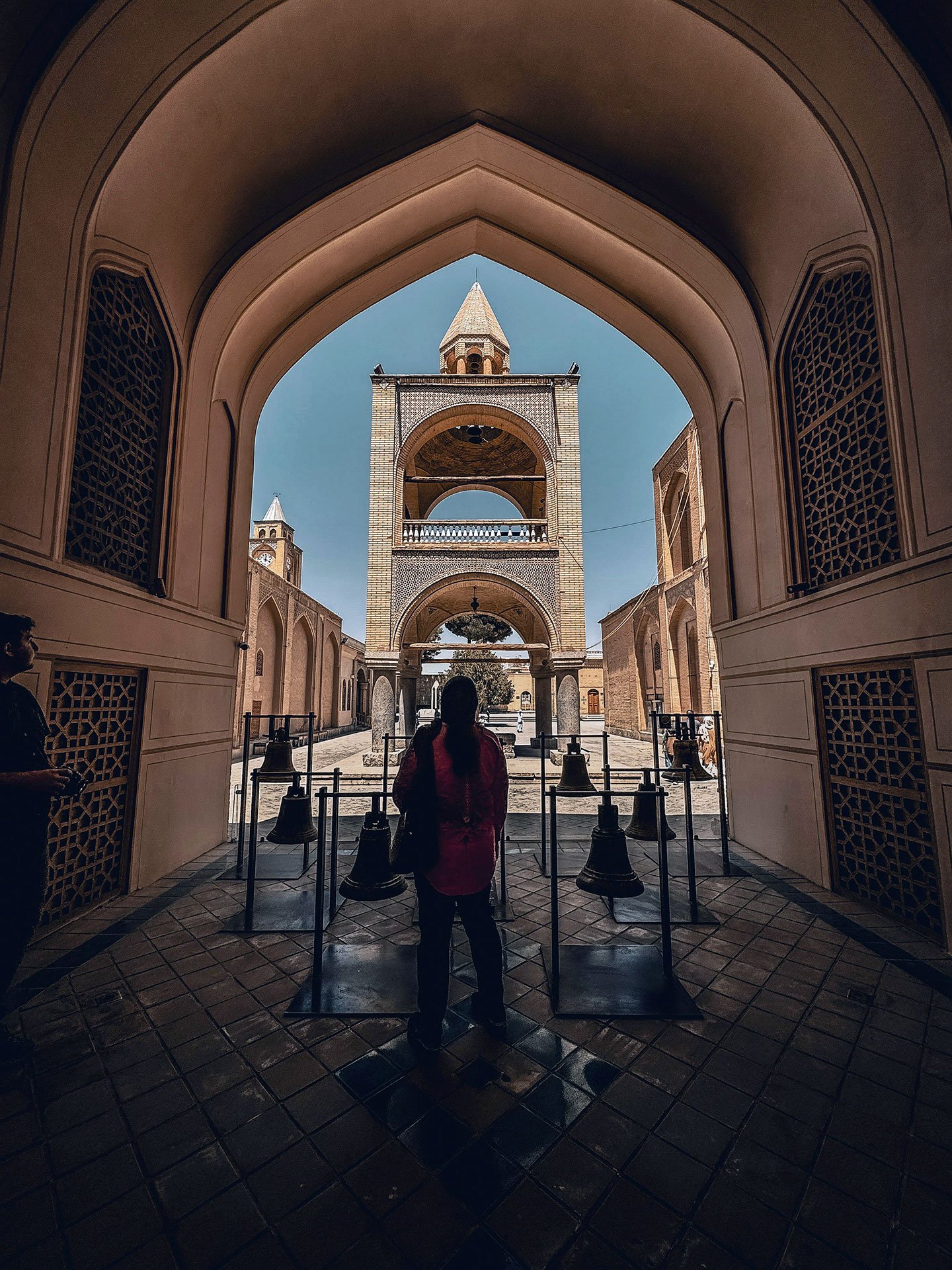
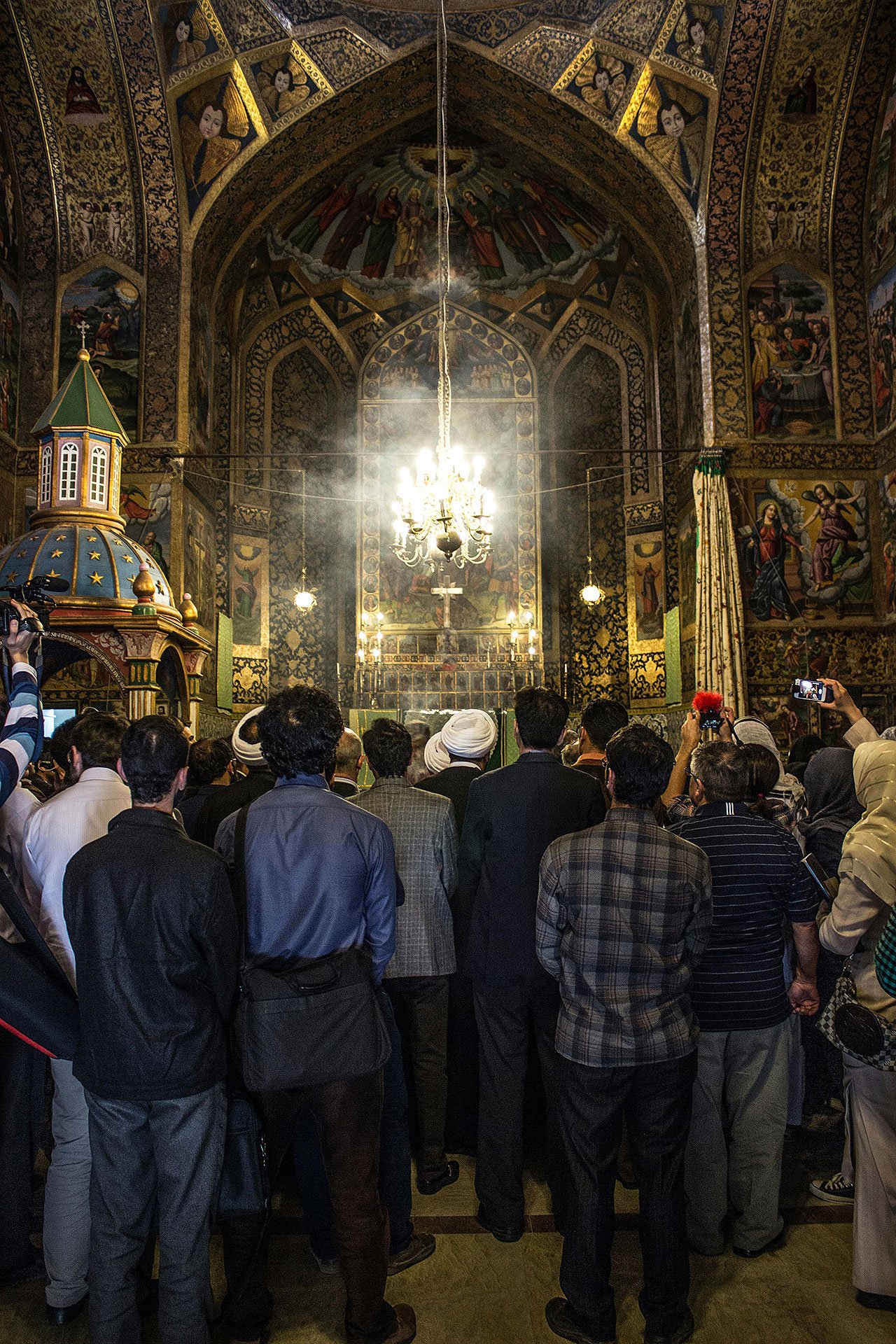
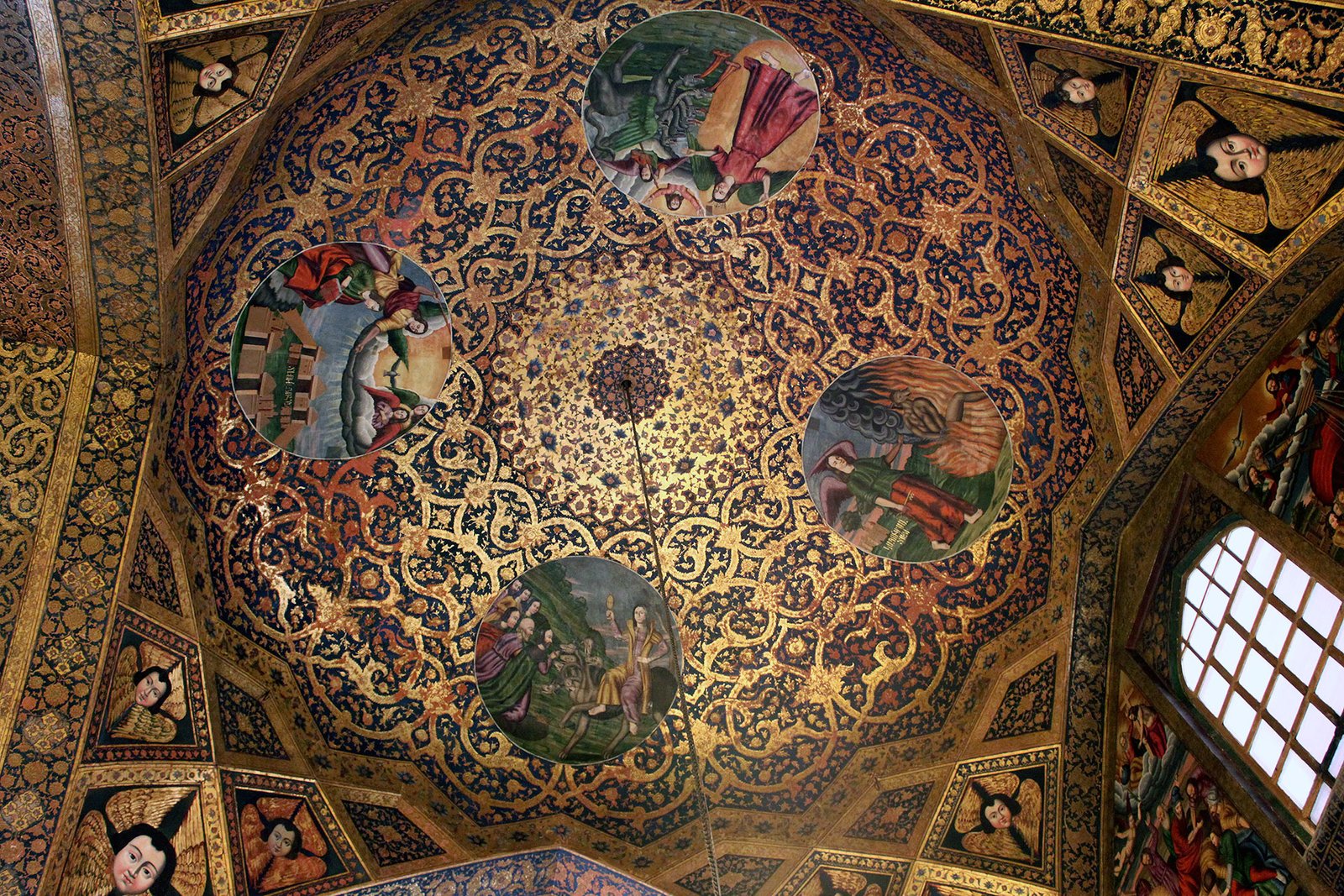
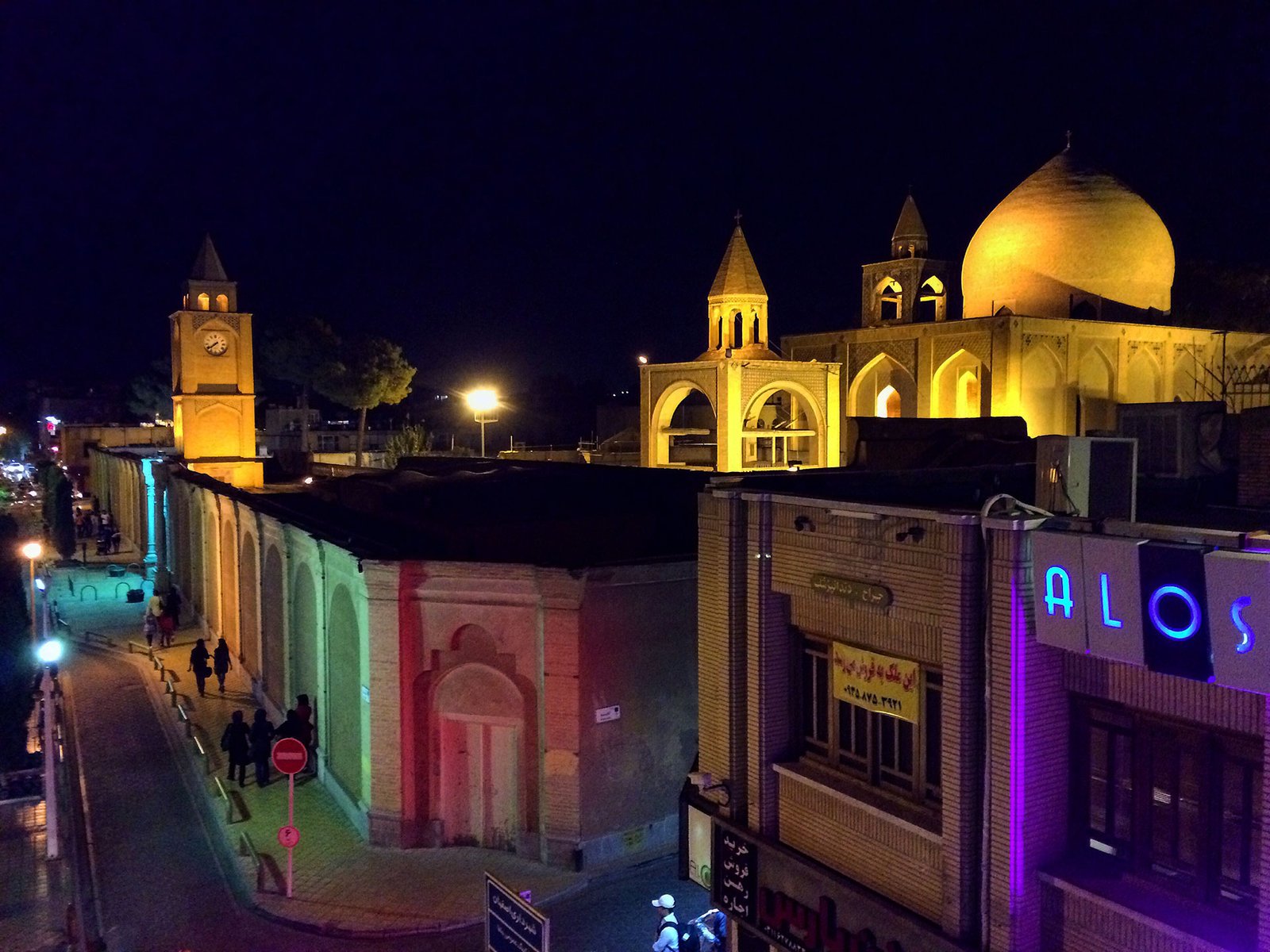
Visitor Information
Essential Information for Visiting Vank Cathedral
Wear supportive shoes: You’ll likely be on your feet across courtyards and interior floors, so cushioned, non-slip footwear makes the visit easier.
Bring water and pace yourself: Keep a small bottle handy, especially in warmer months, and plan brief pauses to take in the artwork without rushing.
Photography etiquette matters: Look for posted rules, avoid flash, and be mindful of worshippers and guided groups; when in doubt, ask before photographing people or sensitive areas.
Set aside time for details: The value is in the frescoes, inscriptions, and decorative motifs—move slowly, step back for wide views, then come closer for the fine work.
Keep voices low and phones silent: A calm tone helps preserve the atmosphere and shows consideration for anyone praying or reflecting.
Signature Tours including Vank Cathedral
We Believe Your Journey Through Vank Cathedral Should Be Personal.
Frequently Asked Questions about Vank Cathedral and Nearby Attractions
In Isfahan, Vank Cathedral is an active religious site as well as a major Armenian cultural landmark, so a respectful approach makes your visit smoother. Aim for modest clothing that covers shoulders and knees, and keep voices low—especially if you encounter prayer or a service.
Photography is often allowed in parts of the complex, but rules can vary by area and may change without notice. Look for posted signs, avoid using flash near artworks and frescoes, and ask staff before photographing people, clergy, or any restricted spaces.
Plan to move slowly inside: the interior artwork is detailed and best appreciated up close, and the museum sections (if open) add context to the community’s history. If you’re visiting during busy periods, arriving earlier can help you enjoy the nave and courtyards with fewer crowds; confirm current entry procedures and any temporary restrictions on-site.
In Isfahan, Vank Cathedral is best experienced slowly, because the interior details are the main attraction. Start by giving yourself a minute in the main sanctuary to take in the scale, then move closer to the walls and ceiling to follow the painted scenes and intricate ornamentation.
Next, walk the perimeter to view the side chapels and smaller details that are easy to miss from the center. If photography is important to you, look for even, indirect light and be ready to adapt—rules about photos or flash can vary, so it’s wise to confirm on site.
After the church interior, continue into the courtyard area to appreciate the broader complex and its atmosphere. If open during your visit, the museum section can add useful context on the Armenian community in New Julfa; signage and displays may be limited, so consider reading a short background beforehand or hiring a local guide for deeper interpretation.
In Isfahan, most travelers find Vank Cathedral works best as a focused 60–120 minute visit, depending on how closely you read the museum displays and linger in the courtyard. If you’re short on time, you can still get a meaningful experience in about an hour by prioritizing the main church interior and the on-site museum.
Plan extra time if you enjoy photography, want a quieter moment inside this Armenian religious site, or prefer to pause at nearby cafés in Jolfa afterward. The museum element often adds more time than visitors expect, especially if you take time with the historical context.
To avoid feeling rushed, arrive with a simple structure: start at the cathedral, then the museum, then the courtyard and gift shop. If you’re visiting during holidays or busy weekends, allow a buffer for entry lines and security checks, and confirm any day-to-day changes locally.
In Isfahan, Vank Cathedral is typically visited via a ticketed entry that may be bundled with the on-site museum and courtyard areas. Ticketing arrangements can change, so it’s wise to check at the entrance or ask your hotel for the latest guidance before you go.
Bring some cash as well as a card if you have one, since payment methods can vary by day and operator. Keep your ticket with you throughout the visit; staff may ask to see it again when moving between sections.
If you want a quieter experience, aim for a weekday morning or arrive soon after opening, when lines are less likely. On busy days, consider visiting other nearby Julfa sights first and returning later, as entry flow can be smoother outside peak periods.
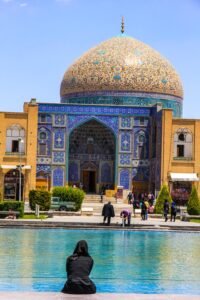
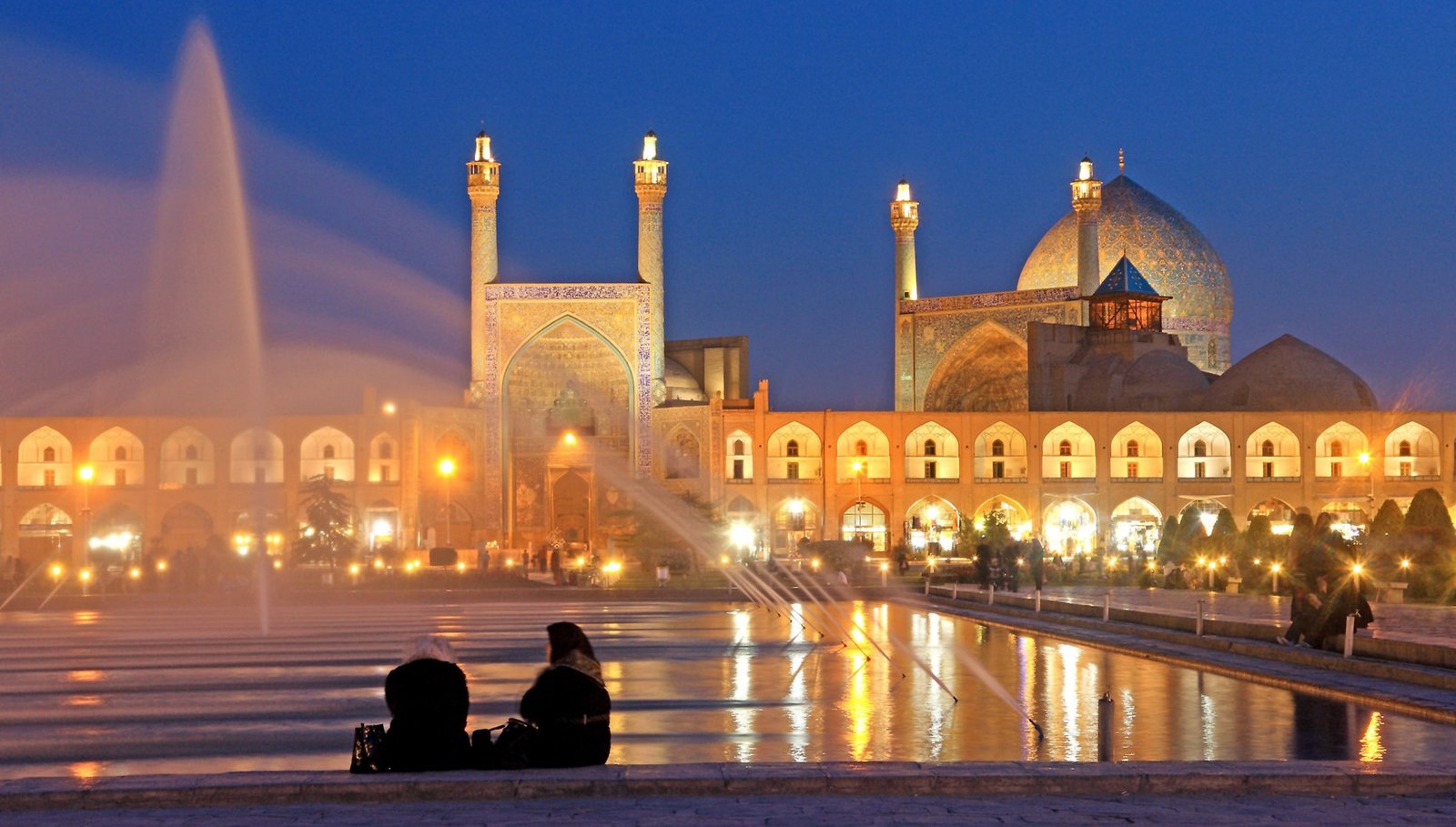
In Esfahan, Naqsh-e Jahan Square (Imam Square) is the city’s most concentrated statement of Safavid-era ambition—an urban stage where politics, faith, commerce, and ceremony were designed to meet. Rather than a single monument, it’s a planned ensemble that helps explain why Esfahan became a capital of architecture, craftsmanship, and public life.
What makes it distinctive is how the square orchestrates your attention. Notice the deliberate axes: the Shah Mosque (Imam Mosque) anchors one end with monumental portals and tilework, while Sheikh Lotfollah Mosque faces it with a more intimate, jewel-like presence; Ali Qapu Palace introduces the courtly viewpoint, and the Qeysarieh Bazaar gateway pulls you into the city’s trading arteries. The slight rotation of mosque entrances relative to the square is also worth spotting—an elegant way to reconcile urban geometry with prayer orientation.
A visit typically feels spacious and unhurried: broad sightlines, long walking loops, and frequent pauses for details at a distance and up close. Surfaces are mostly hard paving, with plenty of open sun and shade pockets along arcades. Photography is generally welcome in outdoor areas, but inside active religious spaces, keep voices low, avoid blocking worshippers, and look for posted guidance that may limit flash or certain angles.
In Esfahan, the Jameh Mosque (Masjed-e Jameh) is less about a single postcard view and more about reading a city’s history in brick, tile, and space. Unlike the more “set-piece” monuments, it evolved over centuries, so you’re essentially walking through layers of architectural ideas and dynastic tastes.
What to notice first is the plan: a large courtyard framed by four iwans (monumental vaulted portals), which became a defining pattern for Iranian mosque design. Look closely at how the decoration shifts as you move—subtle brickwork geometry, then bursts of glazed tile, then inscriptions that feel like they’re guiding your eye upward.
On site, expect a complex layout with multiple prayer halls, side chambers, and quiet corners rather than a single linear route. Surfaces can be uneven and worn in places, and the atmosphere is often calm; people may be there to pray as well as to visit. Photography is usually fine in many areas, but be discreet around worshippers and follow any posted guidance, especially in active prayer spaces.
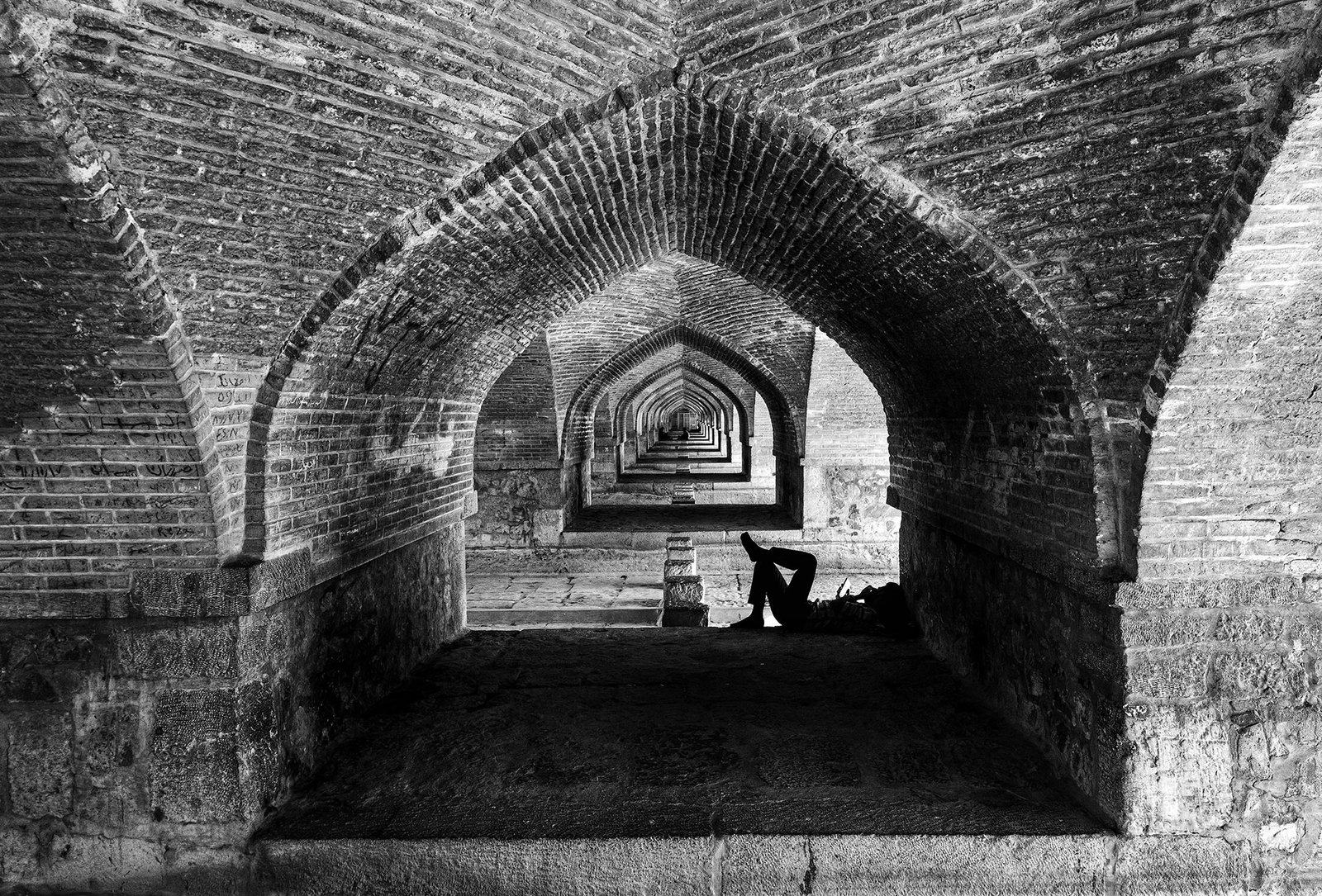
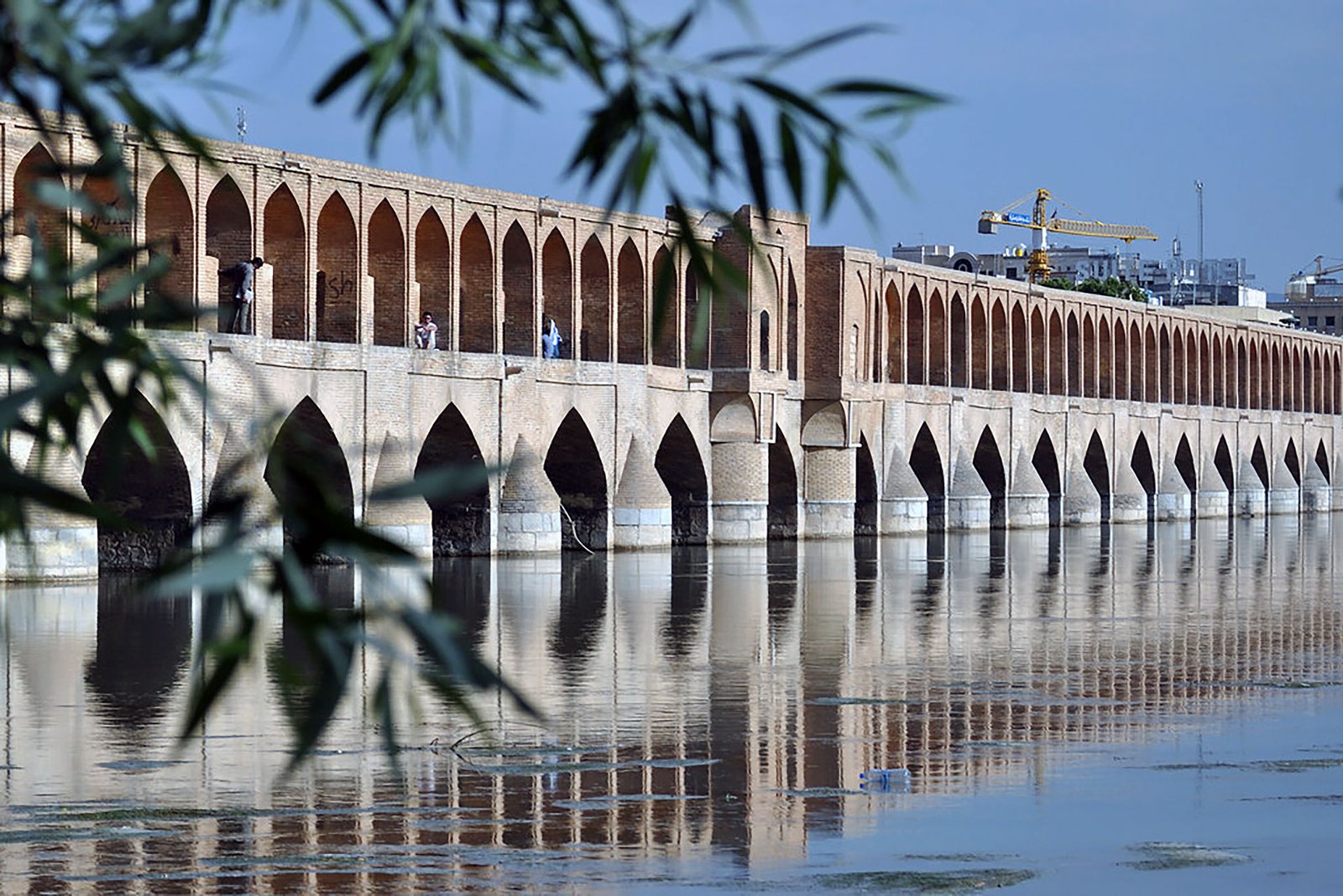
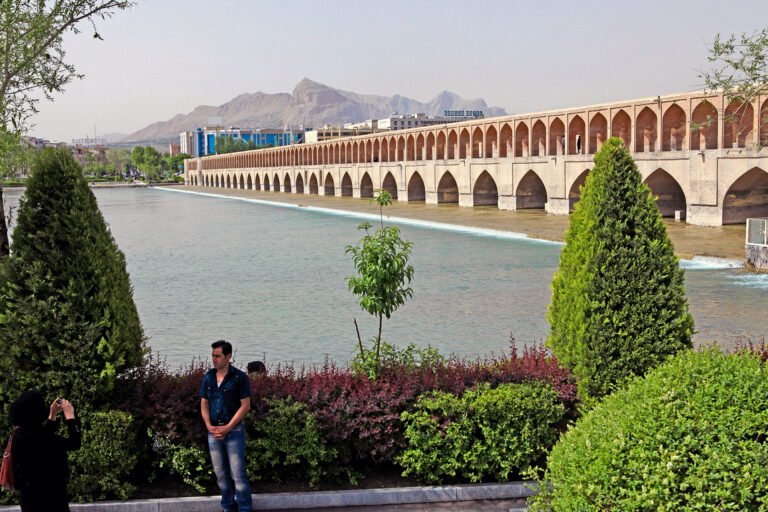
In Esfahan, Si-o-se Pol (the “Bridge of 33 Arches”) matters less as a monument you circle once and more as a piece of urban life that still frames the riverfront. Built in the Safavid era as a ceremonial and practical crossing, it helped stitch together royal gardens and the city’s public spaces, turning the Zayandeh Rud into a stage for daily movement.
On-site, look for how repetition creates drama: the long arcade of arches, the shifting light under the vaults, and the way the bridge reads differently from each bank. The best details are often at eye level—brick patterns, worn edges from centuries of foot traffic, and the changing acoustics as you move from open air to the covered passages.
A common misconception is that it’s only “worth it” when the river is full. Even in drier periods, the bridge’s scale and geometry still land, and locals often use it as an evening promenade. Expect a linear, walk-through experience on stone and brick surfaces; keep to the flow, and be considerate when photographing people who are simply out for a stroll.