f f f f f f f f f f f f f f f f f f
-0°C
clear sky
3 Tours

Destinations of Iran

Esfahan Uncovered

Half The World

Esfahan sits at the heart of Iran’s central plateau, where broad boulevards, plane trees, and historic bridges shape a city built for lingering walks. Its identity is closely tied to the Safavid era, when planners and artisans crafted grand public spaces and a refined urban rhythm. The result is a place where geometry, calligraphy, and water engineering still feel present in daily life.
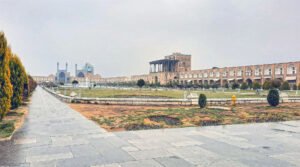
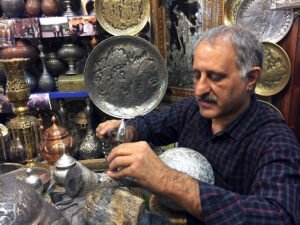
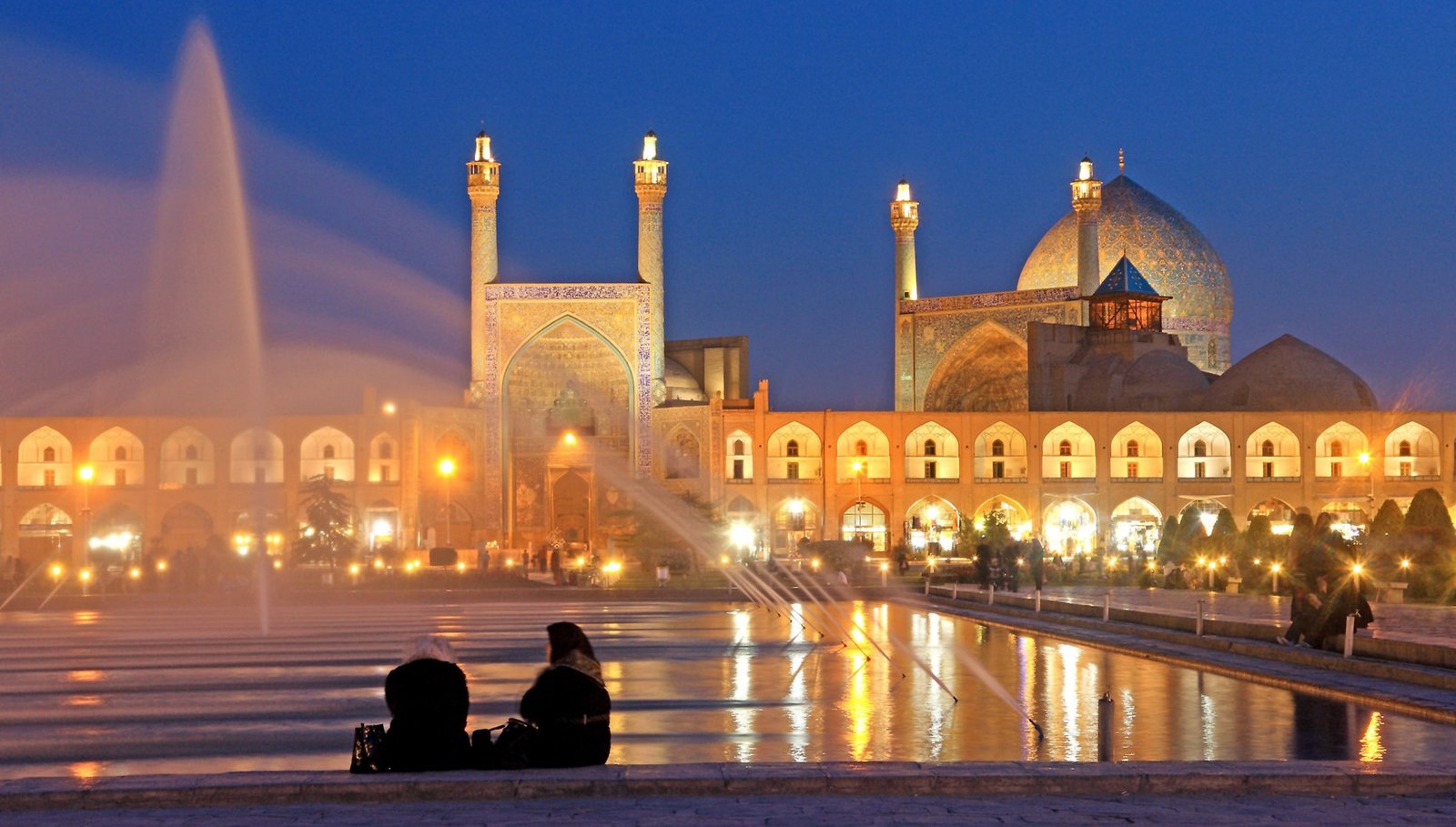
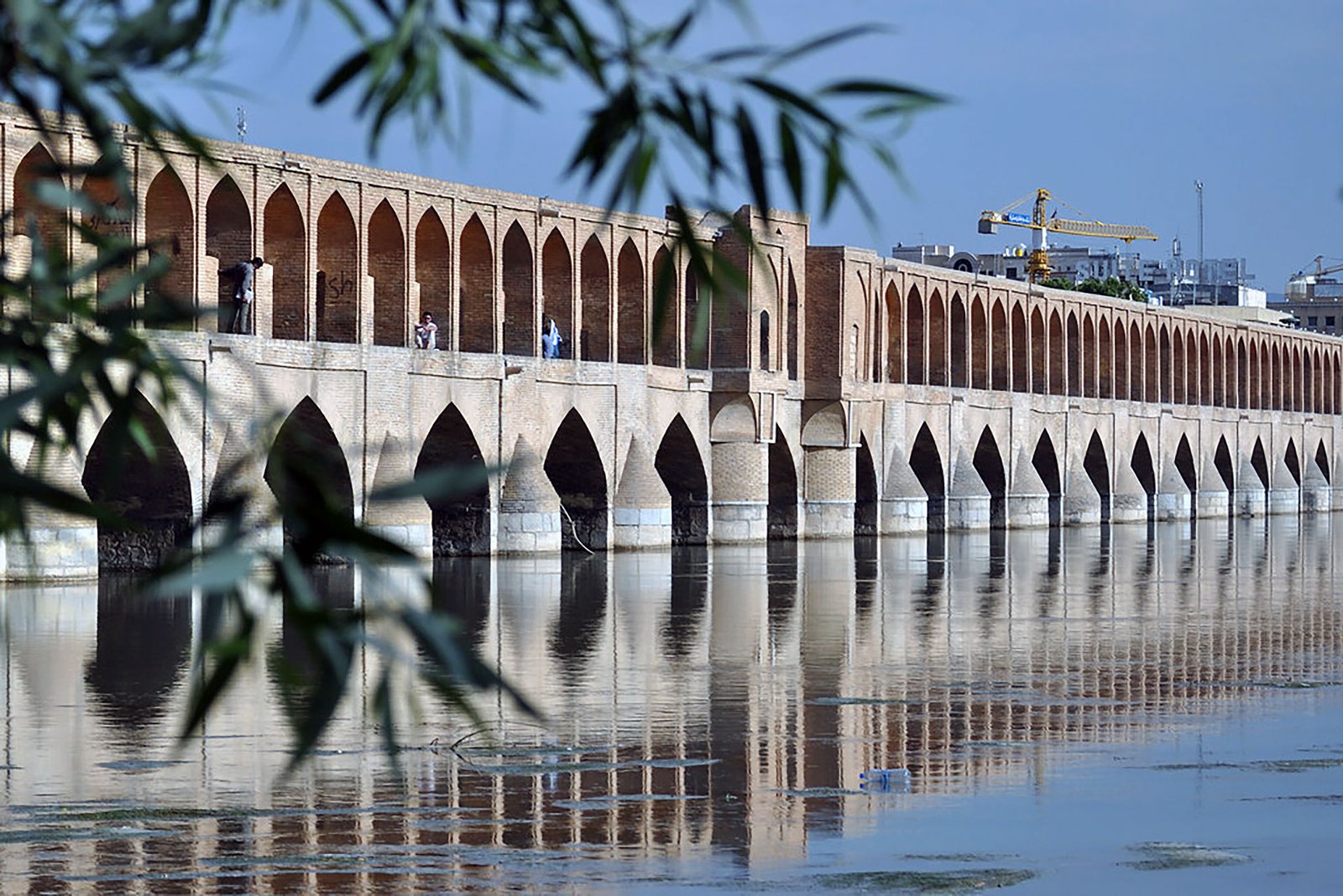
At the center, Naqsh-e Jahan Square opens like a stage: arcaded edges, domes and minarets, and workshops that continue older traditions of metalwork, miniature painting, and textiles. Nearby, the bazaar threads through vaulted corridors scented with spices and rosewater, while courtyards offer sudden quiet. Along the Zayandeh River, the silhouettes of Si-o-se-pol and Khaju Bridge frame evening gatherings and changing light.
Beyond the core, Esfahan’s Armenian quarter, Jolfa, adds a different architectural and cultural texture, with churches, cafés, and tree-lined lanes. Local cuisine leans toward slow-cooked stews and fragrant rice, often finished with saffron and herbs. Seasons matter: spring and autumn bring mild air, while summer light can be intense and crisp.

Esfahan Highlights
  • Walk Naqsh-e Jahan Square, framed by grand Safavid-era architecture.
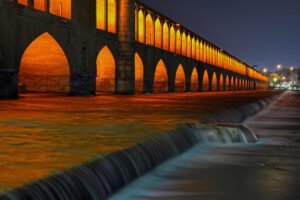
  • Cross Si-o-se Pol and Khaju Bridge, especially atmospheric at dusk.
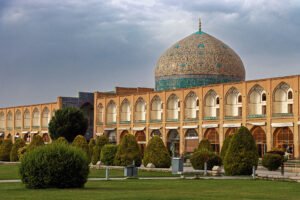
  • Admire Imam Mosque’s tilework, calligraphy, and soaring domes.
  • Browse the Grand Bazaar for crafts, spices, and everyday city life.
  • Visit the Armenian Quarter of Jolfa, with churches and cafés.
  • Relax in Persian gardens and riverside paths along the Zayandeh River.
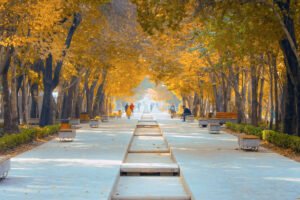
  • Stroll leafy boulevards and gardens, discovering teahouses and local life.
Best Time to Visit Esfahan

Esfahan is most comfortable in spring and autumn, when days are generally mild, skies are often clear, and walking between bridges, bazaars, and historic squares feels unhurried. Spring brings fresh greenery and a lively atmosphere, while autumn offers crisp evenings and softer light that suits photography.
Summer is typically hot and dry, best for early mornings, shaded courtyards, and slower midday plans. Winter tends to be colder, with occasional rain or frost; it can be quieter and atmospheric, especially around the river and historic neighborhoods. If you want a balance of pleasant weather and steady cultural life, aim for the shoulder seasons.

How to Reach Esfahan

Esfahan sits in central Iran and is easy to reach by air, rail, or road. Most visitors arriving by air land at Esfahan’s airport, then continue into the city by taxi or pre-arranged transfer. By train, Esfahan is connected to major hubs, and the station provides a straightforward onward ride to central neighborhoods and key sights. Overland travel is also common: intercity buses and private cars use the main highways linking Esfahan with cities such as Tehran, Shiraz, Yazd, and Kashan. If you’re driving, plan for urban traffic near the historic core and consider parking outside the busiest areas before continuing on foot.

Armenian Diaspora Heritage in Iran
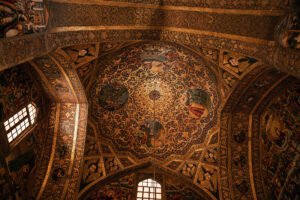
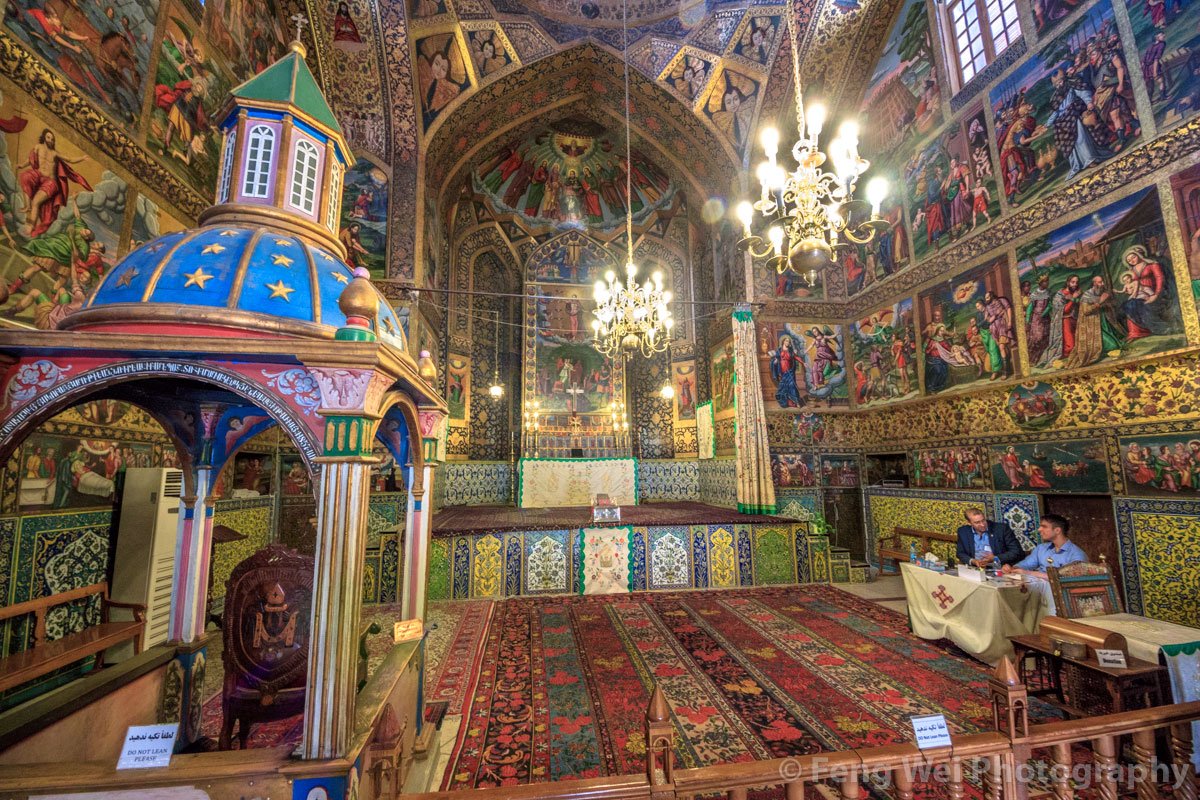
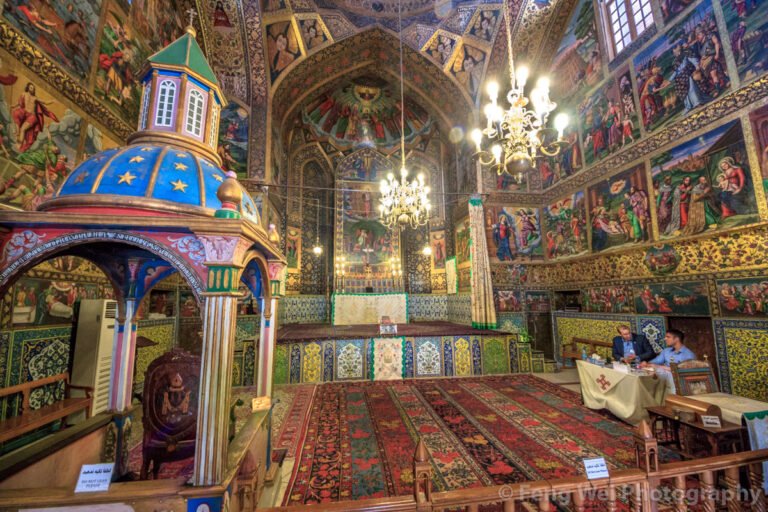
Vank Cathedral is a 17th-century church built for the Armenian community resettled under Safavid rule, and it’s often cited in discussions of Iran’s multi-faith heritage. While not a UNESCO World Heritage site itself, it complements the UNESCO-listed Safavid urban fabric of nearby Isfah...
Safavid Urban Masterpiece
Esfahan reached its architectural peak under the Safavid dynasty, whose 17th‑century planning created a coherent ensemble of mosques, palaces, and gardens around monumental public spaces. This legacy is recognized through UNESCO World Heritage inscriptions that highlight Iran’s Persian-Islamic...
Two-Tier Arcade Spine
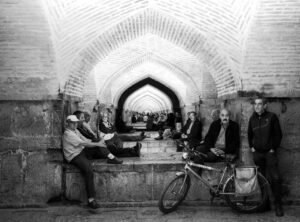
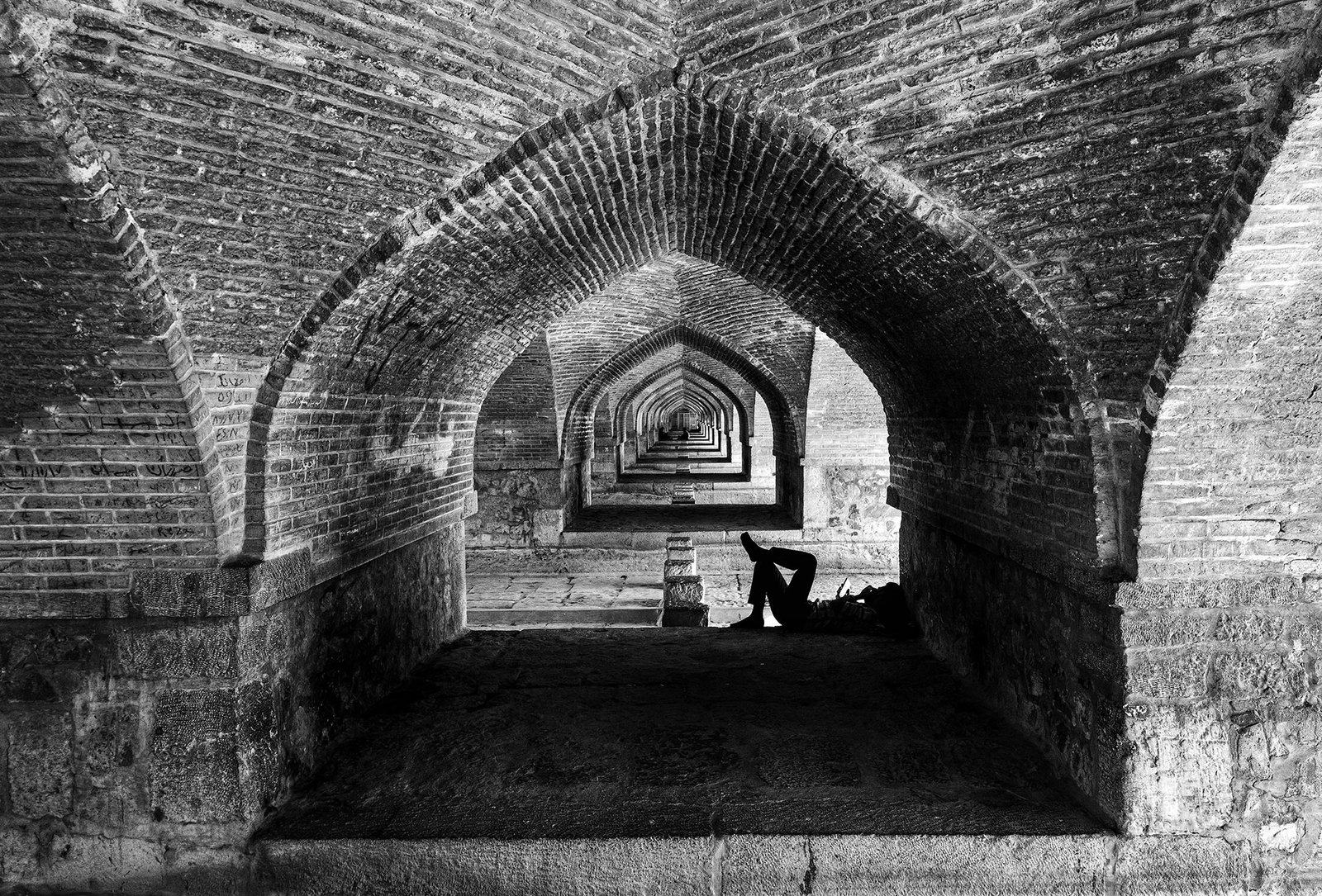
Si-o-Se Pol Bridge is a long, two-level arcade where repeating brick arches form a shaded pedestrian corridor that also reads as a piece of urban fabric. Its rhythmic bays frame changing views and create a linear public room that connects neighborhoods and gathering spots.
Persian Urban Design Showcase
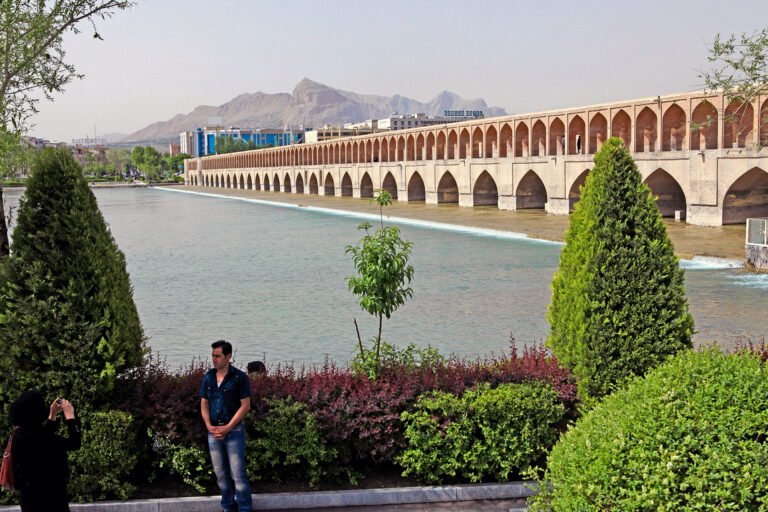
Si-o-Se Pol Bridge is a celebrated Safavid-era work of civic architecture, linking monumental avenues and public gathering spaces in historical Isfahan. While not a UNESCO site itself, it exemplifies the heritage values recognized in the nearby UNESCO-listed Meidan Emam ensemble.

Explore Esfahan

vank-esfahan
si-o-se-pol-couple

Find Your Way Around Esfahan

See all the key sights, landmarks, and hidden gems of Esfahan pinned exactly where they are — making it easier to plan your route and explore like a local.

Signature Tours including Esfahan

Keep Exploring

Discover Iran’s Most Beautiful Cities

Continue your adventure beyond Esfahan with a selection of destinations that truly showcase the diversity and beauty of Iran. From historic cities and cultural capitals to mountain escapes and desert wonders, each destination brings its own rhythm, stories, and unforgettable experiences.
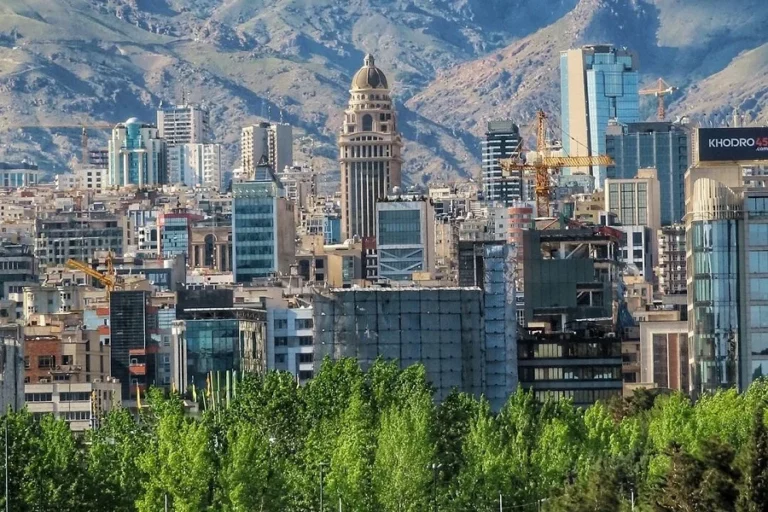
Tehran facing Alborz Mountains
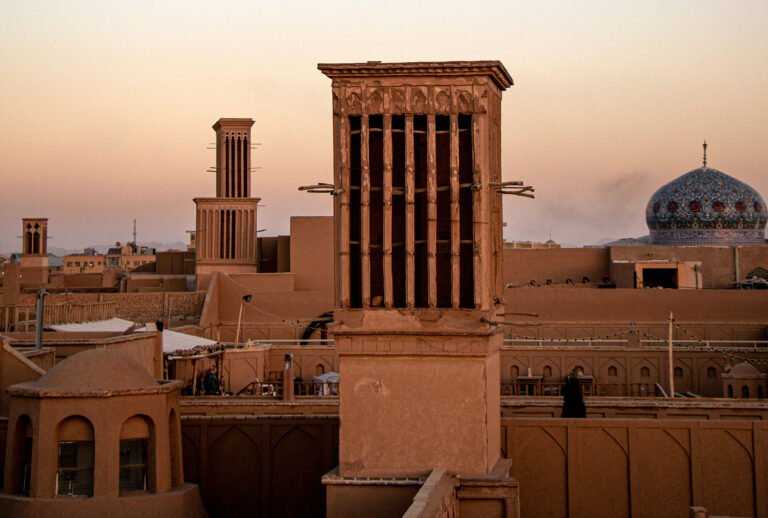
Windcatchers-Yazd
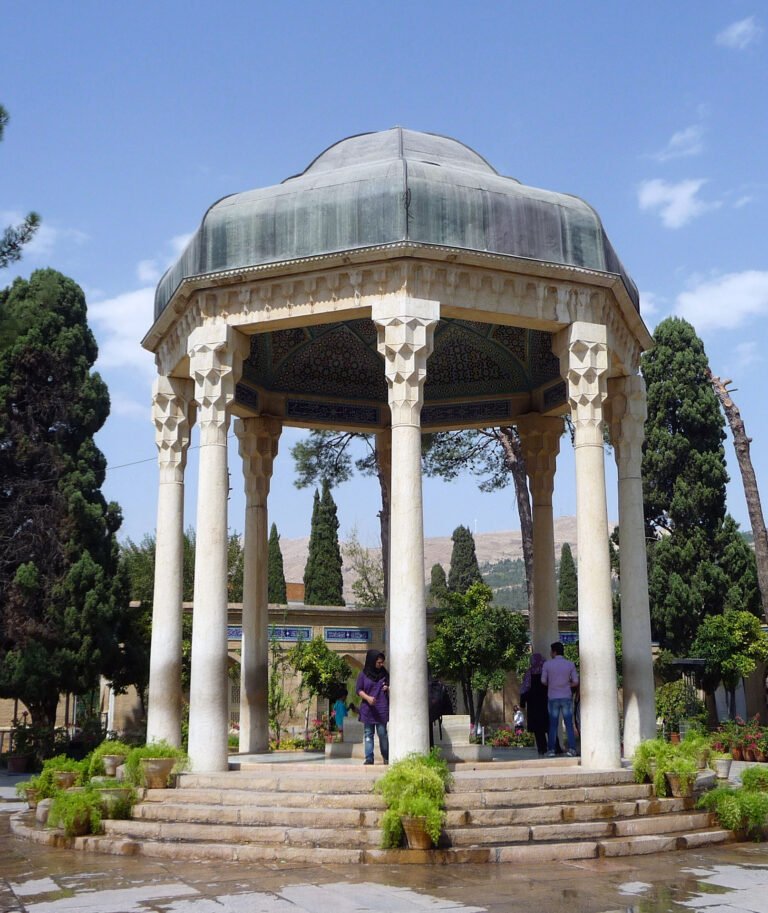
Hafez-Tomb
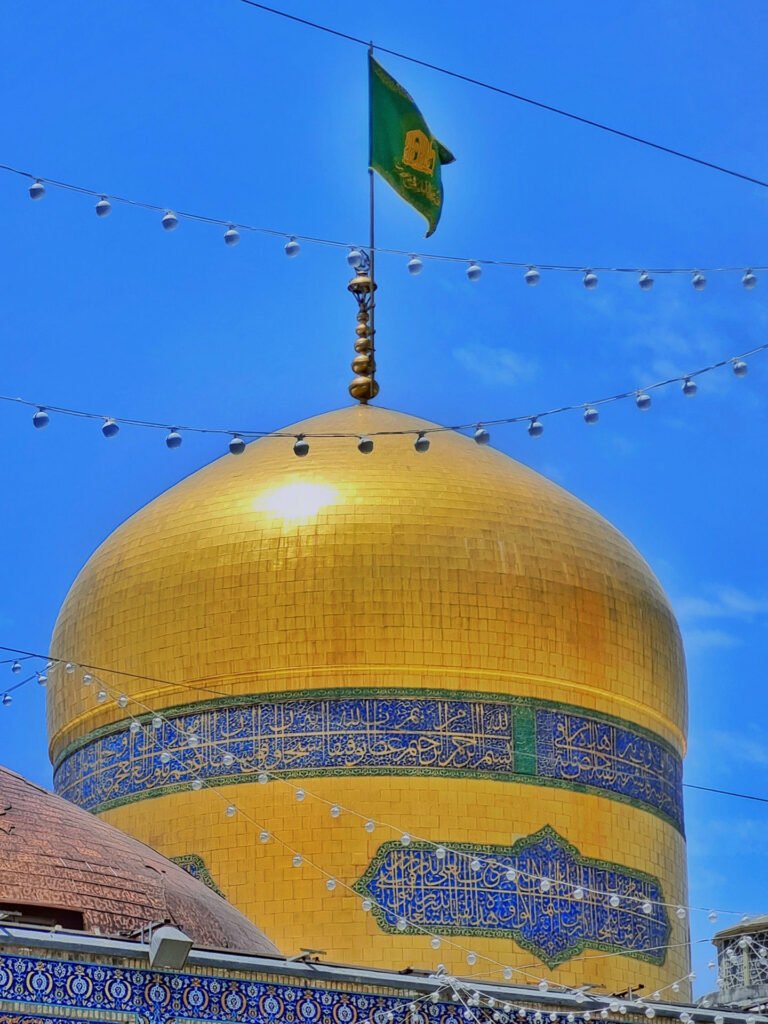
Imam-Reza-MAshhad
sari-3-pardisan
Tabriz-Clock
agha bozorg mosque kashan pardisan

Frequently Asked Questions about Esfahan

In Esfahan, Naqsh-e Jahan Square (Imam Square) is the city’s most concentrated statement of Safavid-era ambition—an urban stage where politics, faith, commerce, and ceremony were designed to meet. Rather than a single monument, it’s a planned ensemble that helps explain why Esfahan became a capital of architecture, craftsmanship, and public life.

What makes it distinctive is how the square orchestrates your attention. Notice the deliberate axes: the Shah Mosque (Imam Mosque) anchors one end with monumental portals and tilework, while Sheikh Lotfollah Mosque faces it with a more intimate, jewel-like presence; Ali Qapu Palace introduces the courtly viewpoint, and the Qeysarieh Bazaar gateway pulls you into the city’s trading arteries. The slight rotation of mosque entrances relative to the square is also worth spotting—an elegant way to reconcile urban geometry with prayer orientation.

A visit typically feels spacious and unhurried: broad sightlines, long walking loops, and frequent pauses for details at a distance and up close. Surfaces are mostly hard paving, with plenty of open sun and shade pockets along arcades. Photography is generally welcome in outdoor areas, but inside active religious spaces, keep voices low, avoid blocking worshippers, and look for posted guidance that may limit flash or certain angles.

In Esfahan, the Jameh Mosque (Masjed-e Jameh) is less about a single postcard view and more about reading a city’s history in brick, tile, and space. Unlike the more “set-piece” monuments, it evolved over centuries, so you’re essentially walking through layers of architectural ideas and dynastic tastes.

What to notice first is the plan: a large courtyard framed by four iwans (monumental vaulted portals), which became a defining pattern for Iranian mosque design. Look closely at how the decoration shifts as you move—subtle brickwork geometry, then bursts of glazed tile, then inscriptions that feel like they’re guiding your eye upward.

On site, expect a complex layout with multiple prayer halls, side chambers, and quiet corners rather than a single linear route. Surfaces can be uneven and worn in places, and the atmosphere is often calm; people may be there to pray as well as to visit. Photography is usually fine in many areas, but be discreet around worshippers and follow any posted guidance, especially in active prayer spaces.

In Esfahan, Si-o-se Pol (the “Bridge of 33 Arches”) matters less as a monument you circle once and more as a piece of urban life that still frames the riverfront. Built in the Safavid era as a ceremonial and practical crossing, it helped stitch together royal gardens and the city’s public spaces, turning the Zayandeh Rud into a stage for daily movement.

On-site, look for how repetition creates drama: the long arcade of arches, the shifting light under the vaults, and the way the bridge reads differently from each bank. The best details are often at eye level—brick patterns, worn edges from centuries of foot traffic, and the changing acoustics as you move from open air to the covered passages.

A common misconception is that it’s only “worth it” when the river is full. Even in drier periods, the bridge’s scale and geometry still land, and locals often use it as an evening promenade. Expect a linear, walk-through experience on stone and brick surfaces; keep to the flow, and be considerate when photographing people who are simply out for a stroll.

Scroll to Top