f f f f f f f f f f f f f f f f f f
5°C
scattered clouds
0 Tours

Destinations of Iran

Mashhad Uncovered

Iran’s pilgrimage capital, rich in culture, faith, history and hospitality

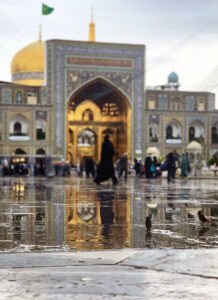
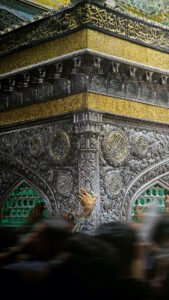
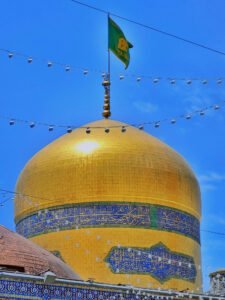
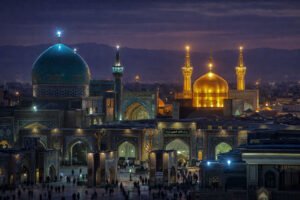
Mashhad sits in northeastern Iran as a city shaped by pilgrimage, learning, and everyday commerce. Its heart is the shrine complex of Imam Reza, where courtyards, iwans, and domes create a shifting rhythm from quiet dawn to crowded evenings. Around it, bazaars and small workshops thread through older neighborhoods, while broad avenues and newer districts show how the city keeps expanding.
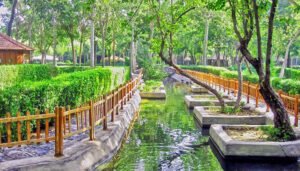
Beyond the central precinct, Mashhad offers a layered sense of place: museums and libraries that reflect its religious scholarship, parks and boulevards that soften the urban pace, and a food culture that ranges from saffron-scented rice to hearty stews and sweet confections. Day trips can lead to the mountain air of nearby villages and valleys, especially toward Torghabeh and Shandiz, where gardens and streams are part of local leisure.
As a travel base, Mashhad works well for exploring Khorasan’s history and landscapes while staying connected by rail and air to other Iranian cities. Its atmosphere is often contemplative, yet unmistakably busy, with a steady flow of visitors, students, and traders moving through the same streets.

Mashhad Highlights
  • Visit the Imam Reza Shrine complex, a major spiritual and architectural landmark.
  • Stroll through traditional bazaars for saffron, turquoise, and local sweets.
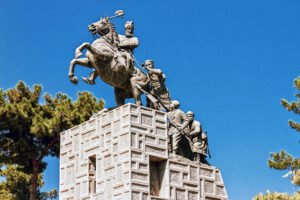
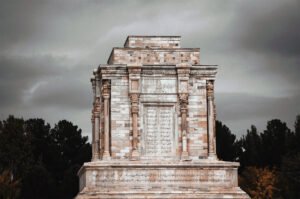
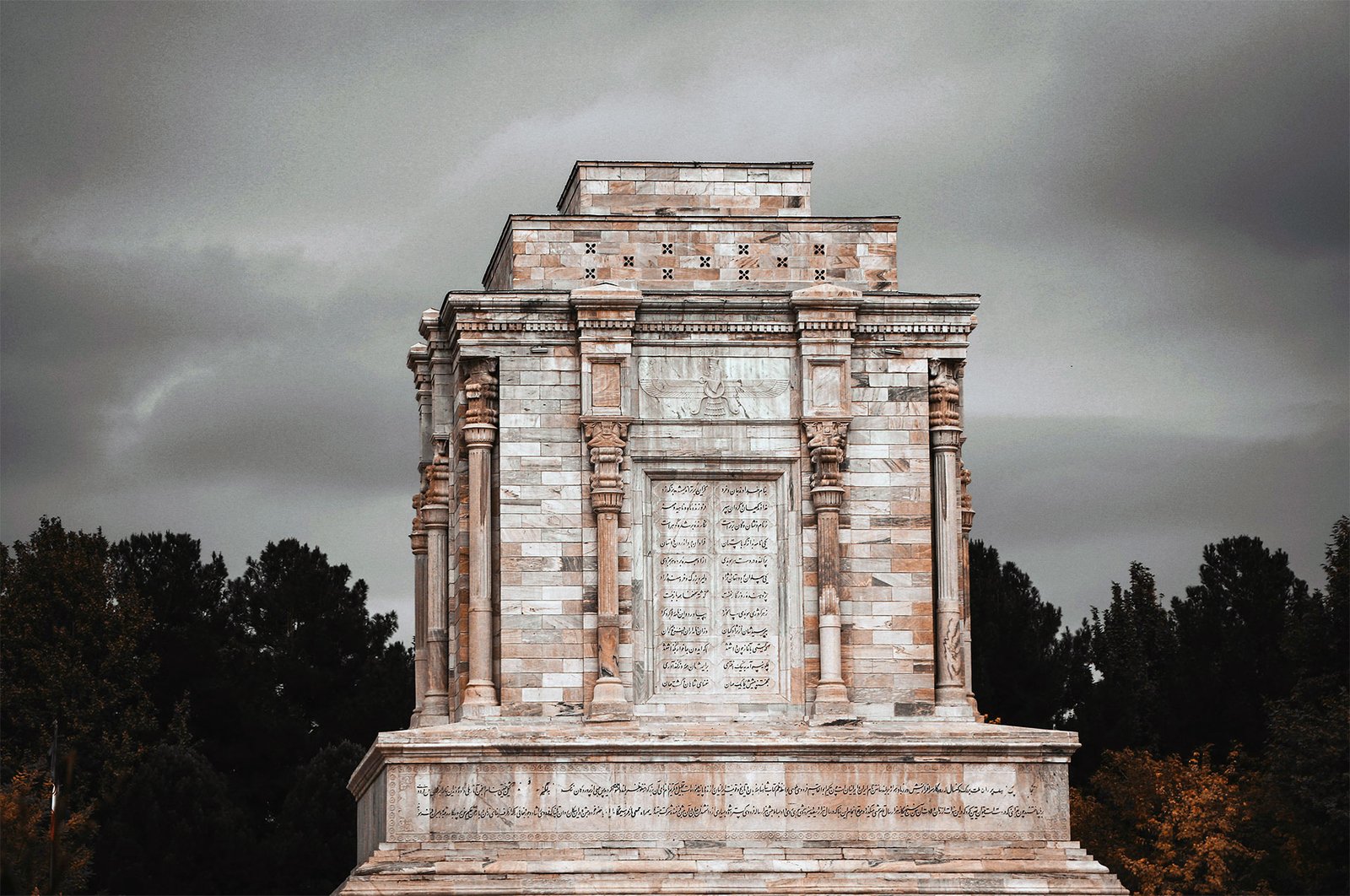
  • Explore Ferdowsi’s mausoleum in nearby Tus, celebrating Iran’s epic poet.
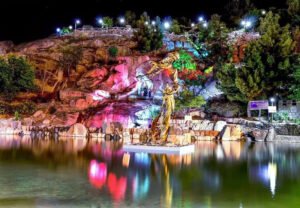
  • Relax in Koohsangi Park, with views, gardens, and evening promenade vibes.
  • Sample Mashhadi cuisine, from sholeh to kebabs, in bustling local eateries.
Best Time to Visit Mashhad

Mashhad is rewarding year-round, but timing shapes the pace of your days. Spring brings fresh air and blooming gardens, with generally mild weather that suits walking between shrines, bazaars, and parks. Autumn is similarly comfortable, often clear and calm, making it a favorite for unhurried sightseeing and day trips beyond the city.Summer tends to be hot and dry, so early mornings and evenings feel best for exploring, while midday is ideal for museums and tea houses. Winter can be cold, with occasional snow and crisp nights; it’s a quieter season that pairs well with cozy cafés and a slower, more reflective visit to Mashhad’s sacred spaces.

How to Reach Mashhad

Mashhad is one of Iran’s easiest cities to reach, with multiple entry points depending on your route. Most international and domestic visitors arrive via Mashhad International Airport, then continue into the city by taxi or arranged transfer. The main railway station connects Mashhad with major Iranian cities, offering an overland option that’s often comfortable and straightforward. By road, long-distance buses and private cars approach Mashhad on well-traveled highways from Tehran, the Caspian region, and eastern border corridors. If you’re continuing onward, Mashhad also works well as a hub for trips into Khorasan, with plenty of onward transport choices once you’re in town.

Gateway to Tus Heritage
Mashhad sits near Tus, a historic center of Persian literature and learning, where the poet Ferdowsi is commemorated. The nearby site’s cultural landscape links the modern metropolis to deep Iranian heritage and long-running traditions of storytelling and scholarship.
Poetry Evenings and Calligraphy Studios
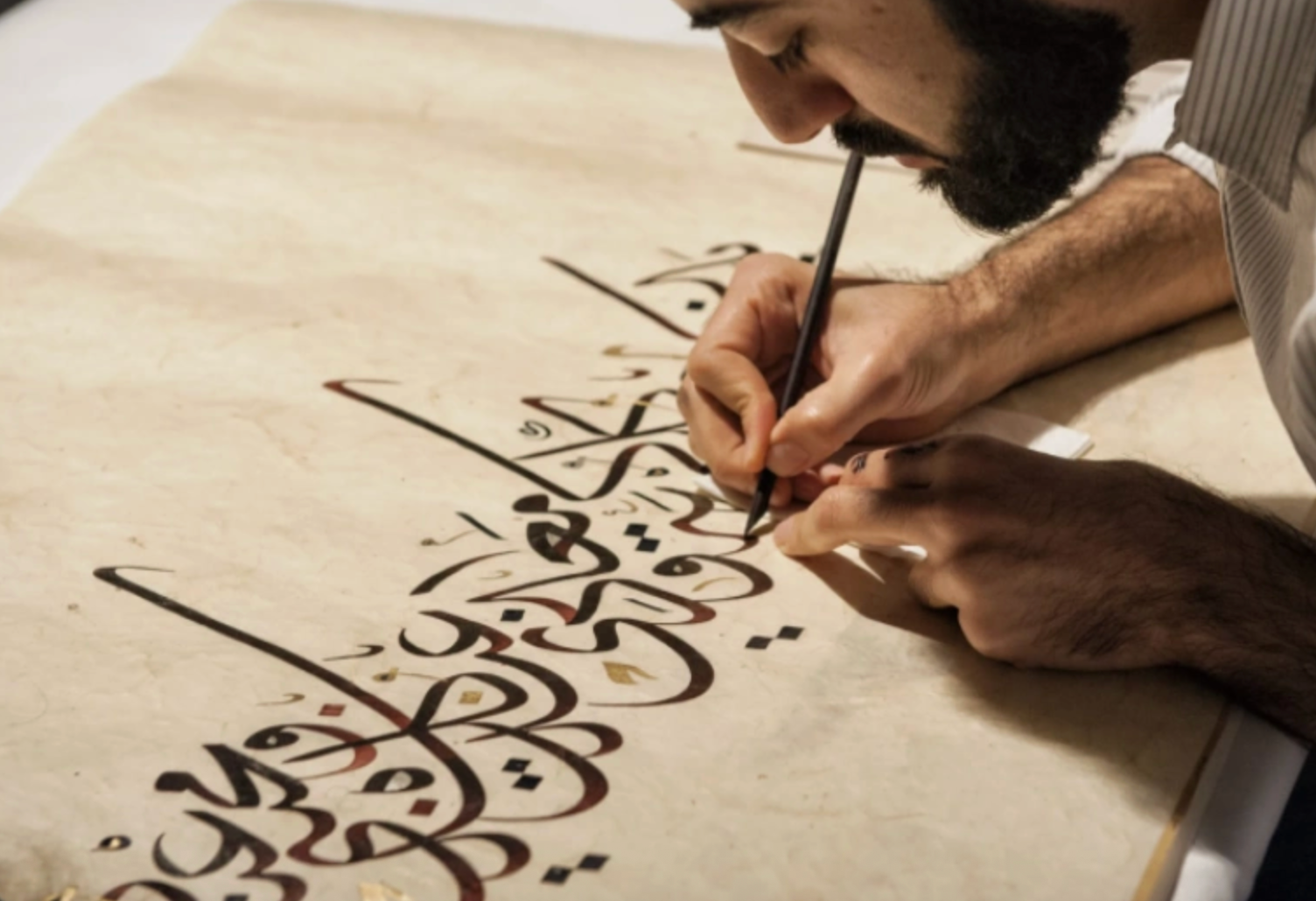
Mashhad’s cultural life extends beyond sacred spaces, with poetry readings, classical music gatherings, and calligraphy workshops reflecting Iran’s long literary and visual-arts traditions. Local galleries and handicraft studios often highlight miniature-style painting, metalwork, and intricate...
Carpet Looms and Turquoise Stalls
Mashhad’s long-running bazaars and workshops are known for hand-knotted carpets, embroidered textiles, and gemstone jewelry, with turquoise from nearby mines often set in silver. Traditional sweets and saffron are common market staples, reflecting the region’s trade links across northeastern...
Saffron and Sweet Traditions
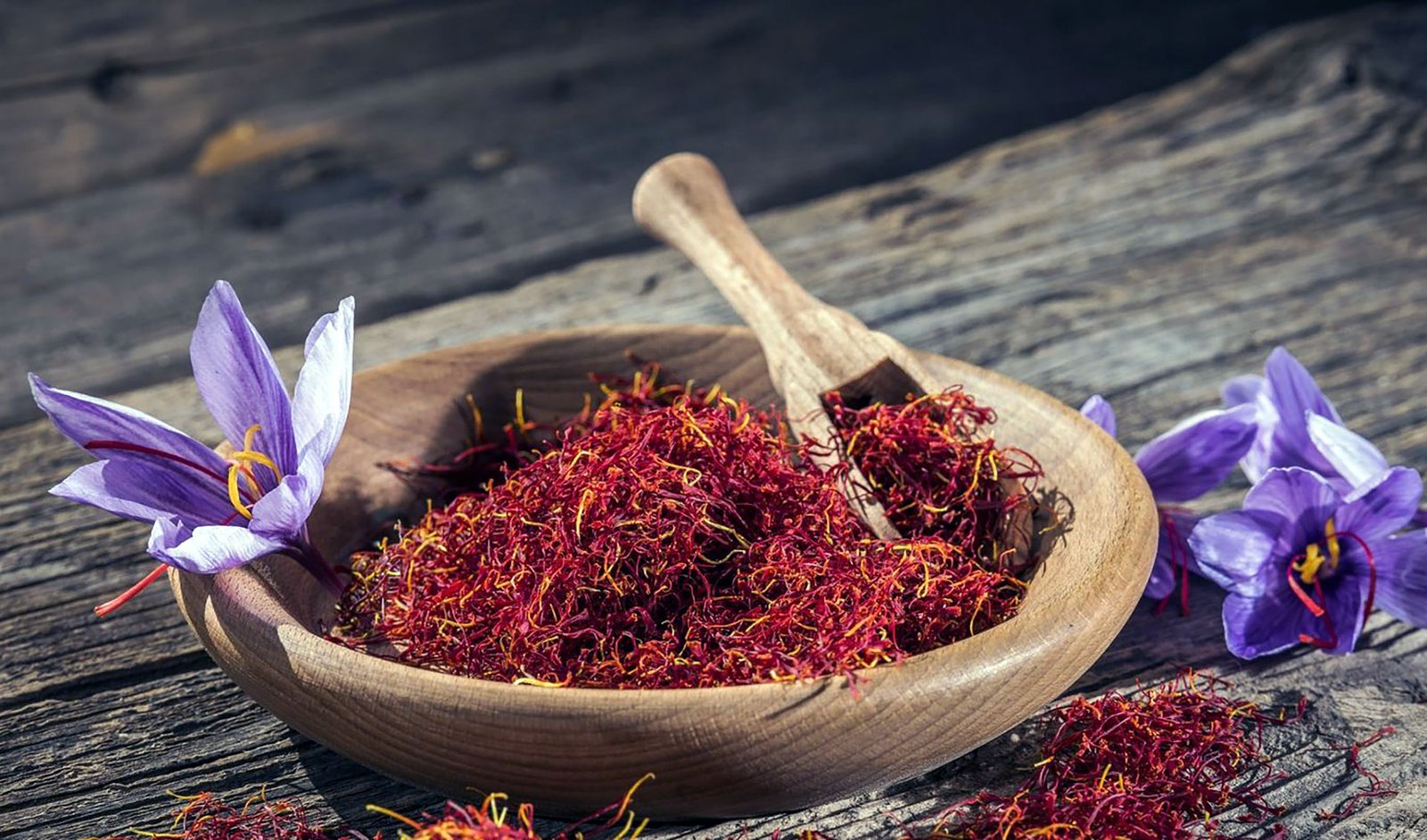
Mashhad is famed for saffron-rich specialties, reflecting northeastern Iran’s long ties to spice and confectionery. Local favorites include sholeh mashhadi, a slow-cooked wheat-and-meat stew, plus saffron candies and rock sugar often served alongside tea.
Oasis City at Mountain’s Edge
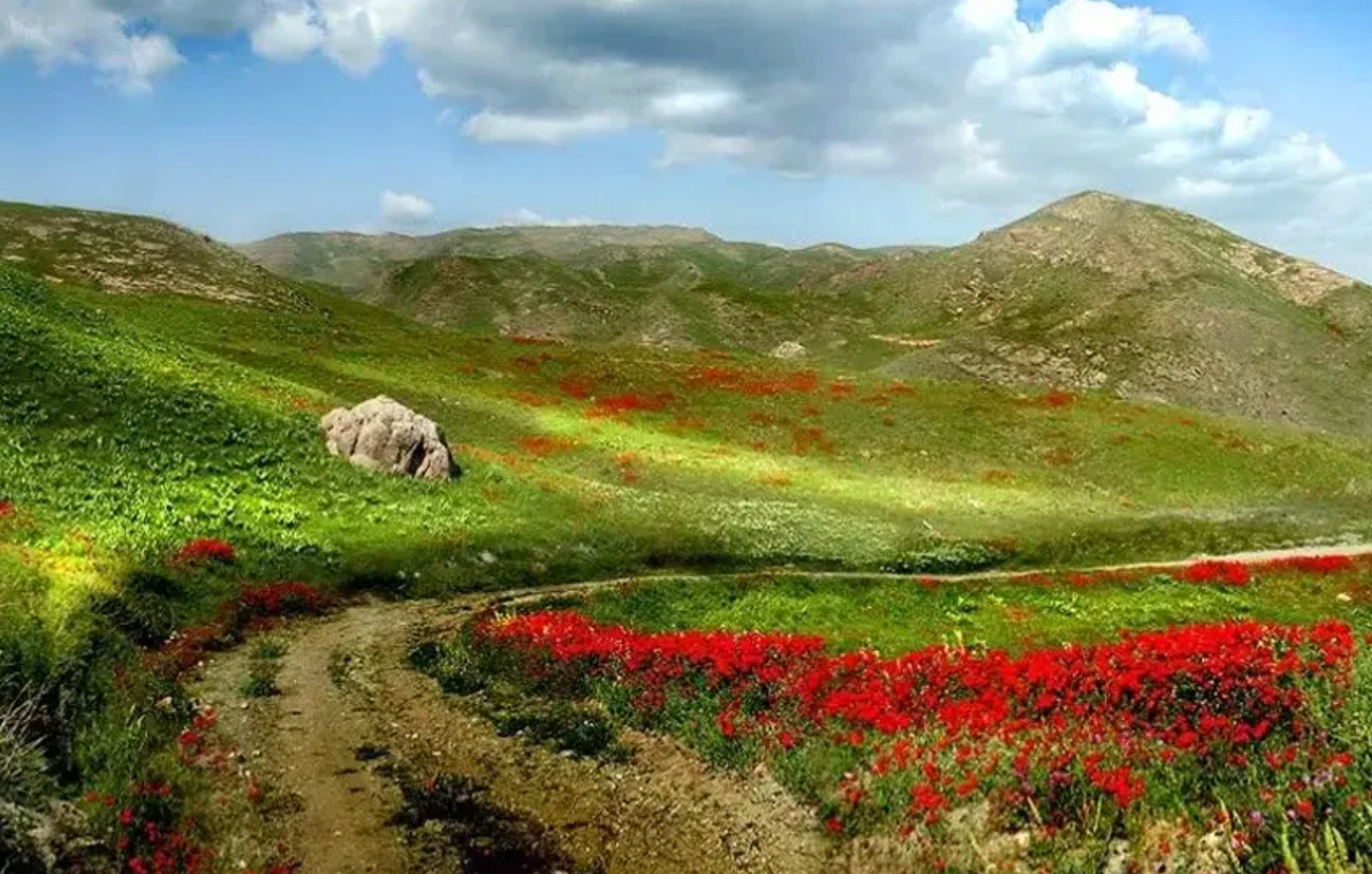
Mashhad sits on the Kashafrud plain at the foot of the Binalud Mountains, where irrigated gardens and orchards meet semi-arid steppe. Its setting makes it a natural crossroads between the Iranian plateau and routes leading toward Central Asia and Afghanistan.

Explore Mashhad

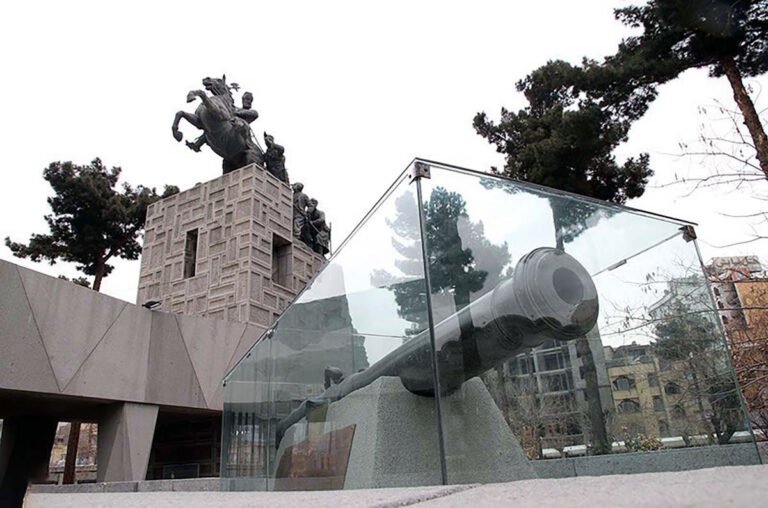
Nader-Shah
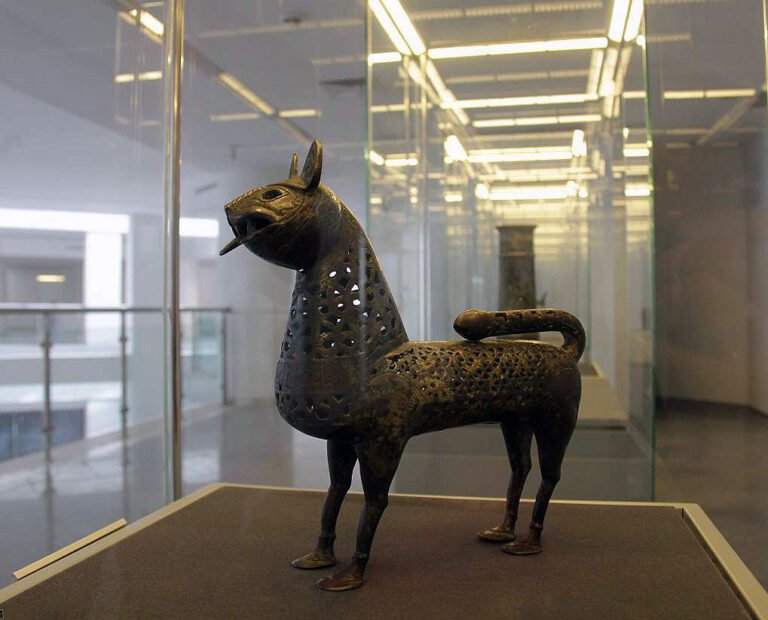
Khorasan-museum-1

Find Your Way Around Mashhad

See all the key sights, landmarks, and hidden gems of Mashhad pinned exactly where they are — making it easier to plan your route and explore like a local.

Signature Tours including Mashhad

Keep Exploring

Discover Iran’s Most Beautiful Cities

Continue your adventure beyond Mashhad with a selection of destinations that truly showcase the diversity and beauty of Iran. From historic cities and cultural capitals to mountain escapes and desert wonders, each destination brings its own rhythm, stories, and unforgettable experiences.
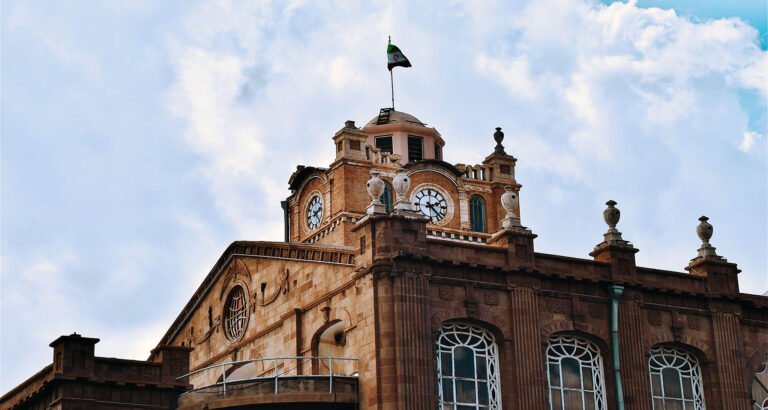
Tabriz-Clock
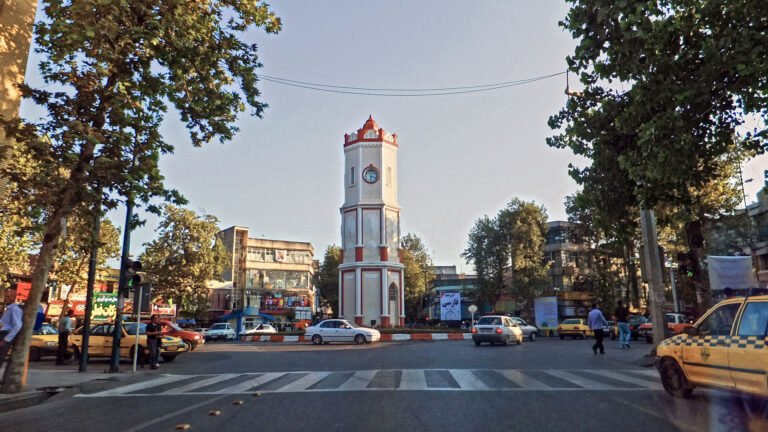
sari-3-pardisan
Esfahan_Sheikh_lotfollah
agha bozorg mosque kashan pardisan
Windcatchers-Yazd
Tehran facing Alborz Mountains
Hafez-Tomb

Frequently Asked Questions about Mashhad

In Mashhad, the Imam Reza Shrine is an active religious site and one of the city’s most important places of worship. Plan your visit with a respectful mindset and allow extra time, as entry routes and crowd levels can vary by day and season.

Dress modestly and follow on-site guidance closely. Some areas may have separate entrances or sections by gender, and you may be asked to use provided coverings; it’s best to comply without debate. Keep your voice low, avoid intrusive photography, and don’t photograph people at prayer without clear permission.

For a smoother experience, carry only essentials and be prepared for security checks. Large bags may be restricted or require storage, and rules around cameras, tripods, and phones can change—ask staff or look for posted signs. If you’re unsure where visitors may go, start at the main courtyards, observe the flow, and follow the directions of volunteers or guards.

If you’re visiting at peak times (holidays, evenings, or weekends), arrive earlier than you think you need. Practical details like access points and visiting times can shift, so confirm locally with your accommodation or official signage on arrival.

Mashhad is a pilgrimage city, and respectful etiquette at religious sites is taken seriously, even for first-time visitors. Planning your clothing and on-site behavior in advance helps you feel comfortable and avoids awkward moments at entrances or security checks.

Aim for modest, non-revealing clothing: long sleeves, long trousers or skirts, and muted outfits that don’t draw attention. Women are generally expected to cover their hair with a scarf; many major shrines and religious complexes provide or rent chadors near entrances, but availability and procedures can vary, so it’s wise to bring your own scarf just in case.

Inside, keep your voice low, move calmly with the flow of worshippers, and follow posted signs about where to stand, sit, or queue. Photography rules can differ by courtyard and interior area—when in doubt, don’t film, and ask staff or look for signage. If you’re unsure about which entrance to use or which section is appropriate for visitors, ask a volunteer guide or attendant; they’re often accustomed to helping non-local travelers.

In Mashhad, the Imam Reza Shrine is both a major religious site and a large, multi-entrance complex, so a little planning makes your visit calmer and more respectful. Aim to arrive with extra time for security checks and orientation, especially around prayer times, weekends, and religious holidays when crowds can be heavier.

Choose a clear meeting point if you’re traveling with others, as courtyards and corridors can look similar and phone signals may be inconsistent in dense areas. Keep valuables minimal and easy to secure, and carry only what you need—bags may be screened, and some items can be restricted inside certain sections.

If you want a quieter experience for contemplation or photography of architecture (where permitted), consider visiting outside peak periods and follow posted signs about where cameras are allowed. For guidance on permitted areas, visitor flow, or facilities like restrooms and water points, ask on-site staff or information desks; procedures can change, so it’s wise to confirm locally on the day.

In Mashhad, the Imam Reza Shrine complex is vast and can feel maze-like on a first visit, especially around peak prayer times. A simple plan—choosing one main entrance, one meeting point, and one exit—will save you time and stress.

Start by identifying the courtyard (sahn) or landmark you’ll use as your anchor, then take a photo of the nearest gate name/signage so you can retrace your route. If you’re visiting with a group, agree on a fixed rendezvous spot outside the busiest flow areas; crowds can make phone reception and visibility unreliable.

Expect separate entrances or screening lanes in some areas, and be prepared for brief bag checks. To reduce delays, carry fewer loose items and keep essentials easy to reach; if you have religious items or gifts, pack them neatly so they’re quick to inspect.

Inside, move with the direction of foot traffic and avoid stopping in narrow passageways. If you’re unsure where a corridor leads, ask a staff member or volunteer guide on-site; they’re often stationed near major gates, and local advice beats guessing.

In Mashhad, the Imam Reza Shrine is a major religious site and can feel very different depending on when you arrive. For a calmer experience, many travelers aim for earlier daytime visits, when courtyards and corridors often feel easier to navigate and you can orient yourself without pressure.

Evenings—especially around prayer times and on weekends or religious occasions—tend to draw larger local crowds and a more intense devotional atmosphere. That can be deeply meaningful, but it may also mean slower movement, longer waits at entrances, and less space to pause.

If you want both clarity and atmosphere, consider a two-part plan: a daytime visit to learn the layout (courtyards, entrances, facilities), then a shorter evening return for the ambience. Conditions can change quickly during holidays and special commemorations, so it’s wise to confirm on-site signage and follow staff guidance.

In Mashhad, the most reliable way to arrange a guide—especially if you plan to visit religious sites like the Imam Reza Shrine district—is to book through your hotel concierge or a well-established local travel agency. These channels tend to be easier to verify, and they can match you with a guide who understands respectful routing, crowd dynamics, and language needs.

Before confirming, ask what the tour specifically includes: walking vs. vehicle time, whether the guide can help with orientation around major courtyards and nearby bazaars, and what level of religious-site etiquette guidance they provide. It’s also reasonable to request a clear meeting point, a written itinerary, and the guide’s ID or agency details.

If you’re approached by freelance guides near busy areas, treat it as a screening opportunity rather than an automatic “no.” Agree on the scope (hours, stops, language) upfront, avoid handing over passports or original documents, and consider paying in stages for longer services. For any special access claims or “guaranteed” entry promises, assume these are not reliable and confirm locally with official staff or your accommodation.

Scroll to Top