Destinations of Iran
Shiraz Uncovered
Shiraz is one of Iran’s historically significant urban centers, shaped by geography, climate, and centuries of cultural development. Its built environment reflects long-standing adaptation to local conditions, with architecture, materials, and spatial organization closely tied to daily life and the practical realities of the region.
The city’s identity has been reinforced over time through craft traditions, religious and civic institutions, and patterns of urban continuity that are visible in streetscapes, public spaces, and the cadence of neighborhood life. Many visitors associate Shiraz with a distinctive architectural vocabulary and a strong relationship between heritage and the modern city.
Beyond monuments, Shiraz is best understood through its atmosphere: the way people use shared spaces, the persistence of local skills, and the continuity of cultural practices embedded in everyday routines. Local cuisine, workshops, and markets often become as memorable as major sites. As a destination, it offers context for broader Iranian history while remaining unmistakably local in character.
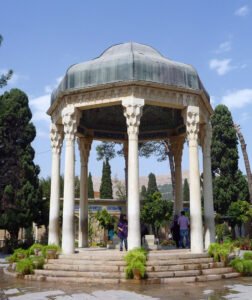
- Wander fragrant gardens and pavilions, where poetry and shade linger.
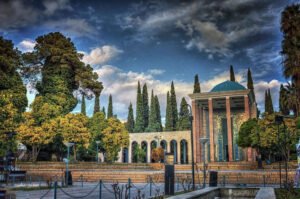
- Visit revered tombs of Hafez and Saadi, central to Persian identity.
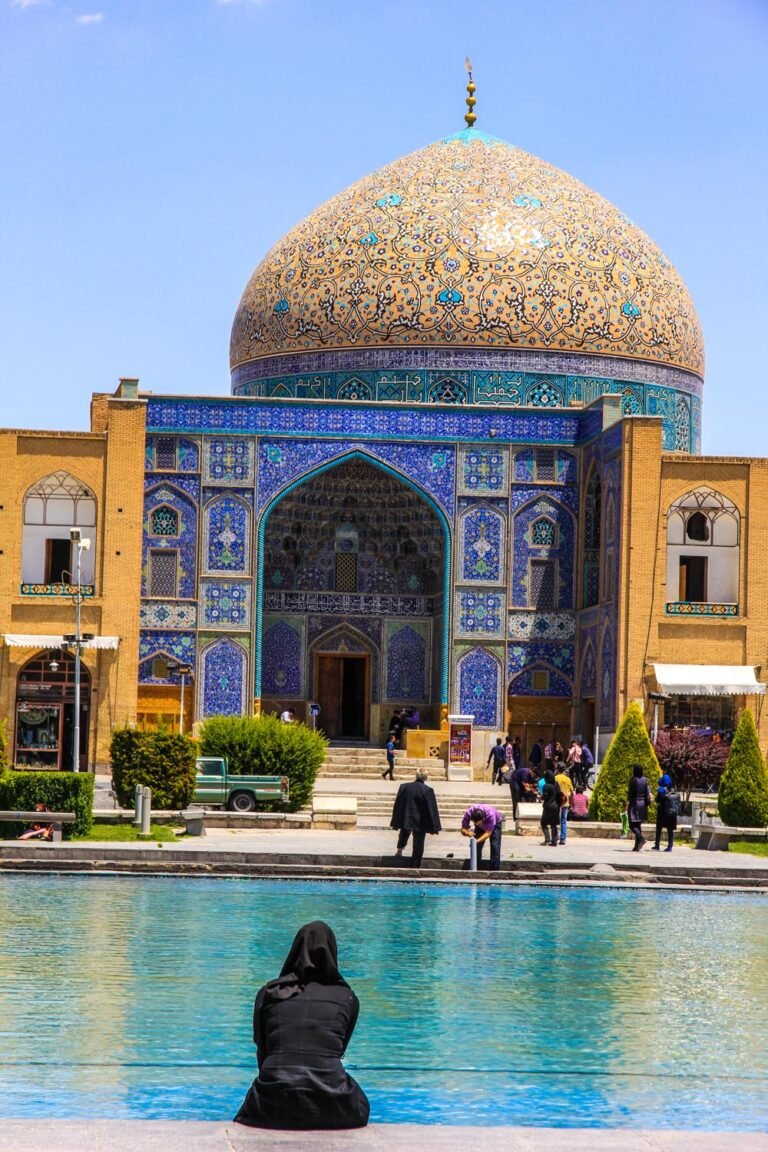
- Admire intricate tilework at Nasir al-Mulk Mosque, glowing in morning light.
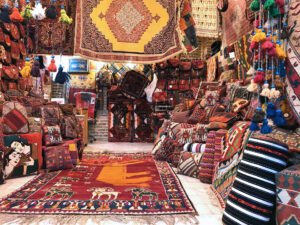
- Explore Vakil Bazaar’s lanes, rich with spices, textiles, and craftsmanship.
- Step into Karim Khan Citadel, a sturdy landmark of Zand-era Shiraz.
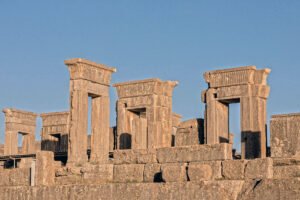
- Take day trips to Persepolis and Pasargadae, milestones of ancient Iran.
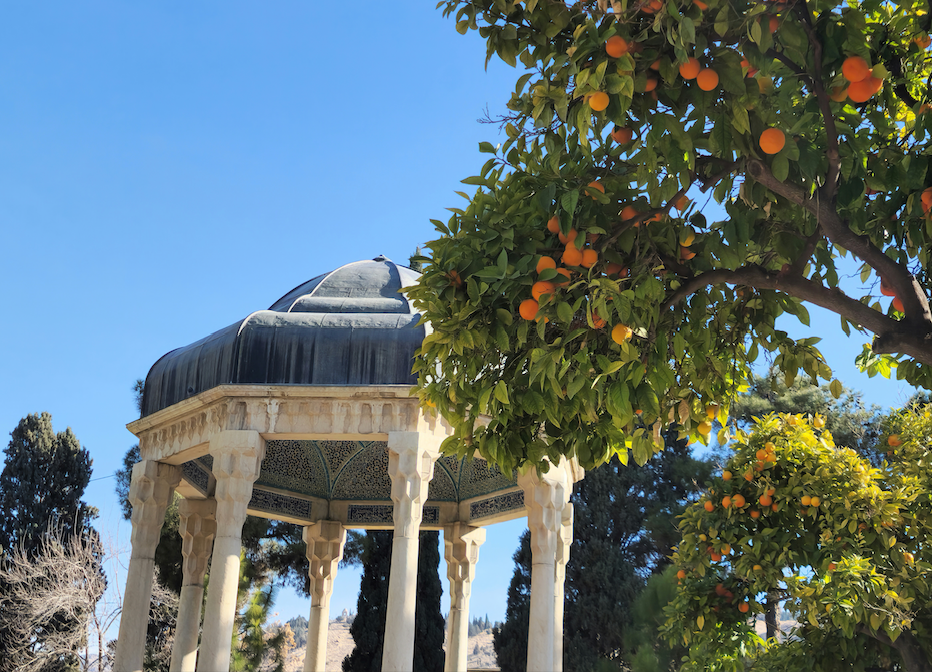
- Wander fragrant gardens where cypress shade meets flowing water channels.
Shiraz is at its most inviting in spring, when gardens and boulevards turn lush and the air is generally mild—ideal for lingering at outdoor cafés and strolling through historic quarters. Autumn is another favorite, with clear skies and comfortable days that suit city walks and day trips beyond town.
Summer can feel hot and bright, so many travelers plan early starts, shaded breaks, and slower afternoons. Winter is usually quieter and can bring cooler, changeable weather; it’s a good fit if you prefer fewer crowds and don’t mind packing layers for evenings.
Shiraz is well connected by air, rail, and road, making it easy to include in a wider Iran itinerary. Most visitors arrive via Shiraz International Airport, with domestic flights from major Iranian cities and some international connections depending on season and routing. Trains link Shiraz with key hubs across the country, offering a comfortable, scenic alternative if you prefer to travel overnight or at a slower pace. By road, intercity buses and private transfers run frequently from nearby provinces and major centers, and the highways into Shiraz are generally straightforward. Once in the city, taxis and ride-hailing apps are common for reaching your hotel and sights.
Explore Shiraz
Attractions and Must-See Places in Shiraz
Find Your Way Around Shiraz
Signature Tours including Shiraz
We believe your journey through Shiraz should be immersive and deeply personal.
No results found.
Keep Exploring
Discover Iran’s Most Beautiful Cities
Frequently Asked Questions about Shiraz
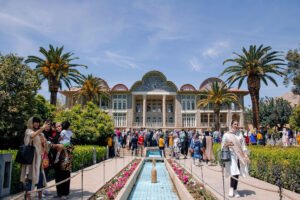
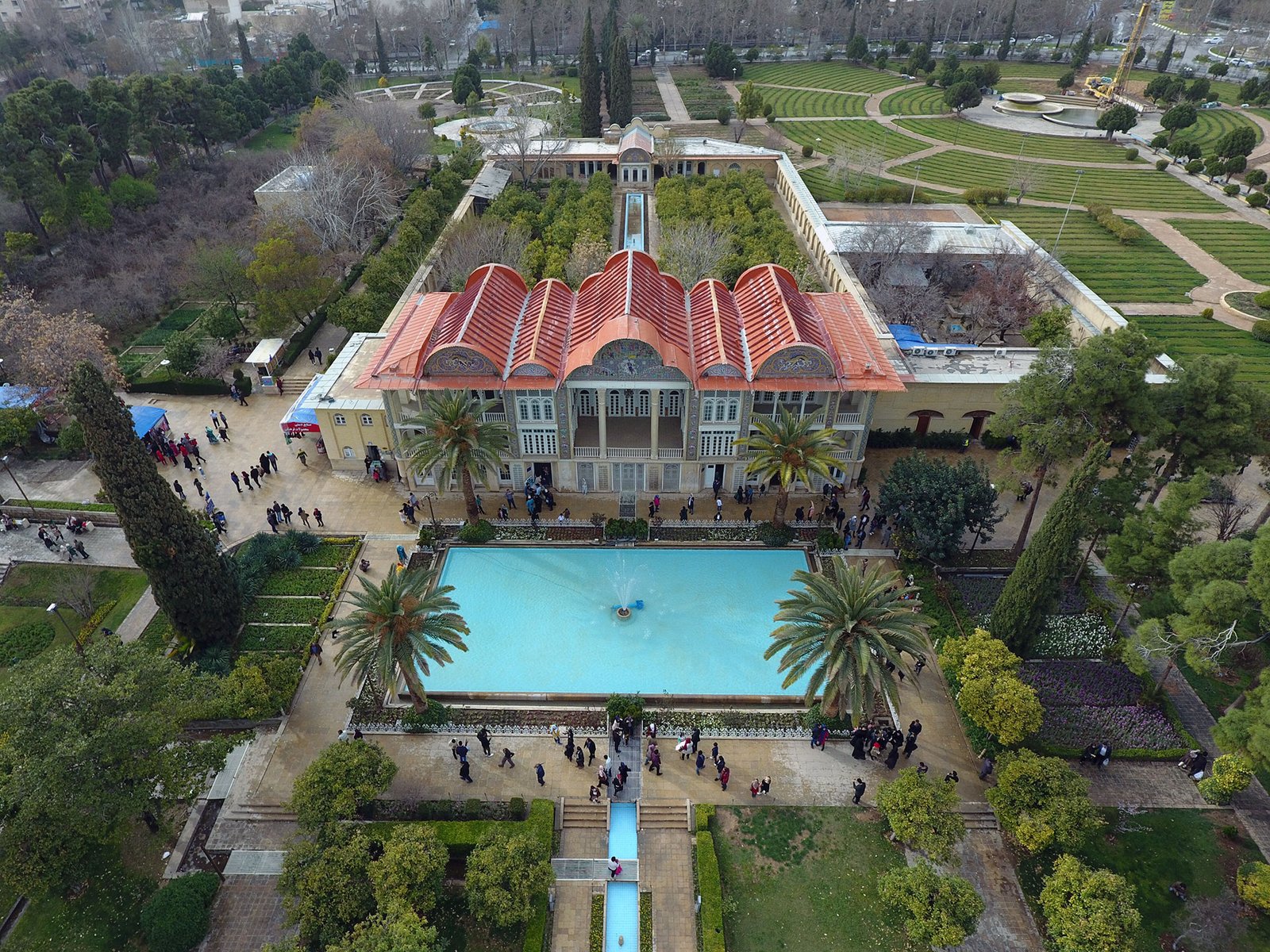
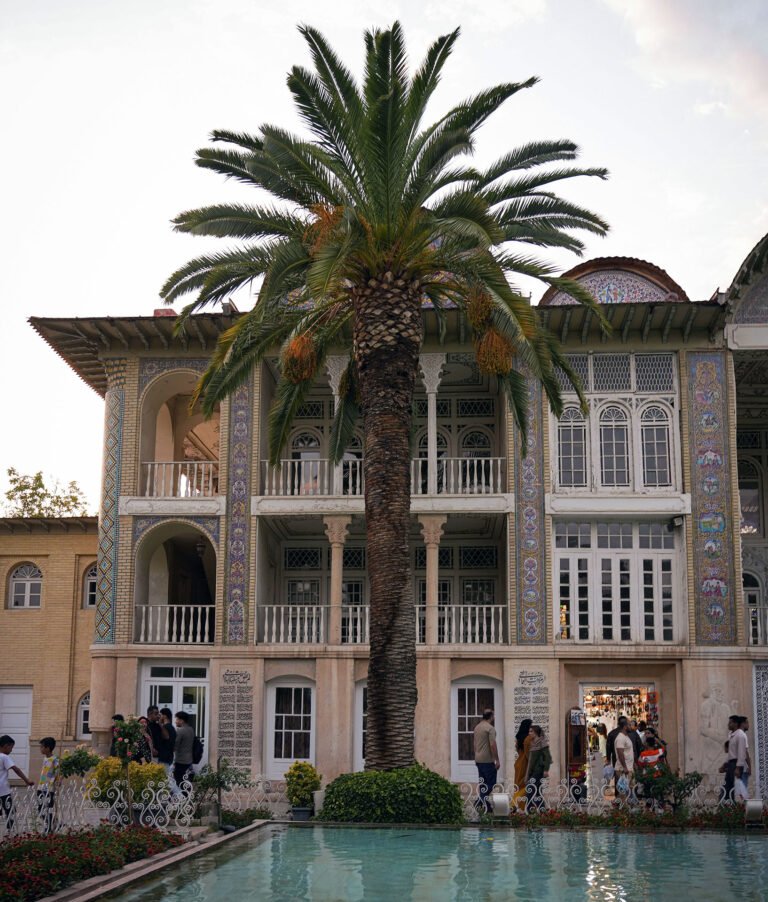
In Shiraz, Eram Garden is admired not only as a classic Persian garden but also as a snapshot of how elite garden estates evolved in the late Qajar era and into the early Pahlavi period. The garden’s long axis, water channels, and layered planting are designed to guide your eye toward the pavilion, where architecture becomes part of the landscape.
The pavilion’s façade is often the detail visitors remember most: colorful tilework with narrative scenes and ornamental motifs that reflect tastes of the time, blending courtly imagery with decorative pattern. Look closely at how the tiles frame windows and balconies—these borders act like visual “rugs,” turning the building into a display surface as much as a residence.
On-site, the visit typically feels like a slow promenade rather than a single viewpoint. Paths can be a mix of stone and compacted surfaces, and you’ll likely pause often for photos—just be mindful of planted beds and any roped-off areas around the pavilion and water features. Photography is generally part of the experience, but it’s wise to follow posted guidance and be considerate around families and students who also use the garden as a quiet retreat.