f f f f f f f f f f f f f f f f f f
6°C
clear sky
3 Tours

Destinations of Iran

Tehran Uncovered

The Beating Heart of Iran

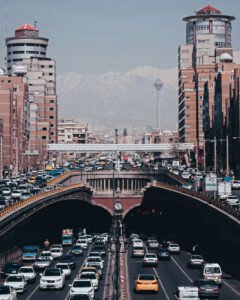
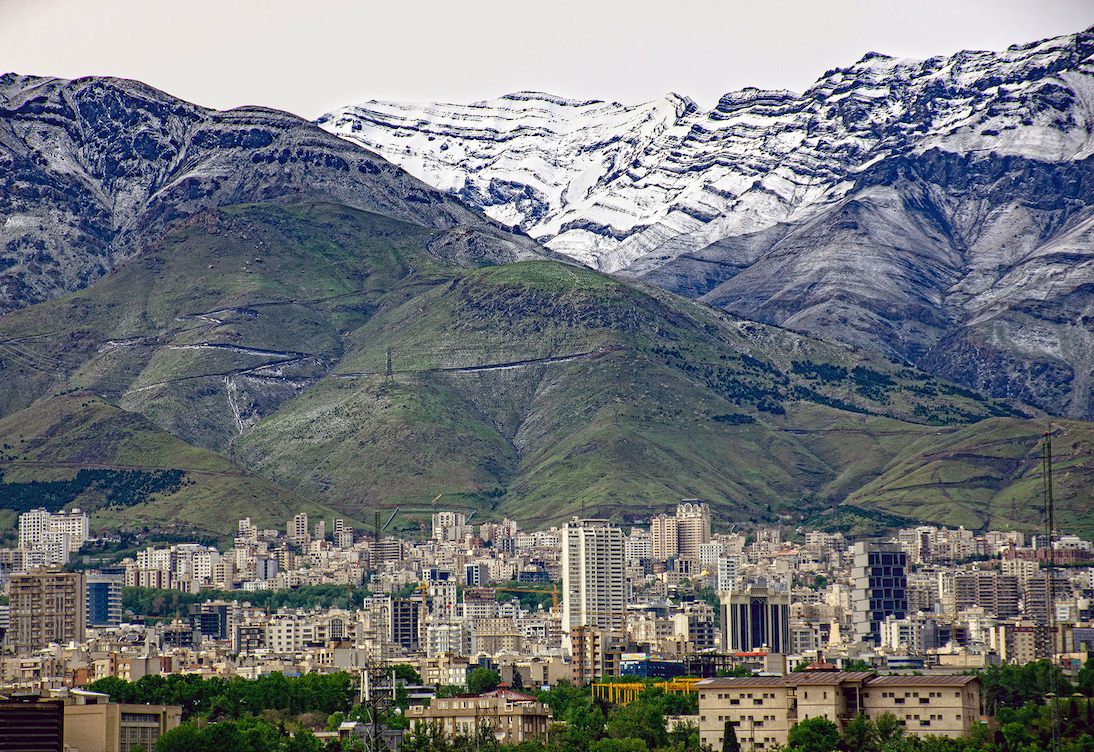
Tehran spreads from the southern plains up to the foothills of the Alborz Mountains, where the air cools and the city’s pace shifts with the altitude. As Iran’s capital and largest metropolis, it layers modern avenues, older neighborhoods, and pockets of quiet courtyards into a landscape shaped by rapid growth. On clear days, mountain ridgelines frame the skyline, while broad boulevards, small alleys, and lively squares reveal how daily life moves between work, family, and street-side conversation.
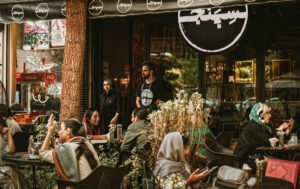
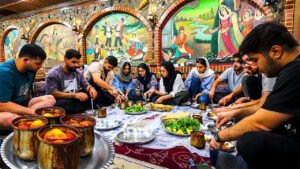
The city’s cultural range is felt in its museums, galleries, and performance spaces, alongside historic palaces and traditional bazaars that still anchor local trade. Cafés and bookstores sit near tech offices and universities, and parks offer shade for evening walks and picnics. Tehran’s food scene runs from classic kebab houses to modern kitchens, with tea, sweets, and seasonal fruit woven into routines.
Because Tehran is also a gateway to nearby nature, quick escapes to mountain trails and ski areas are part of the local rhythm, especially on weekends. The result is a city of contrasts—formal and informal, fast and reflective—best understood through its neighborhoods.

Tehran Highlights
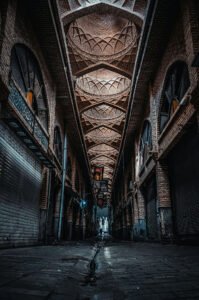
  • Explore bustling bazaars where spices, carpets, and crafts fill labyrinthine lanes.
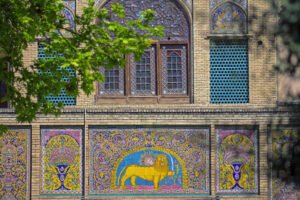
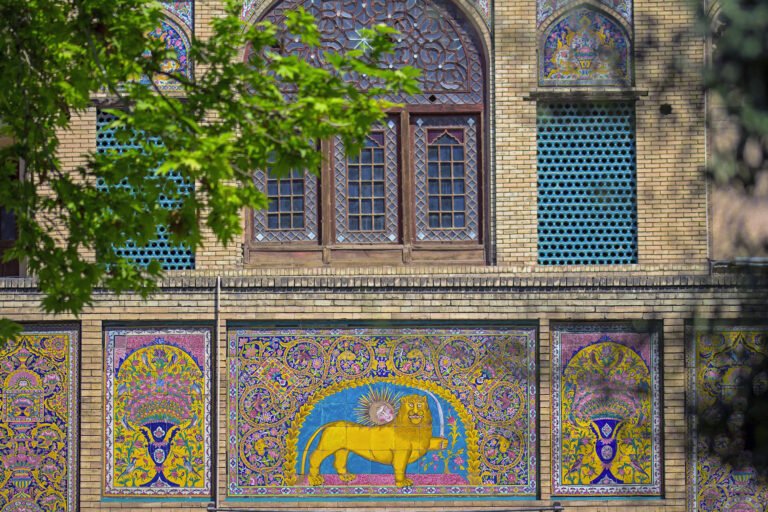
  • Visit museum-rich palaces showcasing Qajar and Pahlavi-era art and architecture.
  • Ride up to mountain viewpoints for crisp air and sweeping city panoramas.
  • Wander contemporary galleries and cafés in creative neighborhoods with youthful energy.
  • Sample Tehran’s food scene, from street snacks to refined Persian dining.
Best Time to Visit Tehran

Tehran is at its most comfortable in spring and autumn, when the city’s parks and tree-lined streets feel fresh and the air is generally clearer. Spring brings mild days and occasional showers, while autumn tends to be crisp, bright, and ideal for walking between museums, bazaars, and café neighborhoods.
Summer in Tehran is typically hot and dry, with stronger sun and a slower midday pace—best for early starts and evenings. Winter can be cold, and nearby mountains often see snow, which suits travelers who want easy access to ski areas and cozy indoor culture. If you’re sensitive to urban haze, shoulder seasons often offer the best balance.

How to Reach Tehran

Tehran is Iran’s main gateway, and most travelers arrive by air, rail, or road. International and domestic flights typically land at the city’s airports, with onward transfers by taxi, ride-hailing apps, or pre-arranged private cars into central districts. Intercity trains connect Tehran with major cities across the country; from the main railway station, metro lines and taxis make it easy to reach hotels and neighborhoods. Long-distance buses and private cars enter via multiple highways, and road travel can be a practical option from nearby regions. Inside Tehran, the metro is often the most predictable way to move around, while taxis and ride-hailing help bridge the last mile.

Nestled Beneath the Alborz Mountains
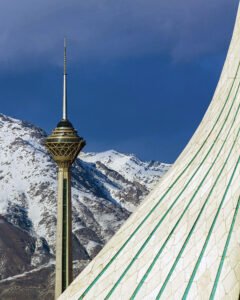
The city sits at the foot of Mount Tochal (3,963 m), giving Tehran a unique contrast of urban energy and alpine nature— you can ski in the morning and enjoy city cafés by evening.
The Vibrant Capital of IRAN
Tehran is the largest city and capital of Iran — a lively metropolis of over 9 million people, blending modern life, rich history, and mountain scenery in one dynamic destination.
Bazaar Spine and Modern Boulevards
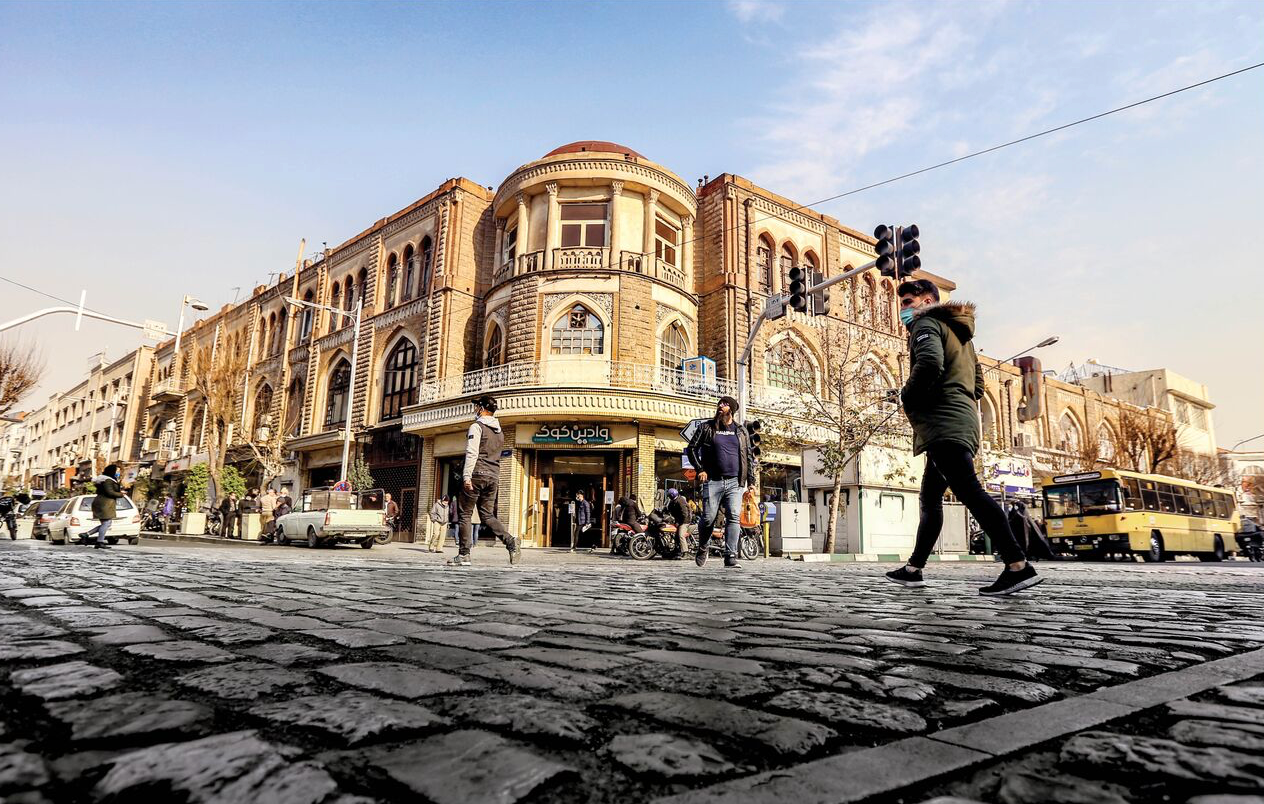
Tehran’s urban fabric layers a traditional bazaar-centered core with wide 20th‑century boulevards and later high‑rise districts. This mix creates sharp shifts in scale and street life, from covered market lanes to planned civic avenues and dense apartment neighborhoods.
City of Contrasts
Tehran is often called the “City of Contrasts,” where snow-capped Alborz peaks rise just north of dense urban neighborhoods. Its identity blends royal-era palaces, modern high-rises, and a lively street culture shaped by bazaars, cafés, and art spaces.

Explore Tehran

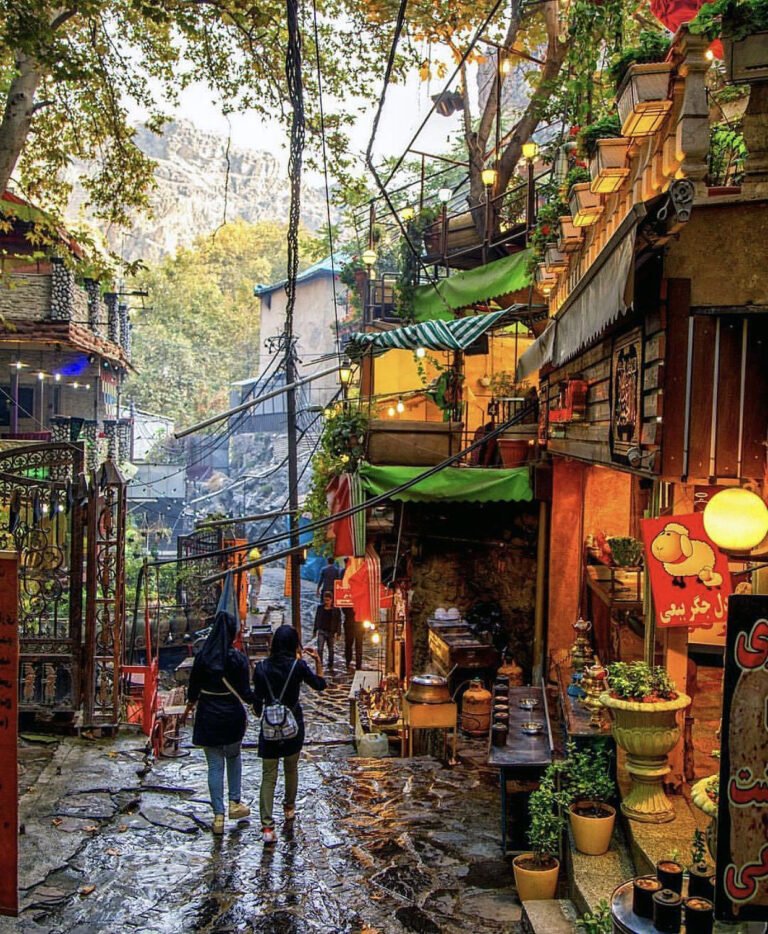
darband-tehran-9
Golestan-Palace-Tehran

Find Your Way Around Tehran

See all the key sights, landmarks, and hidden gems of Tehran pinned exactly where they are — making it easier to plan your route and explore like a local.

Signature Tours including Tehran

Keep Exploring

Discover Iran’s Most Beautiful Cities

Continue your adventure beyond Tehran with a selection of destinations that truly showcase the diversity and beauty of Iran. From historic cities and cultural capitals to mountain escapes and desert wonders, each destination brings its own rhythm, stories, and unforgettable experiences.
sari-3-pardisan
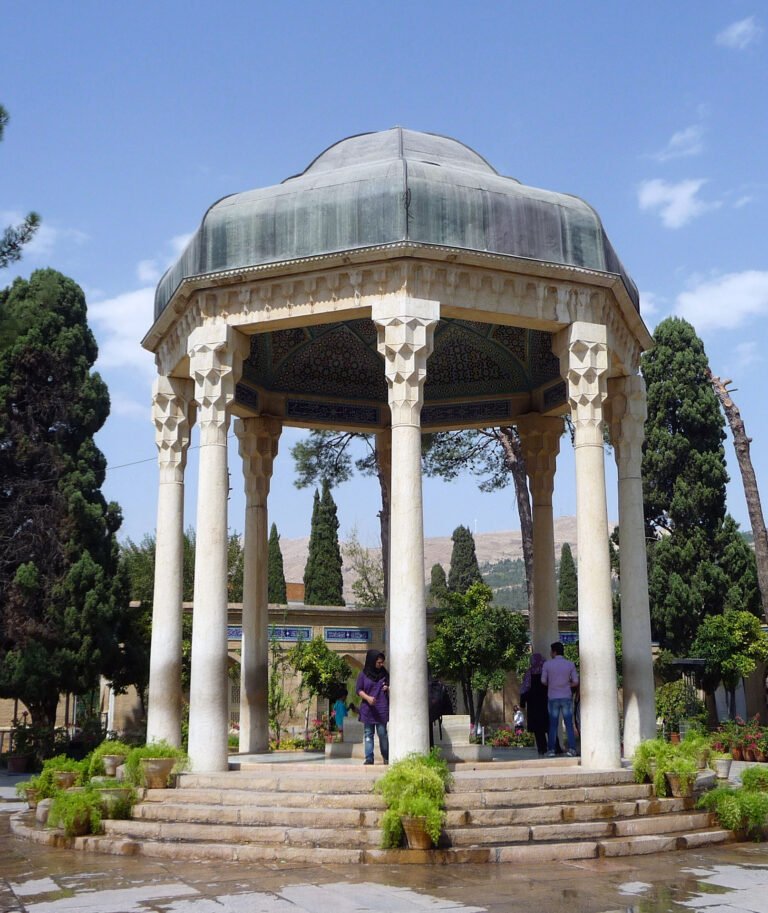
Hafez-Tomb
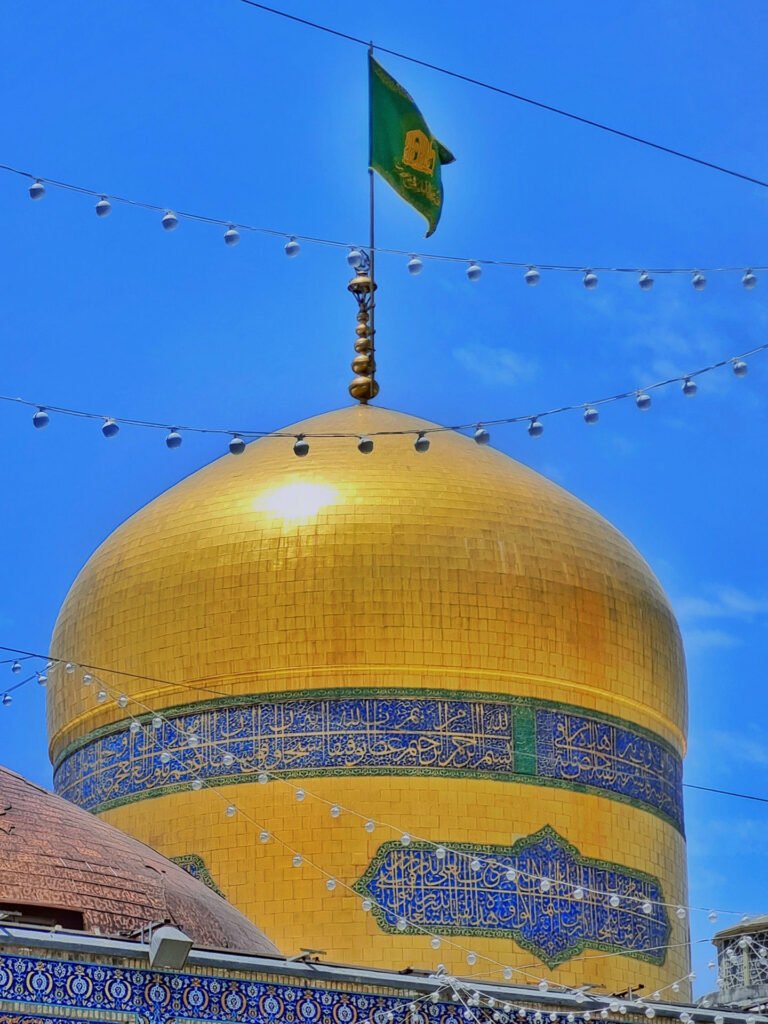
Imam-Reza-MAshhad
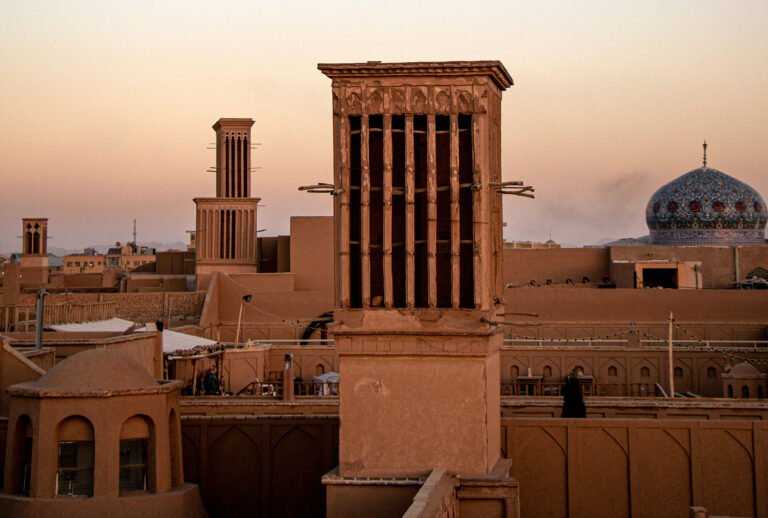
Windcatchers-Yazd
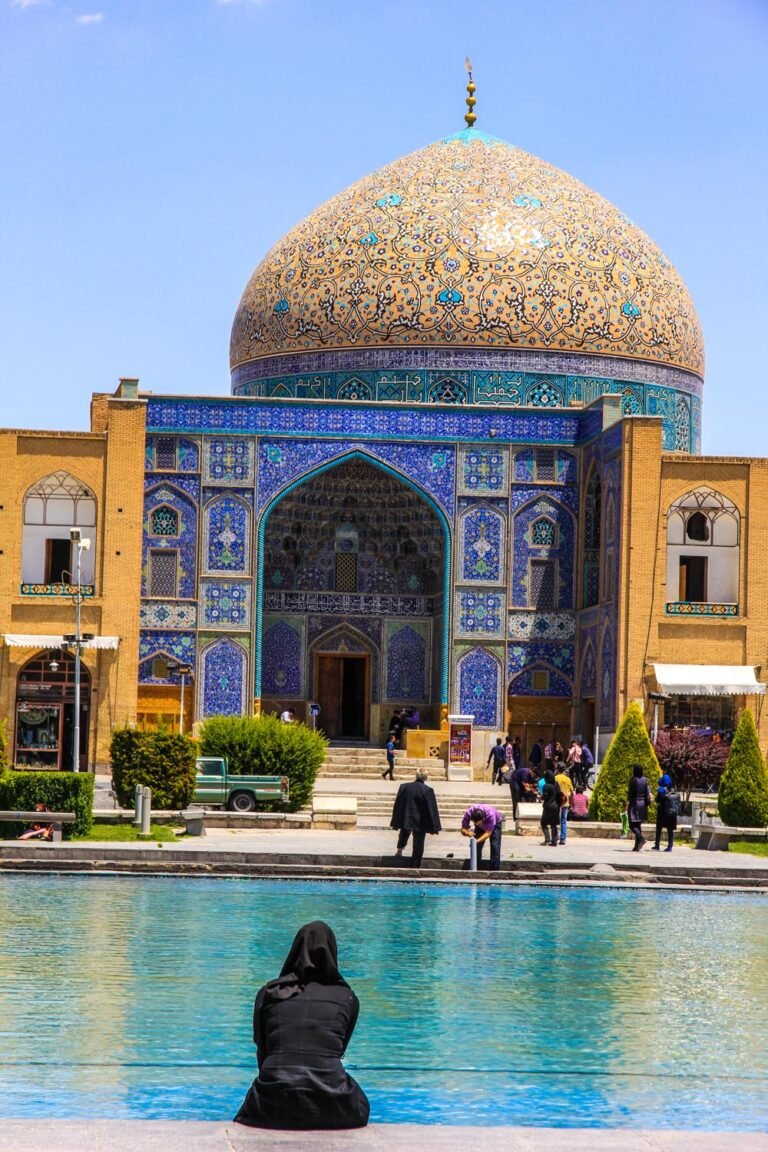
Esfahan_Sheikh_lotfollah
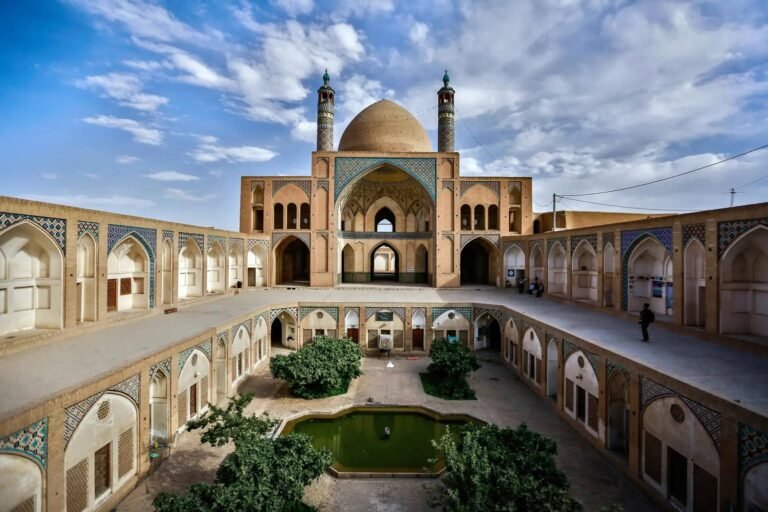
agha bozorg mosque kashan pardisan
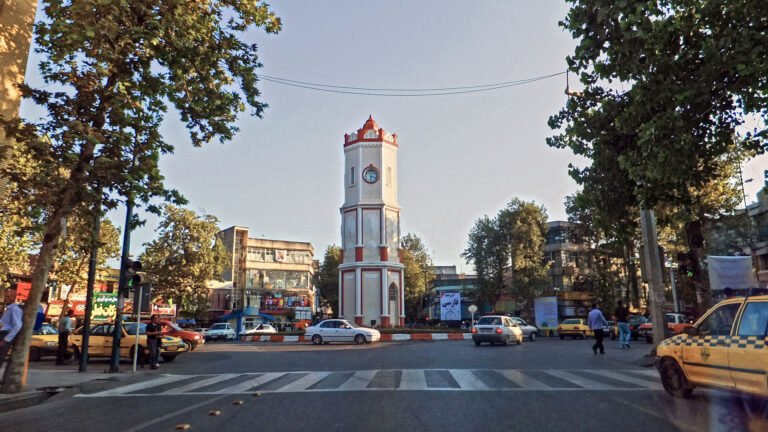
Tabriz-Clock

Frequently Asked Questions about Tehran

Tehran has several easy, city-based ways to get a Nature & Wildlife fix, especially along its greener northern edge. Start with Darband or Darakeh valley trails for a quick escape into mountain air, seasonal streams, and birdlife—go early on weekends to avoid crowds.

For a more park-focused outing, head to Jamshidieh Park for rocky paths and viewpoints, or Lavizan Forest Park for shaded walks and a calmer, local feel. If you want a longer, more “wild” day, plan a trip to the Tochal area; conditions can change quickly in the Alborz foothills, so check weather and trail status locally.

Practical tips: wear grippy shoes, bring layers, and carry water even for short hikes. Stick to marked paths, keep noise low for better wildlife spotting, and avoid feeding animals or leaving food scraps. If you’re going beyond popular paths, consider going with a local guide or experienced friend, and confirm access or any seasonal restrictions on arrival.

In Tehran, the most practical way to move between neighborhoods is to combine the metro for longer hops with taxis (or ride-hailing apps) for the “last mile.” Traffic can be heavy at many times of day, so rail can be the fastest option when your route aligns with a station.

The Tehran Metro is straightforward for major corridors, but stations can be large and transfers may take time—build in a buffer if you’re connecting lines. Keep small cash or a local payment option handy in case ticketing machines or kiosks aren’t convenient, and check signage on platforms to confirm direction before boarding.

For point-to-point trips, app-based rides are usually simpler than hailing on the street, especially if you don’t speak Persian or want an upfront route on your phone. If you take a classic street taxi, agree on the fare (or confirm the meter approach) before you set off, and have your destination written in Persian or pinned on a map.

If you’re visiting popular attractions like the Grand Bazaar or central museums, consider going early to avoid peak traffic and crowds. Conditions can change, so confirm any app availability, station access, and local rules on arrival.

Tehran is at its most comfortable for walking-heavy sightseeing in the milder seasons, when you can move between museums, bazaars, and neighborhoods without extreme heat or cold. Spring and autumn generally offer pleasant daytime temperatures and clearer views toward the Alborz Mountains, making them popular for first-time visitors.

Summer can be hot and hazy, so plan indoor anchors such as the National Museum of Iran, Golestan Palace museums, or contemporary galleries, then do outdoor stops early and late in the day. Winter brings colder weather and occasional air-quality swings; it can still be rewarding if you prioritize indoor attractions and keep your schedule flexible.

Whenever you go, build your plan around Tehran’s traffic patterns and potential air pollution. Check local air-quality reports and consider choosing accommodations near the museums and sights you most want to see, so you can adjust your day on short notice.

In Tehran, first-time visitors usually get the most value from a small mix of museums and a palace complex, rather than trying to “do everything.” Start with one strong overview museum for history and culture, then add an art-focused stop and a royal-era palace to balance context with visuals.

For a broad introduction, the National Museum of Iran is commonly treated as the cornerstone, especially if you want archaeological and historical grounding before other sights. Pair it with a more specialized museum based on your interests—contemporary art, carpets, or jewelry collections are popular choices—so you’re not repeating the same themes.

For architecture and gardens, many travelers prioritize Golestan Palace as an accessible, high-impact palace visit in central Tehran. If you’re short on time, aim for one palace complex and one museum in a day; if you have more time, add a second museum nearby to reduce time lost in traffic.

Because galleries, ticketing, and photo rules can vary by venue and season, it’s wise to confirm current entry procedures and any restricted areas on arrival or via the museum’s official channels.

In Tehran, choosing the right neighborhood can save you hours in traffic and make it easier to fit museums, bazaars, and cafés into the same day. Start by deciding whether you want classic sights, modern shopping and dining, or a quieter residential feel.

For first-time sightseeing, many travelers prefer central areas with straightforward access to major landmarks and the Grand Bazaar. Staying near large metro interchanges can also make day trips across the city simpler, especially if you plan to visit multiple museums and palaces in different districts.

If you’re prioritizing restaurants, galleries, and a more contemporary vibe, look at northern or north-central neighborhoods where evenings tend to be livelier and streets more walkable. These areas can feel calmer and greener, but you may trade off longer travel times to older historic sites.

Before booking, check how your accommodation handles late arrivals, ID requirements, and payment methods, which can vary. It’s also wise to confirm the exact address in Persian (or a map pin) to avoid confusion with similarly named streets.

From Tehran, the closest and most practical mountain day trips are usually toward the Alborz range—most commonly Darband or Darakeh for an easy half-day hike, or a longer outing toward Tochal if you want higher elevation and cooler air. Start early to avoid traffic and to give yourself a buffer for changing weather.

For a low-commitment hike, choose a well-trodden trailhead with plenty of people, clear signage, and places to rest; Darband is popular for its lively path and tea houses, while Darakeh tends to feel a bit quieter and more “walk-first.” Wear grippy shoes (paths can be rocky or slippery), carry water, and bring a light layer even in warm months.

If you’re aiming for higher elevation (including cable car access in the Tochal area), conditions can change quickly—wind and visibility are the main variables. Check local forecasts the morning you go, and ask at the base station or trailhead about current conditions and any access limitations.

Keep your plan simple: set a turnaround time, avoid hiking alone if possible, and save your offline map location. If you’re unsure about routes, hiring a local guide for a few hours can be a smart, low-stress option.

In Tehran, plan for a cash-first routine and treat card payments as a bonus rather than a certainty. Many everyday purchases (snacks, small shops, market stalls) are easiest with cash, while larger hotels and some modern businesses may be able to process payments.

Bring a mix of small and medium denominations so you can pay exact amounts in busy places like the Grand Bazaar or neighborhood cafés. For exchanging money, official exchange offices are typically the most straightforward option; ask your accommodation where reputable ones are nearby and keep receipts in case you need them.

Tipping in Tehran is generally modest and situational. Rounding up a fare, leaving a small amount for helpful service, or tipping hotel staff for assistance is usually appreciated, but it’s rarely handled with rigid rules—when in doubt, follow local cues and keep it discreet.

Before you go out for the day, set aside a “daily cash envelope” and keep the rest secure. If you’ll rely on a payment app or a specific merchant, confirm at the counter first to avoid awkward surprises at checkout.

Scroll to Top