f f f f f f f f f f f f f f f f f f
17°C
few clouds
0 Tours

Destinations of Iran

Yazd Uncovered

City Of Windcatchers And Sunbaked Silence

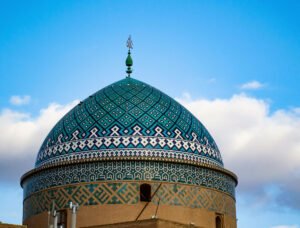
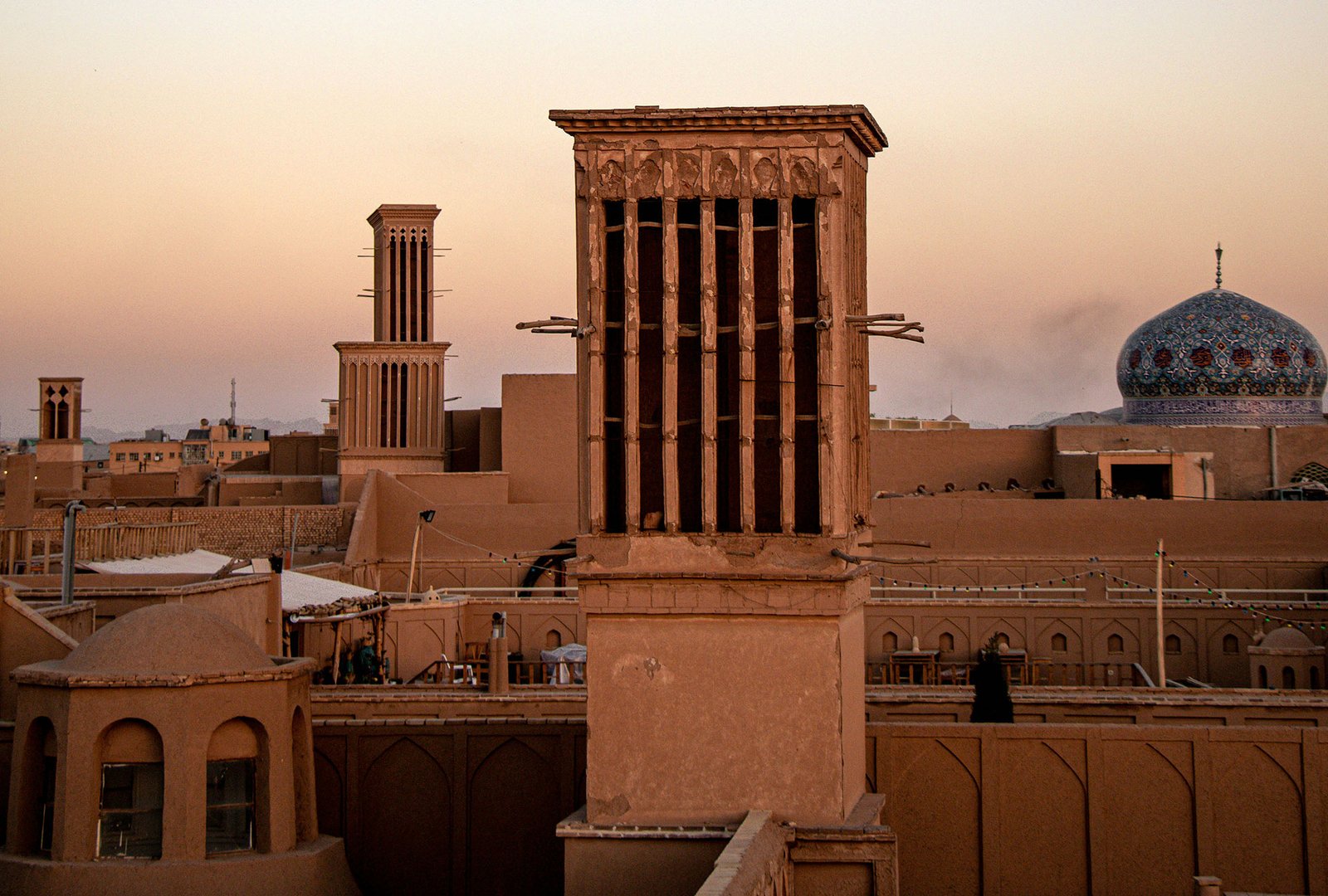
Yazd rises from the central Iranian plateau as a city shaped by sun, wind, and careful ingenuity. Its old quarters are a dense weave of adobe lanes, domed roofs, and tall windcatchers that draw cooler air into homes and water cisterns. In the dry light, mud-brick walls shift from honey to rose, and rooftops reveal a quiet skyline of vents, minarets, and courtyards.
Water has long defined life here: underground qanats once carried mountain runoff to gardens and neighborhoods, and many traditional houses were built around shaded central pools. Yazd is also closely associated with Zoroastrian heritage, with fire temples, towers of silence on nearby hills, and annual rituals that still mark the calendar. Alongside these older layers, the city’s bazaars, workshops, and tea houses keep everyday rhythms moving through the historic fabric.
Beyond the lanes, desert edges appear quickly—salt flats, low ridges, and wide skies that turn the evenings crisp. Yazd’s pace invites slow walking, listening for the call to prayer, the rustle of palm leaves, and the soft echo of footsteps under vaulted passages.

Yazd Highlights
  • Wander UNESCO-listed old town lanes, where mud-brick architecture glows at sunset.
  • Spot iconic windcatchers and learn how they cool homes naturally.
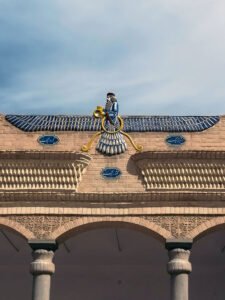
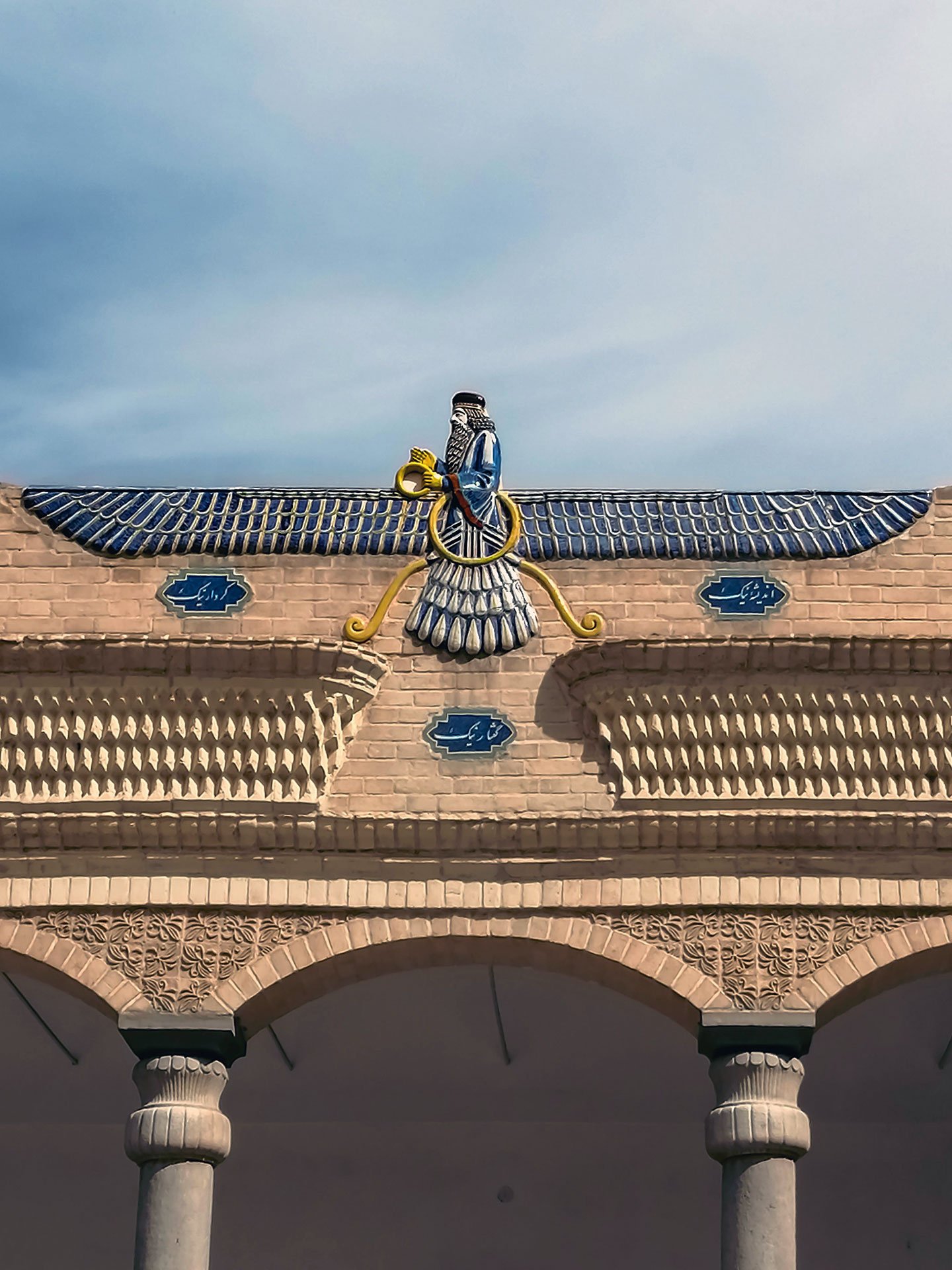
  • Visit Zoroastrian heritage sites, reflecting centuries of living traditions.
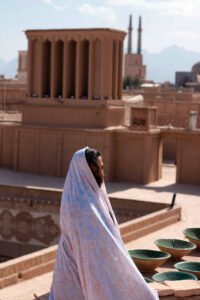
  • Climb to rooftop viewpoints for sweeping desert city panoramas.
  • Taste Yazd sweets like qottab and baklava, fragrant with rosewater.
  • Take a desert-edge excursion to see dunes, silence, and starry skies.
Best Time to Visit Yazd

For most travelers, the best time to visit Yazd is in spring and autumn, when days are generally mild and the desert air feels comfortable for wandering the old lanes, climbing to rooftops at sunset, and visiting nearby villages. These shoulder seasons balance clear skies with pleasant evenings, making long walks through the historic core especially rewarding.
Summer is typically hot and very dry, so sightseeing is easier early in the day and after dark, when the city’s courtyards and windcatchers come into their own. Winter brings cooler, sometimes brisk conditions; it can be a quiet, atmospheric time to explore, with crisp light and fewer crowds, though nights tend to feel noticeably colder.

How to Reach Yazd

Yazd sits in central Iran, and most travelers arrive by air, rail, or road. Yazd Airport connects the city to major domestic hubs, with onward transfers by taxi or pre-arranged car into town. Trains are a comfortable option from larger cities; the rail station is outside the historic core, so plan a short drive to your hotel or guesthouse. By road, intercity buses and private cars reach Yazd via well-maintained highways, and the approach through desert landscapes is part of the experience. If you’re coming from nearby destinations, a private transfer can be the simplest way to arrive directly at your door.

Desert Zoroastrian Heritage Quarter
Yazd is inscribed on UNESCO’s World Heritage List for its exceptionally well-preserved historic core, shaped by centuries of desert life and Zoroastrian influence. Its earthen architecture, labyrinthine lanes, and water-management traditions form a rare, living example of an Iranian desert...
Adobe Labyrinth of Courtyards
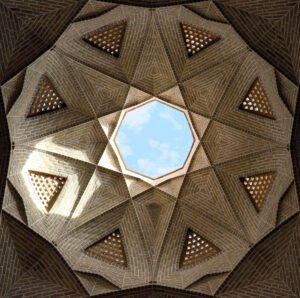
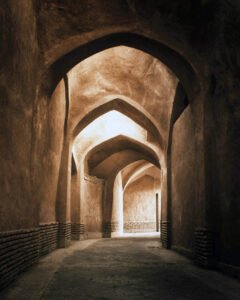
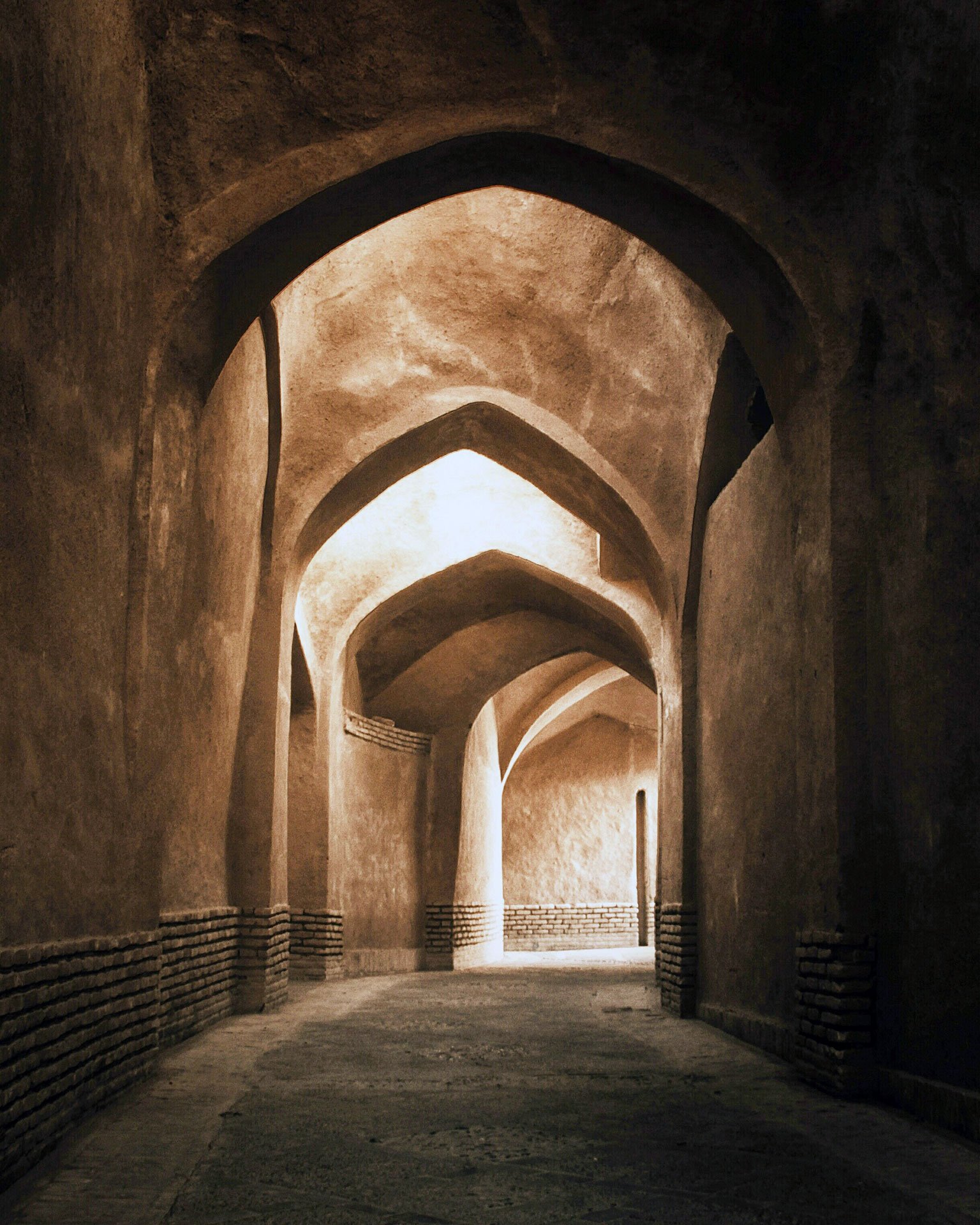
Yazd’s historic core is a dense maze of sun-dried mud-brick lanes and inward-looking courtyard houses shaped by desert climate and privacy. Thick walls, shaded alleys, and domed roofs create a cool, walkable urban fabric that has changed little over centuries.
City of Windcatchers
Yazd is often nicknamed the “City of Windcatchers” for its badgirs—tall ventilation towers that funnel breezes into homes and cisterns. This desert-adapted architecture, paired with mud-brick lanes and courtyards, makes the historic cityscape instantly recognizable.

Explore Yazd

yazd-jameh-mosque-5

Find Your Way Around Yazd

See all the key sights, landmarks, and hidden gems of Yazd pinned exactly where they are — making it easier to plan your route and explore like a local.

Signature Tours including Yazd

Keep Exploring

Discover Iran’s Most Beautiful Cities

Continue your adventure beyond Yazd with a selection of destinations that truly showcase the diversity and beauty of Iran. From historic cities and cultural capitals to mountain escapes and desert wonders, each destination brings its own rhythm, stories, and unforgettable experiences.
sari-3-pardisan
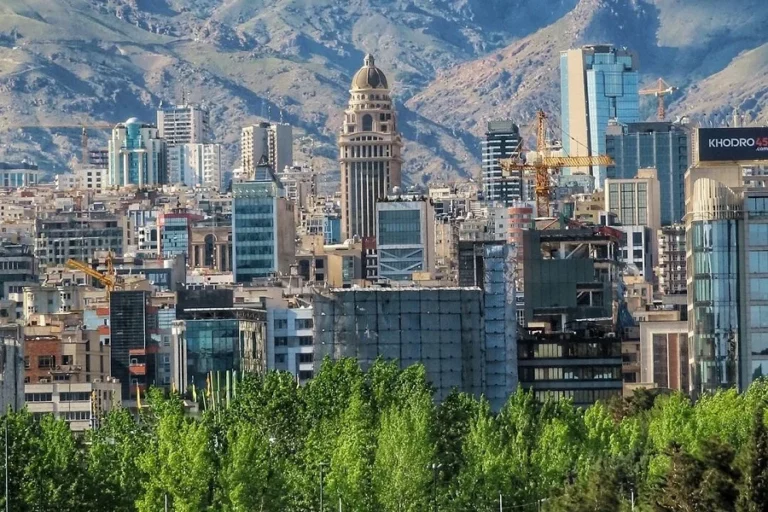
Tehran facing Alborz Mountains
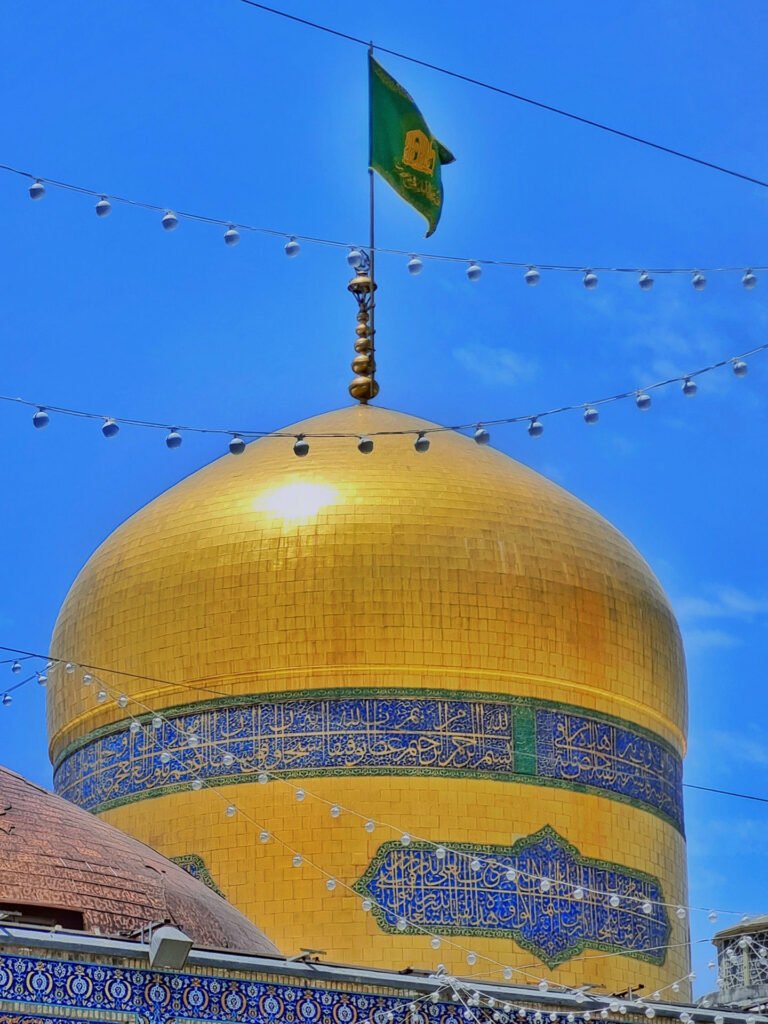
Imam-Reza-MAshhad
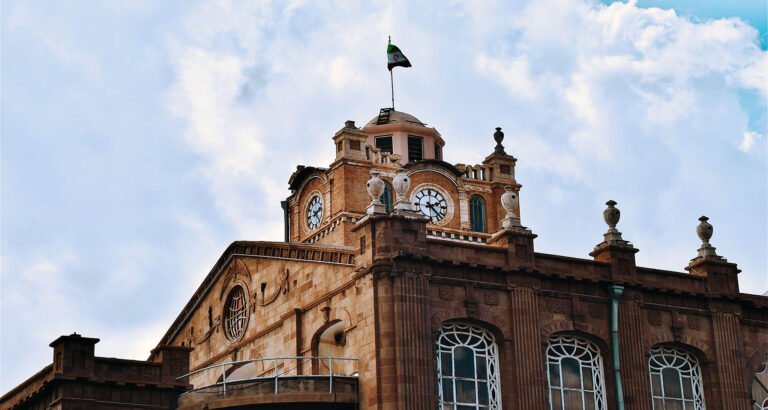
Tabriz-Clock
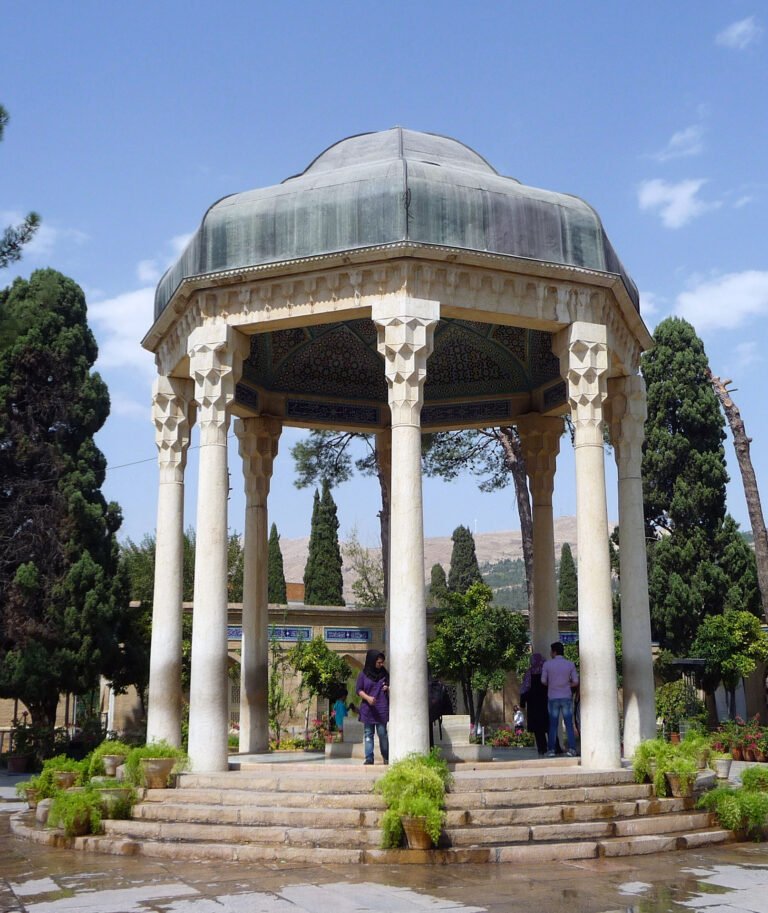
Hafez-Tomb
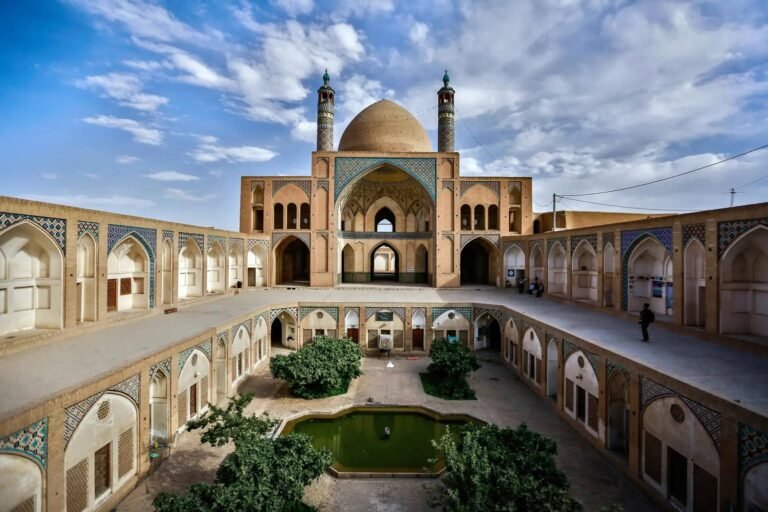
agha bozorg mosque kashan pardisan
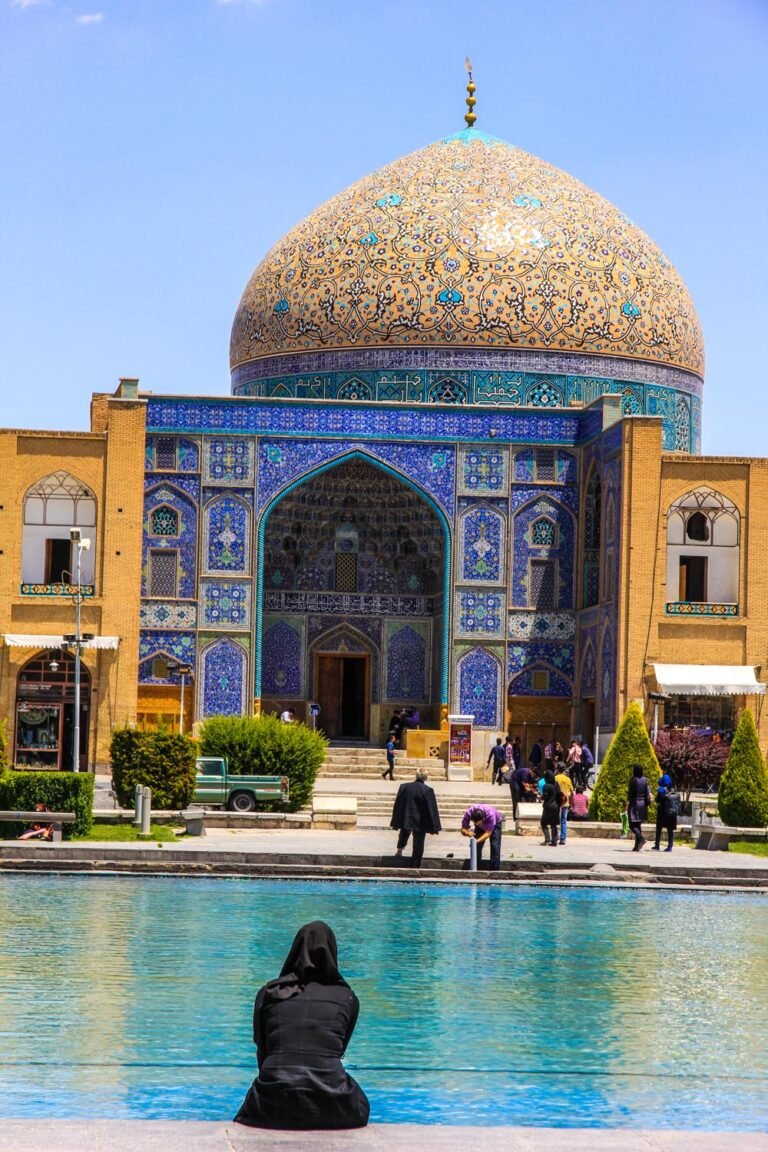
Esfahan_Sheikh_lotfollah

Frequently Asked Questions about Yazd

Yazd is one of Iran’s best-preserved historic cities, and a focused one-day plan can cover its most atmospheric cultural & historical sights. Start early in the old town to enjoy the adobe lanes before the heat and crowds build, and keep your route walkable to save time.

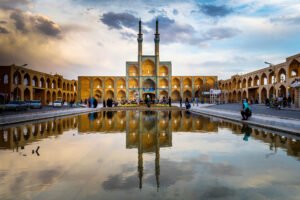
Begin with a loop through the historic neighborhoods and a traditional courtyard house-turned-museum or café, then head to the Amir Chakhmaq complex for its iconic façade and surrounding square. If you’re interested in Zoroastrian heritage, consider adding the Fire Temple and the Towers of Silence area; these are meaningful sites where quiet behavior and respectful photography are expected.

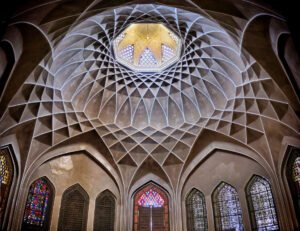
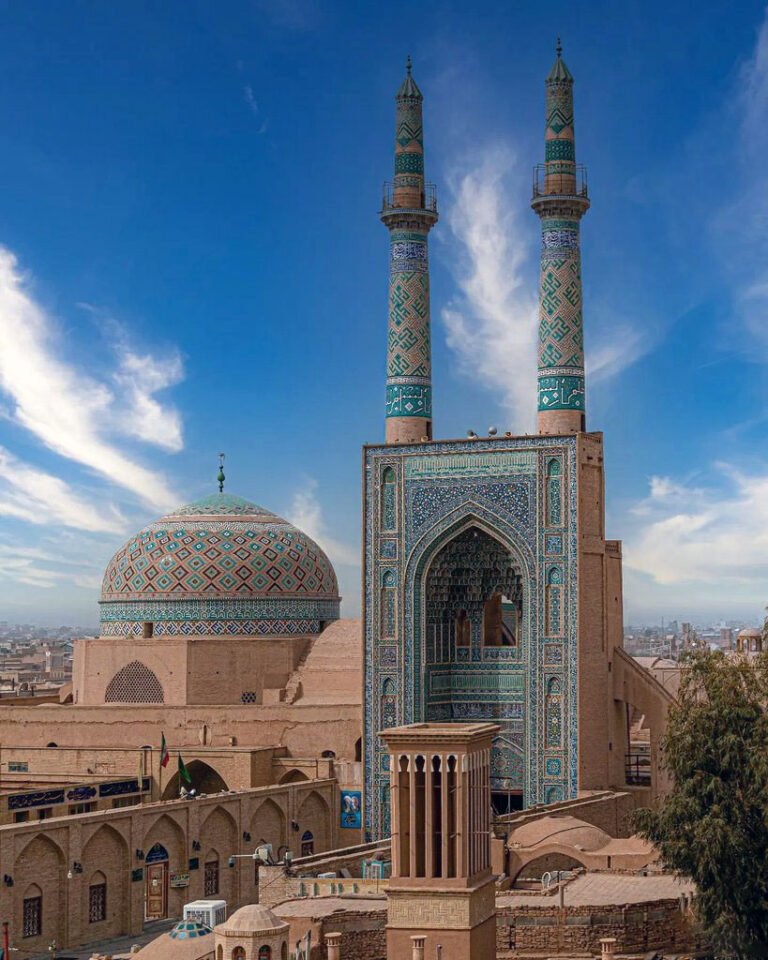
Midday is ideal for a slower pace: seek shade in a garden, teahouse, or a windcatcher-cooled interior, and plan a longer lunch break. In the late afternoon, visit the Jameh Mosque area for tilework and the old town’s skyline, then finish with rooftop views at sunset—many hotels and cafés offer terraces, but access policies can vary.

Practical tip: wear breathable clothing, carry water, and use a local guide if you want deeper context on architecture, qanat water systems, and neighborhood history. For any site-specific rules (entry, photography, or visiting times), confirm on the day locally.

In Yazd, a deeper cultural & historical visit usually means slowing down in the old city rather than trying to “collect” landmarks. Start by wandering the adobe lanes around Fahadan and similar historic quarters, where windcatchers, courtyards, and mud-brick walls explain the city’s desert architecture better than any museum label.

For Zoroastrian heritage, consider the Fire Temple and the Towers of Silence area (often visited with a driver or taxi). Treat these as living heritage sites: keep voices low, follow any posted guidance, and ask before photographing people or ritual spaces.

To understand Yazd’s Islamic-era history, pair a major mosque with a traditional bazaar and a historic water infrastructure stop (like an ab anbar/cistern or qanat-related exhibit). The combination shows how faith, trade, and engineering shaped daily life in a harsh climate.

Practical tip: go early or late to enjoy softer light and cooler temperatures, and plan short breaks in tea houses or courtyard cafés. If you’re visiting during holidays or prayer times, confirm access on arrival, as some areas may be restricted temporarily.

Scroll to Top